America’s Oldest Weather Sayings—Do They Still Work?

From red skies at sunset to halos around the Moon, discover which time-honored weather proverbs still have science on their side.
For 250 years, Americans have relied on more than just forecasts to prepare for changing weather. Long before weather radar, satellites, or smartphone apps, people watched the sky, studied the clouds, observed animals, and listened to wisdom passed down through generations.
These old weather sayings became trusted companions on farms, at sea, and in small towns across the country. Some originated long before the United States was founded, while others became part of early American life as settlers learned to read nature’s signs.
As our nation celebrates its 250th anniversary, we’re revisiting some of America’s best-known weather proverbs—and exploring whether modern science says they’re still worth believing.
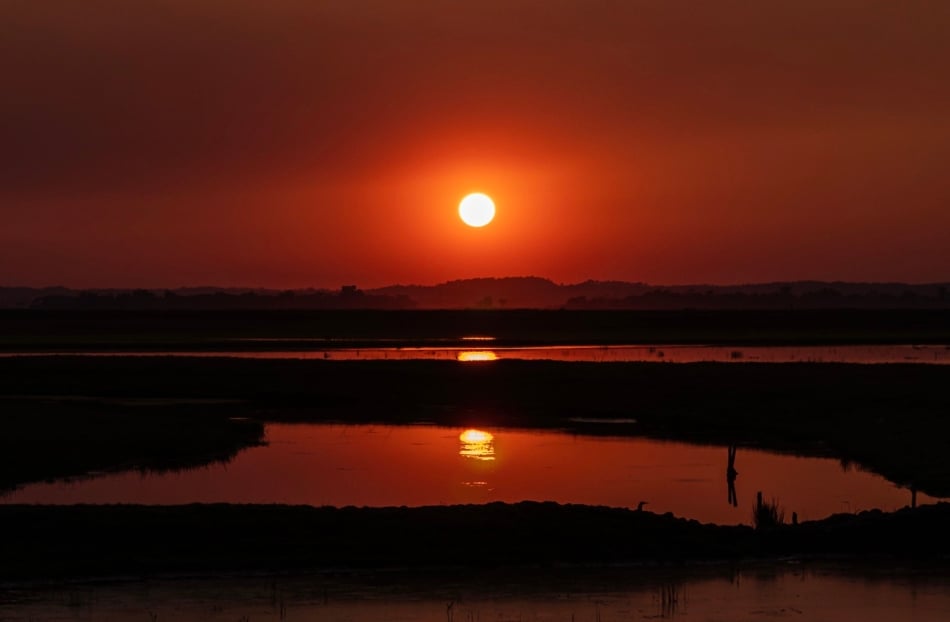
🌅 “Red Sky at Night, Sailor’s Delight”
“Red sky at night, sailor’s delight. Red sky in morning, sailors take warning.”
Few weather sayings are as well known—or as dependable.
Across much of North America, weather systems generally travel from west to east. When the setting sun paints the western sky brilliant shades of red, it’s often shining through dry, stable air after a storm has moved away. That’s usually a sign of fair weather ahead.
A fiery sunrise, however, may illuminate moisture and clouds approaching from the west—an early hint that unsettled weather could be on its way.
🌾 Farmers’ Almanac Verdict: Mostly True
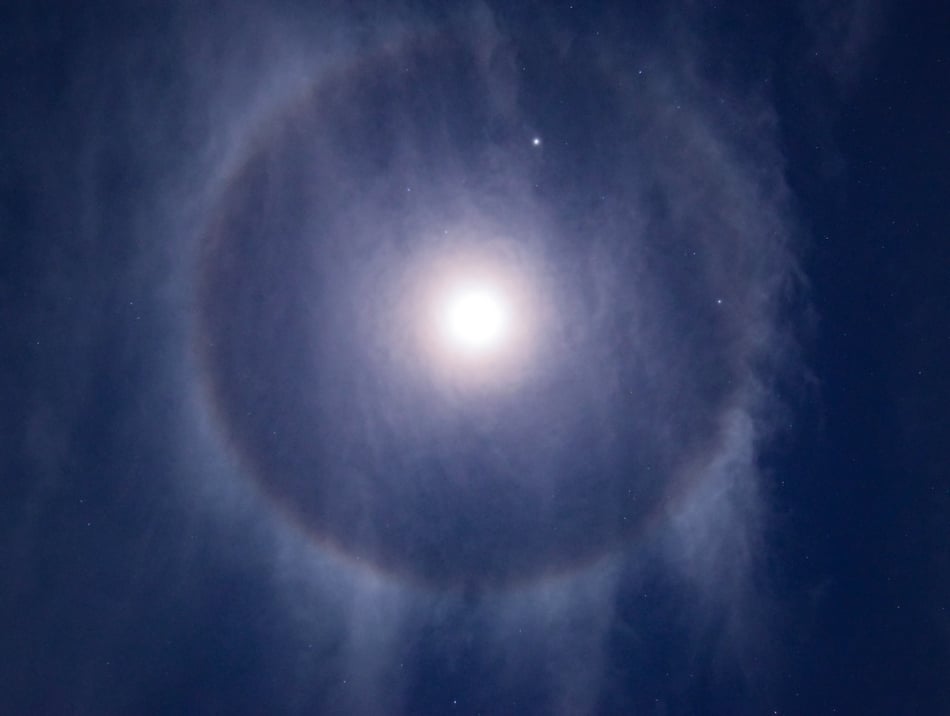
🌕 “Ring Around the Moon, Rain or Snow Soon”
Have you ever noticed a glowing circle surrounding the Moon?
This beautiful halo forms when moonlight passes through millions of tiny ice crystals in high cirrostratus clouds. Those clouds frequently develop a day or two before an approaching storm system.
While a lunar halo isn’t a guarantee of rain or snow, it has earned its reputation as one of nature’s most reliable early warnings.
🌾 Farmers’ Almanac Verdict: Often True
🍃 “When Leaves Show Their Undersides, Rain Is Near”
Old-time farmers knew to keep an eye on the trees.
Before a storm arrives, increasing humidity and gusty winds can cause the leaves of maple, poplar, and other broadleaf trees to flip over, revealing their pale undersides.
It’s a subtle sign—but one many gardeners still notice today.
🌾 Farmers’ Almanac Verdict: Usually True
🐜 “High Ant Hills in July Mean a Hard Winter”
This bit of country wisdom has been shared around American farms for generations.
The belief is that ants build unusually tall mounds during the summer because they’re preparing for a long, snowy winter.
While ants are certainly excellent engineers, scientists have found little evidence that they can predict weather months in advance. Their mound-building appears to depend more on soil conditions and colony needs than on the coming season.
Still, it’s one of those delightful traditions that reminds us to pay attention to the natural world.
🌾 Farmers’ Almanac Verdict: Mostly Folklore
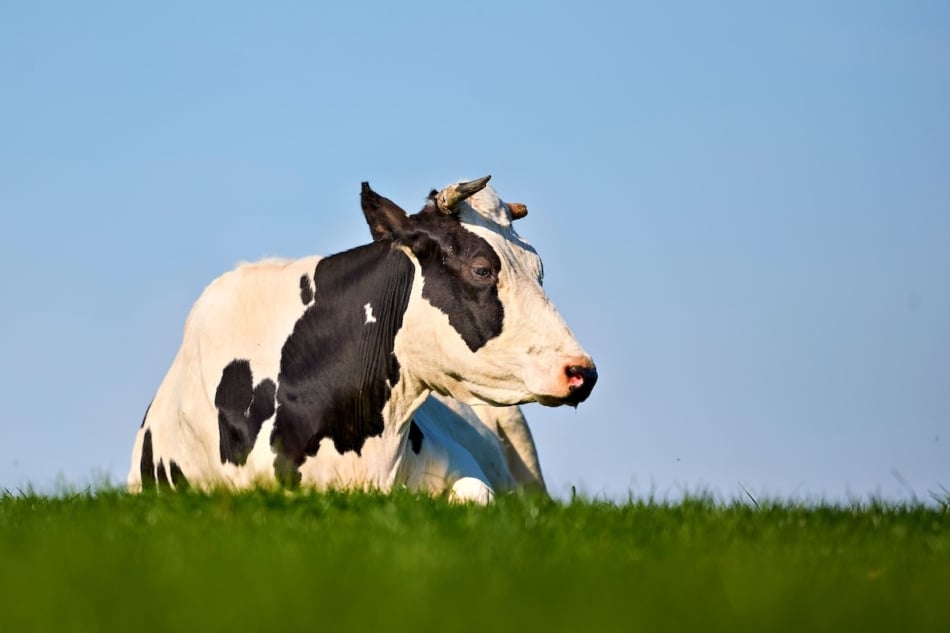
🐄 “Cows Lying Down Mean Rain”
Many country folks swear this one is true.
The reality is a bit more complicated.
Cows lie down to rest, chew their cud, or simply get comfortable. Some researchers believe changes in humidity or air pressure may influence their behavior, but there’s no strong evidence that cattle are reliable weather forecasters.
Related: Why the Saying “When Cows Are Lying Down, Rain Is Coming” Is Surprisingly Accurate
🌈 “A Rainbow in the Morning Is the Shepherd’s Warning”
“A rainbow in the morning is the shepherd’s warning; a rainbow at night is the shepherd’s delight.”
Like the famous red-sky saying, this proverb is based on the usual movement of weather systems across much of the United States.
A morning rainbow often appears because rain is falling to the west while the rising sun shines from the east. Since storms typically move eastward, that rain may soon arrive where you are.
An evening rainbow usually means the rain is moving away.
🌾 Farmers’ Almanac Verdict: Frequently True
☁️ “Mare’s Tails and Mackerel Scales Make Tall Ships Carry Low Sails”
This old sailor’s rhyme refers to two familiar cloud types.
“Mare’s tails” are wispy cirrus clouds.
“Mackerel scales” are rippled altocumulus clouds.
Together, they often signal that a low-pressure system is approaching, bringing increasing winds and a greater chance of rain.
Even today, meteorologists recognize these cloud patterns as excellent indicators that the weather is changing.
🌾 Farmers’ Almanac Verdict: One of the Best
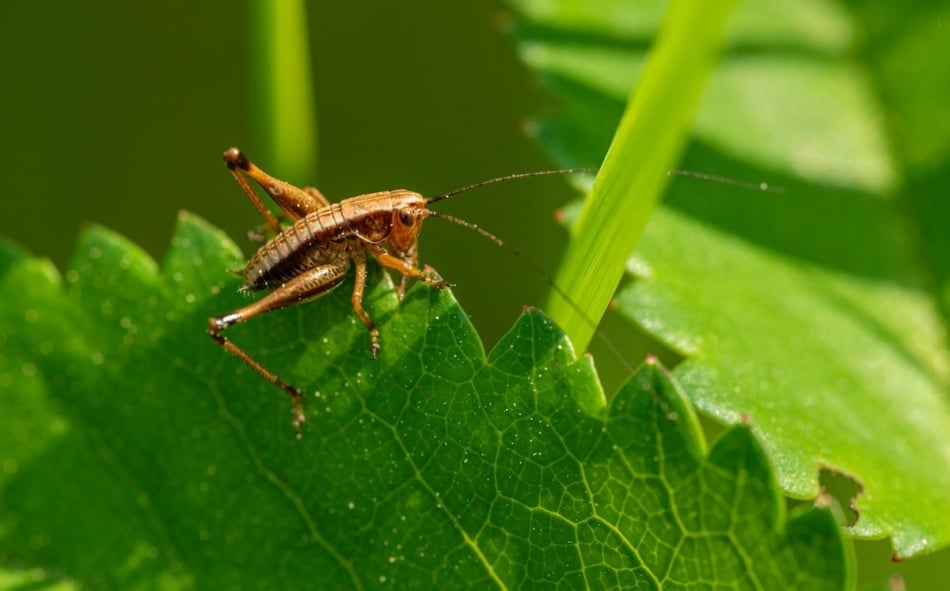
🦗 Crickets Can Tell You the Temperature
Not every weather saying is simply folklore.
As temperatures rise, crickets chirp faster because their metabolism speeds up. In fact, scientists have developed formulas—known as Dolbear’s Law—that allow you to estimate the outdoor temperature by counting cricket chirps.
Nature is sometimes an excellent meteorologist.
🌾 Farmers’ Almanac Verdict: Scientifically Proven
Why Weather Lore Still Matters
Long before forecasts appeared on television or phones, observing nature wasn’t just a pastime—it was a practical skill.
Farmers watched the clouds before cutting hay. Sailors read the sky before leaving harbor. Families looked for signs that told them whether to expect sunshine or storms.
Modern forecasting tools are remarkably accurate, but many traditional weather sayings remain rooted in real atmospheric patterns that anyone can observe.
Perhaps that’s why they’ve endured for centuries. They encourage us to slow down, step outside, and notice the world around us—just as generations of Americans have done since before the nation’s founding.
As we celebrate America’s 250th birthday, these timeless weather proverbs remind us that some of our oldest traditions are also among our most enduring.
🌤️ What’s Your Favorite Weather Saying?
Do you have a weather proverb that has been passed down through your family?
Share it in the comments below—we’d love to hear the old sayings you’ve grown up with!

- Tim Konrad

- Tim Konrad
- Tim Konrad
- Tim Konrad