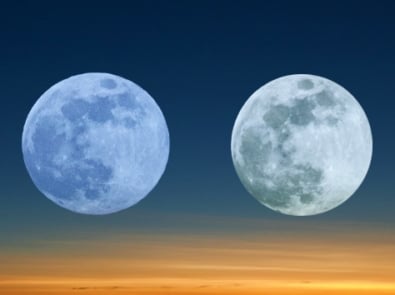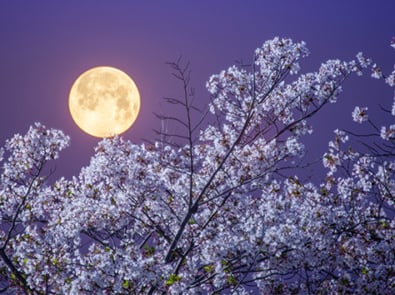
As cooler breezes blow, trees burst with fiery colors, and nights get longer, you may ask yourself, “What great things may come with this new season?” Occurring one week after the equinox, September’s Full Harvest Moon will be the first full Moon of fall, the fourth supermoon in a row, and the last supermoon of
The September night sky (September 2023) will have many stargazing highlights including great opportunities to spot many bright stars, beautiful telescopic views of Saturn, and last but certainly not least: the famous Full Harvest Moon! This year’s Harvest Moon will be the fourth and final supermoon of 2023. All the details you need are here
Ever experienced a UFO sighting? New information about unidentified flying objects or unidentified arial phenomena (UAPs) may be making you wonder! But before you call the local authorities be sure to review the list below and put your mind at ease! Bright planets, strange clouds, and aircraft lights can look otherworldly at times! As it
Quick Reference: 2026 Full Moon Calendar Wolf Moon: Saturday, January 3, 2026, Moon in Cancer (read Wolf Moon horoscope) Snow Moon: Sunday, February 1, 2026, Moon in Leo (read Snow Moon horoscope) Worm Moon: Tuesday, March 3, 2026, Moon in Virgo (read Worm Moon horoscope) Pink Moon: Wednesday, April 1, 2026, Moon in Libra (read
July’s night sky highlights include the full Buck Moon, your last chance to see Mars for quite some time, and an opportunity to catch a shooting star or three! Learn everything you need to know about the night sky in our calendar of sky events here. By the way, do you have your “star binoculars”
Hey FA Readers! Many of you who follow our monthly Night Sky Guides asked about the discovery of a new supernova, so we consulted expert astronomer Dean Regas to answer some of your frequently asked questions. Learn about supernovae, particularly the recent discovery (named SN 2023ixf) and how you can see it! Dean also clarifies
June’s night sky highlights include the Full Strawberry Moon and many opportunities to spot the brightest planet, Venus, as it approaches maximum brightness for the year (around the Fourth of July). Look west after sunset! There is also a fun gathering of Mars, Venus, and a crescent Moon on June 21 that we are calling the Summer
Quick Reference: The Next New Moon Next new Moon: Sunday, June 14, 2026 at 10:54 p.m. EDT (7:54 p.m. PDT, 02:54 UTC on June 15) Traditional name: New Strawberry Moon Following new Moon: Tuesday, July 14, 2026 at 5:44 a.m. EDT How often: Roughly every 29.5 days (one lunar month or “moonth”) Why you cannot
May’s night sky brings the Full Flower Moon, a lunar eclipse, and opportunities to witness some of the brightest stars in the sky. Look southeast for Arcturus in “The Spring Triangle” and west for Venus shining after sunset, especially towards the end of the month when she will be accompanied by the crescent Moon. Learn
People often ask, “What’s the best way to get started in astronomy?” We recommend looking for the most brilliant, easiest to find stars. Here is a list of the 10 brightest stars in the sky that you can see at night no matter where you are in the Northern Hemisphere, whether you’re out in the