Can You Balance an Egg on the Fall Equinox? The Seasonal Egg-Balancing Explained
Can you really balance an egg only on the fall equinox? Discover the surprising truth behind the famous equinox egg-balancing myth and try it yourself.

Can you really balance an egg on the fall equinox?
Every September, as the first day of fall approaches, an old claim begins making the rounds again:
Stand a raw egg on its end during the autumnal equinox, and it will mysteriously balance upright.
According to the legend, Earth’s position relative to the Sun creates a special gravitational balance on the equinox that makes this otherwise impossible trick work.
There’s just one problem.
The egg trick really does work—but the fall equinox has nothing to do with it.
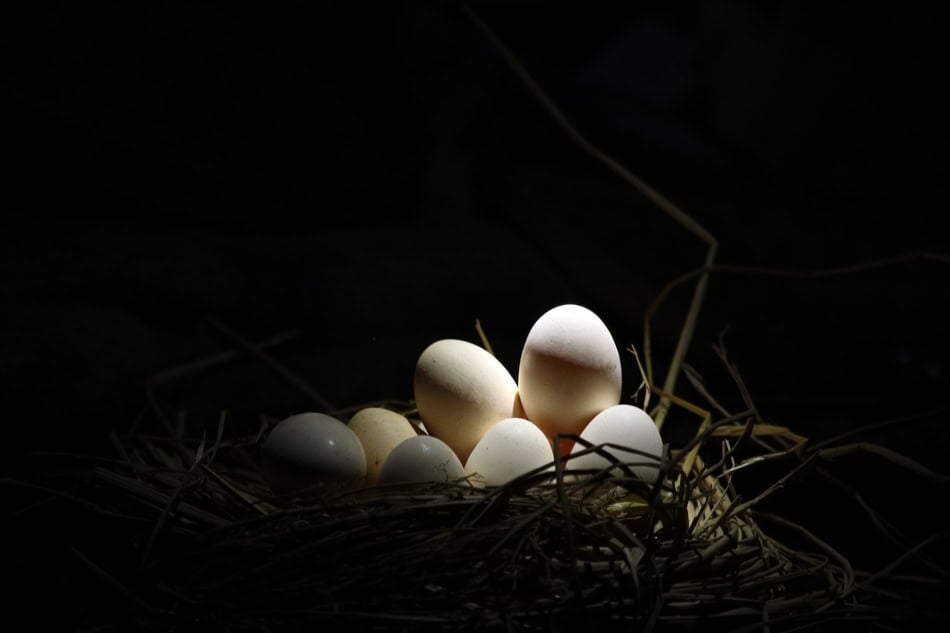
With the right egg, a reasonably flat surface, a steady hand, and a little patience, you can balance an egg on its end on September 22, Christmas morning, the Fourth of July—or just about any other day of the year.
Still, don’t put the eggs back in the refrigerator just yet.
The old equinox tradition is worth trying, and the story of how eggs became associated with the changing seasons is almost as interesting as the trick itself.
Quick Answer: Can You Balance an Egg on the Fall Equinox?
Yes. But you can balance an egg on other days, too.
There is no special gravitational force created during the autumnal equinox that makes eggs easier to balance.
Egg balancing comes down mainly to:
- The shape of the egg
- Tiny bumps and imperfections in its shell
- The surface underneath it
- Finding a stable center of gravity
- Patience
So go ahead and try it on the equinox.
Then leave the egg out and try again the next morning.
You may be surprised.
When Is the Fall Equinox in 2026?
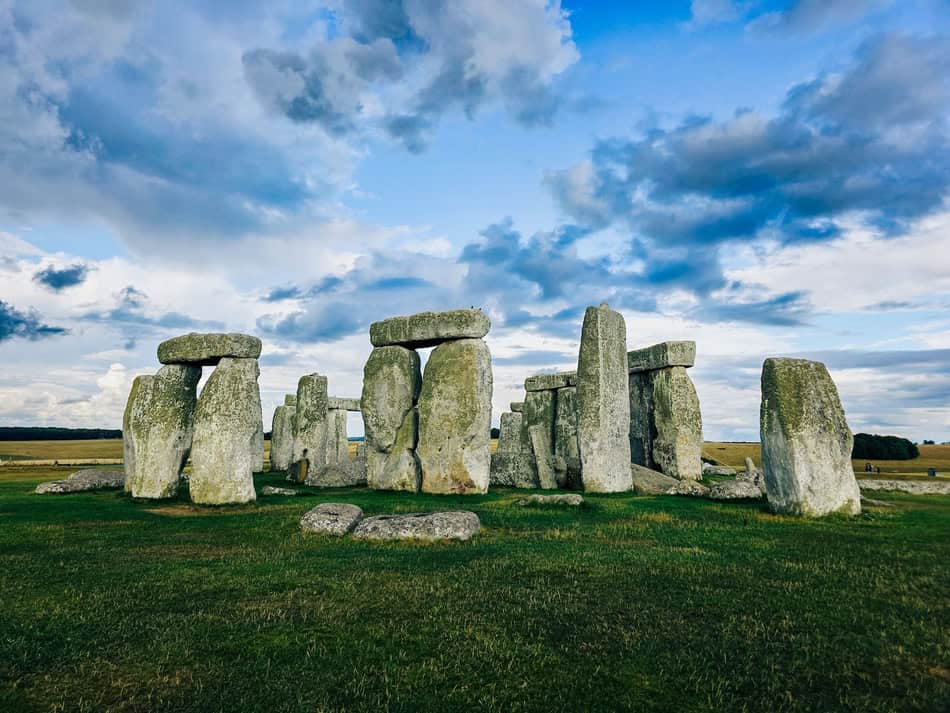
This year’s autumnal equinox occurs Tuesday, September 22, 2026, at 8:05 p.m. EDT.
At that precise moment, the Sun crosses the celestial equator heading south, marking the beginning of astronomical fall in the Northern Hemisphere.
For everything happening at the seasonal change, see our complete guide to the Fall Equinox 2026 and the First Day of Fall.
You can also learn more about the difference between an equinox and a solstice.
Fall Equinox 2026 At a Glance
- Date: Tuesday, September 22, 2026
- Time: 8:05 p.m. EDT
- Season: Beginning of astronomical fall in the Northern Hemisphere
- What’s happening: The Sun crosses the celestial equator from north to south
- Can you balance an egg? Yes
- Can you balance one September 23? Also yes
Why Do People Balance Eggs on the Equinox?
The egg-balancing custom has been circulating for generations, although its origins are more complicated than the modern version of the story suggests.
Egg-balancing traditions are often linked to China, where balancing eggs has long been associated with seasonal observances and particularly Li Chun, the traditional beginning of spring.
Reports of Chinese egg balancing reached a much wider American audience during the 20th century. By the mid-1900s, the practice had become associated in the United States with the spring equinox, and eventually both the spring and fall equinoxes became tied to claims about unusual gravitational forces.
The story had everything a good piece of folklore needs:
A dramatic astronomical event.
A common household object.
A mysterious force of nature.
And an experiment anyone could try at home.
It’s easy to understand why the idea survived.
Does Gravity Change During the Fall Equinox?
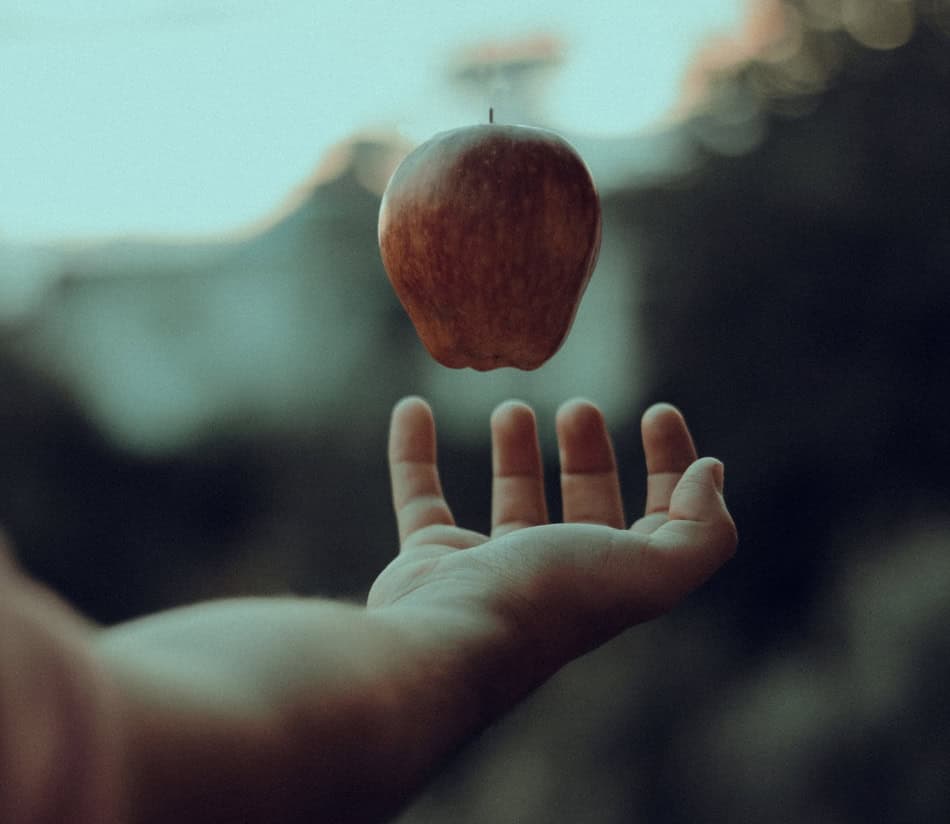
Not in any way that makes your breakfast stand upright.
The equinox is significant because of Earth’s orientation relative to the Sun, not because gravity suddenly reaches some unusual state of equilibrium.
Earth is tilted approximately 23.5 degrees on its axis. As our planet travels around the Sun, that tilt produces our seasons.
During the September equinox, the Sun is positioned directly over Earth’s equator, and sunlight is distributed almost equally between the Northern and Southern Hemispheres. NASA explains that the equinox marks an important point in Earth’s annual journey around the Sun—but not a temporary suspension or balancing of gravitational forces.
In other words:
There is no astronomical “sweet spot” on September 22 that holds an egg upright.
And the Moon isn’t helping, either.
So Why Can an Egg Balance?
Take a close look at an eggshell.
It may look smooth from across the kitchen, but its surface contains countless microscopic bumps, pores, and irregularities.
Those tiny imperfections are important.
When you carefully move the wide end of an egg against a firm surface, you can sometimes find several tiny contact points capable of supporting it.
The trick is getting the egg’s center of mass directly above that little base of support.
Once you find the right position, the egg stays upright.
That’s physics.
Not equinox magic.
Astronomy program StarDate has also tested the familiar claim and notes that eggs can be balanced throughout the year; a slightly rough shell and surface can make the feat easier.
Try the Farmers’ Almanac Equinox Egg Challenge
Here’s the fun part.
Don’t just take our word for it.
Try it yourself.
What You’ll Need
- 3 or 4 raw eggs
- A hard, level table or countertop
- A little patience
- A phone to take a photo when you succeed
How To Balance an Egg
1. Choose the right egg.
Look for an egg with a slightly broad, relatively flat bottom. Different eggs have different shapes, and some are considerably easier to balance than others.
2. Use a hard, flat surface.
A wooden table, countertop, or other firm surface works well.
3. Place the wide end down.
Balancing an egg on its narrow point is much more difficult. Start with its broader end.
4. Hold it lightly with your fingertips.
Slowly adjust the angle while reducing the amount of pressure you’re applying.
5. Feel for a stable point.
Move the egg by tiny amounts until it seems to “settle.”
6. Slowly remove your fingers.
If it falls, try again.
It may take 30 seconds.
It may take five minutes.
But once you get one standing, you’ll understand why generations of people have been fascinated by the trick.
Here’s an Even Better Experiment
Want to actually test the equinox legend?
Don’t perform the experiment just once.
Try balancing the same egg on three consecutive days:
| Date | Experiment |
|---|---|
| September 21 | Try to balance the egg |
| September 22 – Fall Equinox | Try again |
| September 23 | Try one more time |
Use the same surface each day.
If possible, use the same egg.
Time yourself.
You’ll likely discover that September 22 isn’t especially different from the days before or after it.
That makes this a great simple science experiment to try with children or grandchildren.
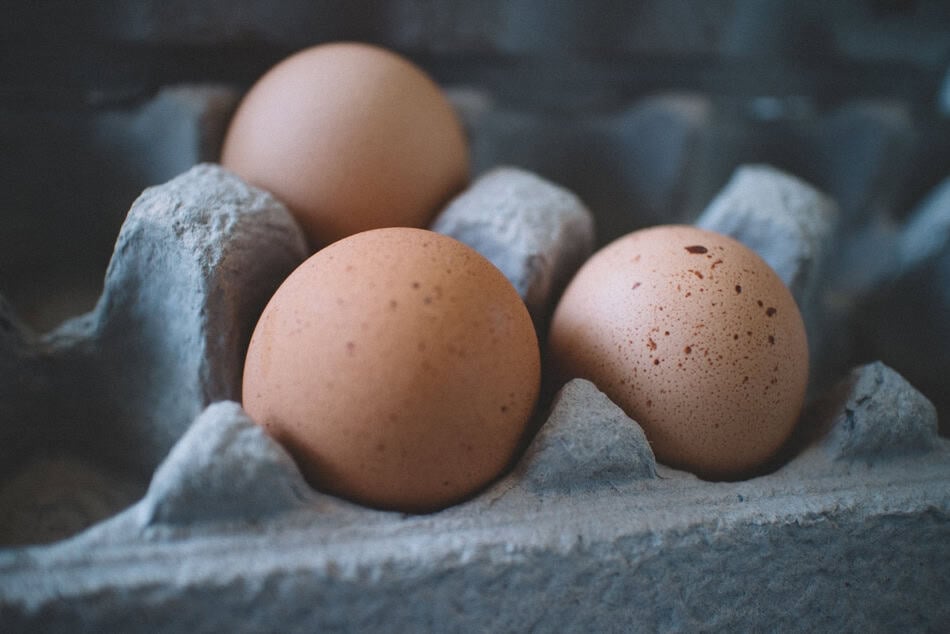
Can You Balance an Egg at the Exact Moment of the Equinox?
Absolutely.
At 8:05 p.m. EDT on September 22, 2026, you can put an egg on your kitchen table and attempt to balance it at the precise moment astronomical fall begins.
Just don’t expect the egg to suddenly become easier to balance at 8:05.
If you’re holding it at 8:04 p.m. and can’t get it to stand, the universe isn’t going to suddenly straighten it out a minute later.
And if it’s standing at 8:06?
You haven’t missed your chance.
Is Day and Night Exactly Equal on the Fall Equinox?
Here’s another equinox myth hiding in plain sight.
The word equinox comes from Latin roots associated with “equal night,” so it’s often said that every location on Earth receives exactly 12 hours of daylight and 12 hours of darkness.
That’s not quite true.
The equinox brings us close to equal day and night, but atmospheric refraction bends sunlight around Earth’s horizon. Sunrise and sunset are also measured using the upper edge of the Sun rather than its center.
Together, those effects give most locations slightly more than 12 hours of daylight on the actual equinox. NASA and NOAA both note that the date of truly equal daylight and darkness depends upon latitude and doesn’t necessarily fall on the equinox itself.
That day is sometimes called the equilux.

What Really Happens on the Fall Equinox?
The astronomy is actually more remarkable than the myth.
On the September equinox, Earth’s position in its orbit results in the Sun crossing the celestial equator, an imaginary extension of Earth’s equator into the sky.
From this point onward in the Northern Hemisphere:
- Nights become longer than days.
- Sunrise continues arriving later.
- Sunset continues arriving earlier.
- The Sun appears progressively lower in the midday sky.
- The Northern Hemisphere moves toward the winter solstice.
Meanwhile, the opposite is happening south of the equator, where the September equinox marks the beginning of spring.
You can see all of this year’s astronomical milestones in the Farmers’ Almanac guide to the 2026 seasons, equinoxes, and solstices.
And for more things happening in the sky and natural world this month, see What’s Happening in September 2026.
What About Balancing a Broom on the Equinox?
The egg isn’t alone.
Every few years, another version of the same legend goes viral:
You can supposedly stand a broom upright only during an equinox because of a special gravitational alignment.
That’s a myth, too.
Many modern brooms can stand upright because their bristles spread out to create a broad and stable base.
Try it in September.
Then try it again in December.
The broom doesn’t know which season it is.
We tackle that and several related legends in our guide to spring equinox myths and what’s actually true.
Why Do Equinox Myths Last So Long?
Perhaps because they’re fun.
Humans have observed solstices and equinoxes for thousands of years. Long before modern clocks and calendars, changes in the Sun’s position helped people track planting seasons, harvests, migrations, and the approach of winter.
So major seasonal turning points naturally accumulated:
- Customs
- Celebrations
- Superstitions
- Weather lore
- Folklore
The egg-balancing story survives because it gives us something tangible to do on an otherwise invisible astronomical moment.
You can’t see Earth cross an imaginary line in space from your kitchen.
But you can try to stand an egg upright.
And that’s probably part of the reason people keep doing it.
There’s Nothing Wrong With Keeping the Tradition
Calling the egg-balancing claim a myth doesn’t mean we need to abandon it.
Far from it.
Try it on September 22.
Get the children involved.
See who can balance an egg first.
Take a picture.
Just remember what you’re actually demonstrating.
You’re not detecting a mysterious shift in Earth’s gravity.
You’re demonstrating balance, friction, center of mass—and patience.
And sometimes a little folklore makes science more fun.
Fall Equinox Egg Balancing: Frequently Asked Questions
Can you balance an egg on the fall equinox?
Yes. An egg can be balanced on its broad end during the fall equinox, provided you find a stable position.
Can you only balance an egg on the equinox?
No. You can balance an egg on any day of the year. The spring and fall equinoxes do not create a special gravitational condition that makes egg balancing possible.
Why do eggs balance on the equinox?
They don’t balance because of the equinox. An egg balances when its center of mass is positioned over a sufficiently stable set of contact points between its shell and the surface underneath it.
Does gravity change on the equinox?
There is no special change in gravity on an equinox capable of making an egg balance. The equinox concerns Earth’s orientation and position relative to the Sun.
When is the fall equinox in 2026?
The fall equinox is Tuesday, September 22, 2026, at 8:05 p.m. EDT in the United States.
Is the fall equinox the first day of fall?
Yes, the September equinox marks the first day of astronomical fall in the Northern Hemisphere. Meteorological fall begins earlier, on September 1.
Are day and night exactly 12 hours on the equinox?
Not usually. Atmospheric refraction and the way sunrise and sunset are defined generally make daylight slightly longer than 12 hours on the equinox.
The Bottom Line
Can you balance an egg on the fall equinox?
Yes.
Can you balance one only on the fall equinox?
No.
The September equinox doesn’t produce a mysterious gravitational force, cosmic alignment, or temporary balance that causes eggs to stand upright.
The real explanation is much simpler:
Find the right egg, the right spot, and hold your hand very still.
But don’t let the science spoil the tradition.
When the fall equinox arrives on September 22, 2026, grab an egg and give it a try.
Then try again on September 23.
That’s where the real fun begins.


- Farmers' Almanac Staff

- Farmers' Almanac Staff
- Farmers' Almanac Staff
- Farmers' Almanac Staff