
Is Your Dog Suddenly Shedding Everywhere? Fall May Be the Reason

There’s a point every fall when it seems as if the dog is quietly taking over the house.
Hair collects along the baseboards. The couch needs vacuuming again. You brush your dog and somehow remove enough fur to make another dog, only to find a fresh layer on your black pants ten minutes later.
For many dogs, that sudden explosion of fur is perfectly normal. Fall is one of the heaviest shedding periods of the year, especially for breeds with thick double coats. According to the American Kennel Club, seasonal shedders tend to lose the most hair in spring and fall as their coats adjust to the changing season.
The strange part is that your dog isn’t simply “growing more fur” for winter. First, some of the old coat has to go.
Why Dogs Shed So Much in Fall
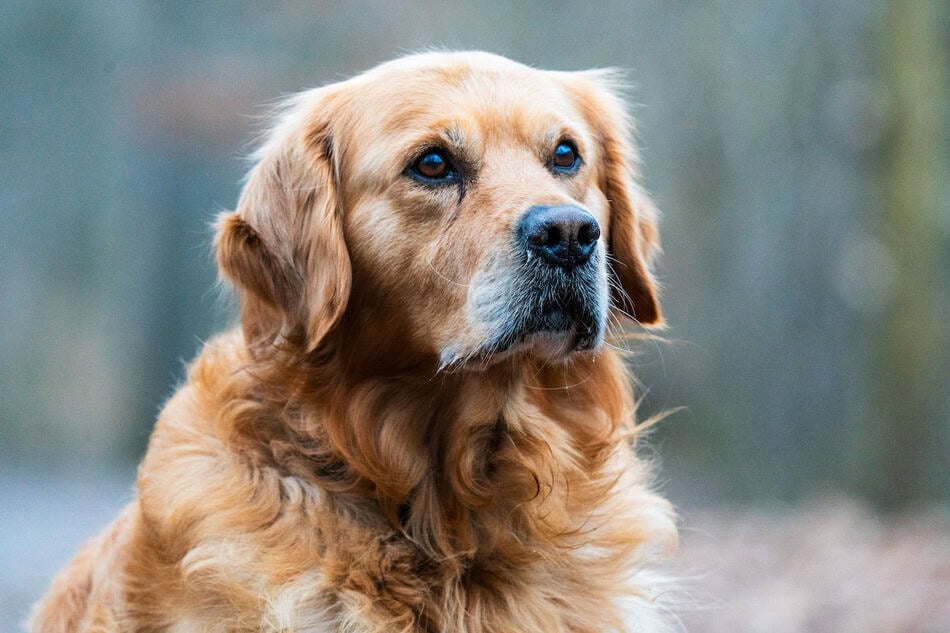
A double-coated dog has two layers doing different jobs. The longer outer coat helps protect the skin, while the softer undercoat provides insulation. As fall arrives, much of the lighter seasonal undercoat is shed while a denser coat develops for colder weather. VCA Animal Hospitals notes that dogs with thick double coats can go through heavy shedding periods in late spring and late fall, sometimes losing undercoat in noticeable clumps.
That process is often called “blowing the coat,” and if you own a Husky, Malamute, German Shepherd, Golden Retriever, Labrador, or another heavily coated breed, you probably don’t need the term explained. You’ve seen the tumbleweeds.
Changes in daylight and temperature help influence seasonal coat changes, so the calendar matters even for dogs that spend much of their time indoors says the American Kennel Club. Indoor heating, air conditioning, and artificial light can blur the seasonal pattern, however, which is one reason some dogs seem to shed steadily throughout the year instead of having one spectacular autumn fur explosion.
Not every dog follows the same schedule. Short-coated dogs may shed smaller amounts almost continuously, while breeds whose hair grows for much longer periods can seem to shed very little. Coat type matters far more than the size of the dog.
What Normal Fall Shedding Looks Like
Normal seasonal shedding can be dramatic, but it should still look like shedding rather than hair loss.
You may find considerably more fur on the brush, furniture, car seats, and clothing. On double-coated dogs, tufts of loose undercoat may even pull free during brushing. But underneath all that departing hair, the skin should generally look healthy. You should not be discovering raw spots, sores, obvious bald patches, or intensely irritated skin.
That distinction is useful because “my dog is shedding like crazy” and “my dog is losing hair” are not always the same problem. The AKC’s veterinary guidance on canine hair loss distinguishes ordinary shedding from alopecia, which can leave areas noticeably thin or bare.
If your dog looks perfectly normal but your vacuum cleaner is begging for mercy, fall may simply be doing its thing.
The Best Thing You Can Do Is Brush More Often
There is no supplement, shampoo, or household trick that can stop a healthy dog from going through a normal coat cycle. The loose hair is coming out one way or another.
Your best option is to decide where you’d rather collect it.
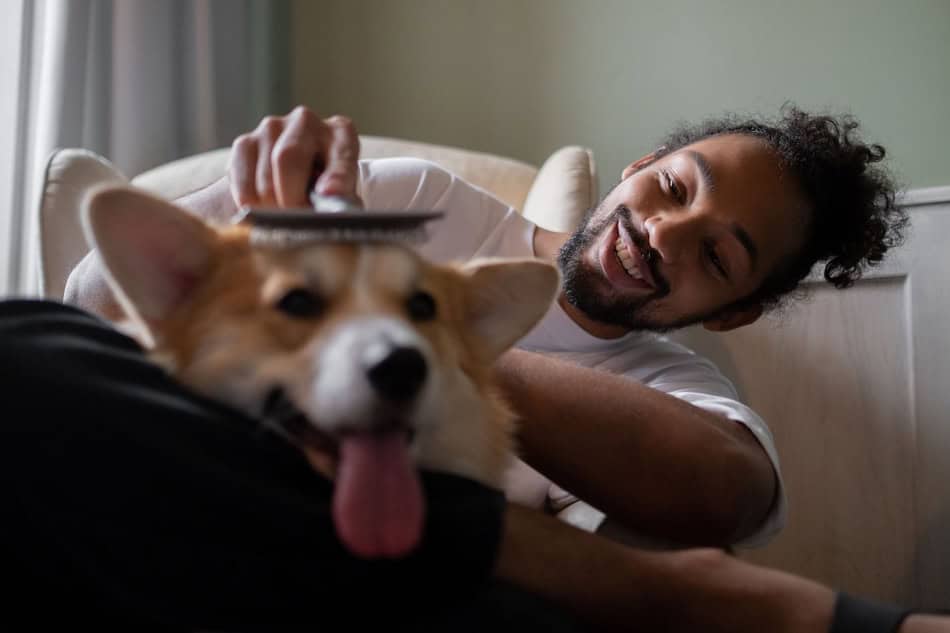
During a heavy shed, brushing several times a week can keep an impressive amount of fur off the sofa. Some heavily coated dogs benefit from daily brushing for a while. The goal isn’t to pull healthy hair out. It’s to gently remove undercoat that has already loosened before it tangles into the remaining coat or drops around the house. The AKC recommends adjusting grooming frequency to the dog’s coat and shedding level, with heavy shedders often needing much more attention during peak season.
Use a tool suited to the coat. A slicker brush can work well on many medium and long coats, while an undercoat rake or appropriate deshedding tool can reach the soft fur beneath a double coat. Use a light hand. Scraping repeatedly over the same skin with an aggressive tool can turn grooming into irritation.
A bath can also help loosen dead fur, particularly on a dog with a heavy coat. Use shampoo formulated for dogs and don’t assume that more bathing means less shedding. Frequent washing can dry or irritate the skin in some dogs. VCA recommends tailoring bathing to the dog’s coat, lifestyle, and skin health rather than following one schedule for every pet.
Don’t Shave a Double Coat to Solve the Problem
After emptying the vacuum for the third time, shaving all that fur can sound tempting.
It usually isn’t the answer.
A double coat does more than keep a dog warm. Its layers also help protect the skin and regulate temperature. The AKC advises against shaving double-coated dogs simply to deal with shedding, because removing that coat can interfere with its normal function and regrowth.
Brush the loose undercoat out instead. And remember that a thick winter coat doesn’t make a dog immune to dangerous cold. As temperatures continue falling, Farmers’ Almanac has more on keeping pets safe during extreme winter weather. Farmers’ Almanac
When Shedding Is Trying to Tell You Something Else
Fall gives dog owners an easy explanation for extra fur, but it shouldn’t become an excuse to ignore changes in the skin underneath.
Call your veterinarian if the shedding comes with bald spots, persistent scratching or licking, redness, sores, scabs, a greasy or unusually flaky coat, a strong skin odor, or a sudden change that seems far outside your dog’s normal pattern. VCA notes that allergies, parasites, skin disease, hormonal problems, poor nutrition, stress, and other health issues can all affect a dog’s coat.
Fall can complicate the picture because seasonal allergies don’t necessarily disappear with summer. Dogs with environmental allergies may become intensely itchy from pollens, molds, and other allergens, and repeated scratching or licking can eventually cause hair loss. Cornell University’s College of Veterinary Medicine notes that canine atopic dermatitis often has a seasonal component and commonly shows up as itching, foot licking, face rubbing, irritated skin, and sometimes hair loss.
In other words, loose hair all over the house may be normal. Bare skin on the dog deserves a different reaction.
Your Couch May Be Losing This Battle

If your dog is healthy, comfortable, and simply shedding more than usual, there may not be anything to “fix.” This is one of the less glamorous signs that the season has changed.
Brush more often for a few weeks. Wash the dog bed. Keep a lint roller somewhere you can actually find it. And perhaps reconsider wearing black pants around a Golden Retriever until Thanksgiving.
The fur should taper off as the coat transition finishes. Until then, your dog is getting ready for colder weather in the most inconvenient way possible.

- Maggie Konrad

- Maggie Konrad
- Maggie Konrad
- Maggie Konrad