

11 Cold Weather Safety Tips for Frostbite, Hypothermia, and Frozen Pipes
Cold weather extremes can be dangerous. These important cold weather tips can keep you, your family, and pets safe when the mercury and wind chills drop!
Quick Reference
- Frostbite warning signs: Loss of feeling, pale or waxy skin on fingers, toes, ear lobes, or nose tip. Get warm. Do not massage or use a heating pad. Seek medical help.
- Hypothermia warning signs: Uncontrollable shivering, memory loss, slurred speech, drowsiness. Body temperature below 95 F means immediate medical care.
- Layer rule: Several loose lightweight layers, water-repellent outer shell, wool sweater, thermal base.
- Pet rule: Bring them inside in sub-zero temperatures. Paws, noses, and ears get frostbite too.
- Pipe rule: Wrap them. Trickle a faucet if pipes have frozen before. Know how to shut off the water.
- Neighbor rule: Check on elderly or disabled neighbors during any extreme cold stretch.
Cold weather is uncomfortable and can be downright dangerous. When winter conditions go from cold to frigid, it is important to take some precautions so you stay safe. Here are 11 of our top cold weather safety tips to keep you safe during cold weather, along with the warning signs and the home prep that prevents most emergency calls in the first place.

11 Must-Read Severe Cold Weather Safety Tips
- Minimize outside activities, particularly the elderly and very young. This also goes for pets.
- Dress in layers. Wear several loose-fitting, lightweight clothing items instead of one heavy layer. Make sure the outer garments are tightly woven and water-repellent. Invest in high-quality thermal underwear and layer it beneath a turtleneck. Top it off with a wool sweater and a long coat or fleece-lined parka. Consider wearing runners’ tights underneath your pants for added warmth, which is even more effective than thermal underwear.
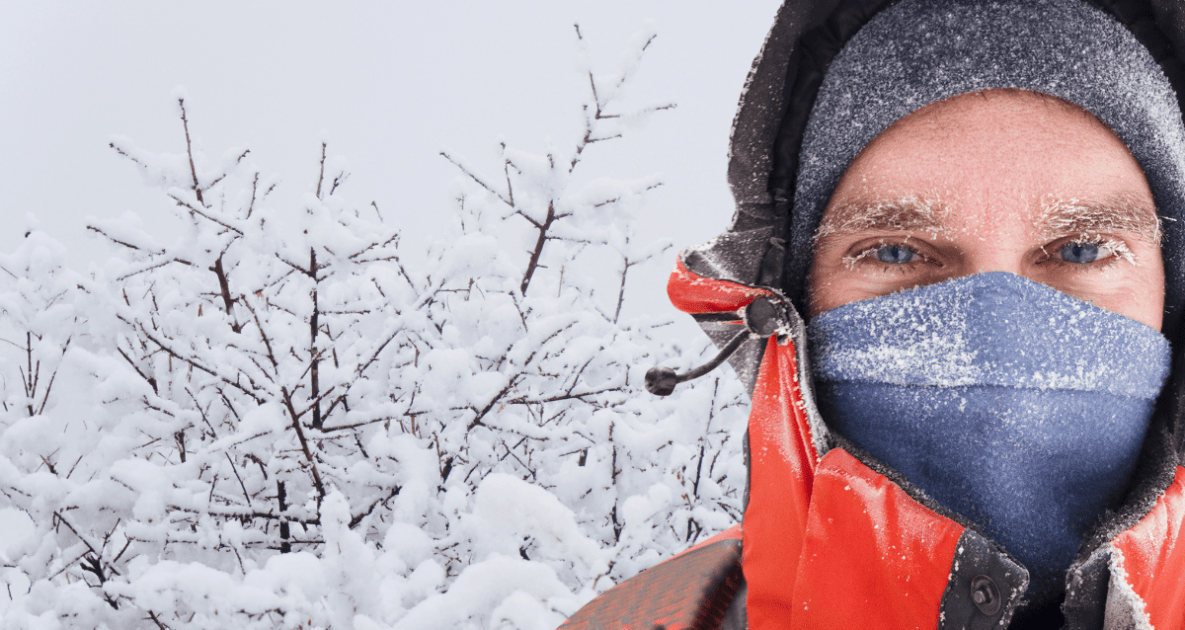
- Wear the right gear. Our bodies prioritize keeping our organs warm, so it is important to protect our hands and feet from the cold. Consider wearing wool-lined winter gloves or heavy mittens, along with sturdy and waterproof boots. Wear a hat that covers your ears, and use a scarf to cover your face and mouth for extra protection for your lungs.
- Excessive exposure can lead to frostbite, which is damaging to body tissues. Frostbite causes a loss of feeling and a pale appearance in extremities, such as fingers, toes, ear lobes, or the tip of the nose. If symptoms are detected, get out of the cold. Go to a warm room, soak in warm water. Do not massage or use a heating pad. Seek medical help.
- Do not leave pets outside during cold weather extremes. They need adequate shelter. In sub-zero temperatures, their paws, noses, and ears can succumb to frostbite. Bring them inside. If you cannot bring them in your home, house them in a garage or basement with plenty of warm bedding.
- Know the warning signs of hypothermia: uncontrollable shivering, memory loss, disorientation, incoherence, slurred speech, drowsiness, and apparent exhaustion. If body temperature drops below 95 degrees, seek immediate medical care.
- Be safe with heat sources. When using alternate heating sources, such as your fireplace, wood stove, or space heater, take the necessary safety precautions to ensure they are ventilating properly. Keep a fire extinguisher handy, and make sure everyone in the household knows how to use it. Test smoke alarms and carbon monoxide detectors. If you use a generator, be sure you know how to do so safely. Always use outdoors, at least 20 feet away from windows, doors, and attached garages. Use heavy-duty extension cords.
- Seal off unused rooms by stuffing rolled-up towels in the cracks under the doors. At night, cover windows with extra blankets or sheets. Consider installing inexpensive insulating window film, which you can purchase at any hardware store.
- Save the food. If you lose power for an extended period of time, do not let food go to waste. Use the outdoors as a makeshift freezer for food. Cover items to protect from wildlife.
- To keep pipes from freezing, wrap them in insulation or layers of newspapers, covering the newspapers with plastic to keep out moisture. Allow a trickle of water to run from a faucet if your pipes have frozen in the past. This will keep the water moving so that it cannot freeze. Learn how to shut off your water if a pipe should burst.
- Be a good neighbor. Check in with elderly or disabled relatives and neighbors to ensure they are safe.
Frostbite vs Hypothermia at a Glance
| Condition | What it is | Warning signs | What to do |
|---|---|---|---|
| Frostbite | Tissue freezing on extremities | Loss of feeling, pale waxy skin on fingers/toes/nose/ears | Warm room, lukewarm water soak. No heating pad. Seek medical help. |
| Hypothermia | Body core temperature dropping below 95 F | Uncontrollable shivering, memory loss, slurred speech, drowsiness | Call for help immediately. Move to warmth. Replace wet clothes. |
| Trench foot | Cold, wet feet for hours or days | Numbness, pale or red skin, blisters | Dry feet, warm slowly, change socks frequently in cold-wet conditions. |
| Wind chill burn | Combined cold + wind on exposed skin | Stinging then numbness on cheeks, neck, ears | Cover up, move out of wind, gradually rewarm. |
The National Weather Service cold-weather safety guide walks through each condition with the same warning signs.
Cold Weather Layering Cheat Sheet
- Base layer. Merino wool or synthetic thermal long underwear. Avoid cotton against the skin.
- Mid layer. Wool sweater or fleece. Holds heat even when slightly damp.
- Outer shell. Tightly woven, water and wind-repellent. A good fleece-lined parka or long coat works.
- Hands. Wool-lined gloves for dexterity, heavy mittens for very cold work.
- Feet. Wool socks plus sturdy waterproof boots, ideally a half size up so the wool sock fits.
- Head and face. Hat that covers the ears, scarf or balaclava across the mouth and nose.
Cold Weather Home Prep Checklist
- Wrap any pipes in unheated spaces (garage, crawlspace, exterior wall).
- Know where the main water shutoff is, and make sure every adult in the household does too.
- Service the furnace before the first hard freeze of the season.
- Test smoke and carbon monoxide alarms when you “fall back.”
- Stock the emergency kit: water, non-perishable food, flashlight, blankets, battery bank for phones.
- If you use a generator, run it outdoors only, at least 20 feet from windows, doors, or attached garages.

Frequently Asked Questions
What is the first sign of frostbite?
Loss of feeling and a pale or waxy appearance on fingers, toes, ear lobes, or the tip of the nose. Skin that has gone numb is no longer signaling pain, which is exactly when the damage starts. Get to a warm room and rewarm in lukewarm water, not hot water and not a heating pad.
When should I seek medical help for hypothermia?
Immediately if body temperature drops below 95 degrees Fahrenheit. Other warning signs that warrant a call include uncontrollable shivering, slurred speech, memory loss, disorientation, drowsiness, or apparent exhaustion in cold conditions.
How do I keep pipes from freezing?
Wrap pipes in insulation or layers of newspapers covered with plastic to keep out moisture. Let a thin trickle of water run from a faucet if pipes have frozen before. Learn how to shut off your water in case a pipe bursts.
Is it safe to leave a pet outside in winter?
No, not in sub-zero temperatures. Their paws, noses, and ears get frostbite the same way ours do. Bring pets inside, or at least into a garage or basement with plenty of warm bedding. Short outside trips for bathroom needs are fine if the dog is acclimated, but keep them brief.
Where should I run a generator in a power outage?
Outdoors only, at least 20 feet from any window, door, or attached garage. Generators emit carbon monoxide that pools in enclosed spaces and kills silently. Use heavy-duty extension cords rated for outdoor use.
Why do I lose more body heat through my head?
The “all heat through the head” line is exaggerated, but blood flow to the head is high and exposed skin loses heat quickly. A hat that covers the ears, plus a scarf or balaclava over the mouth, makes a measurable difference in how warm the rest of you stays.
What should I check on for elderly neighbors during a cold snap?
Heat is on and reliable. Pipes are not frozen. Walkways are cleared. Phone is charged. Pantry and medications are stocked for at least three days. A 10-minute visit can prevent the most serious cold-weather emergencies that show up in the news every winter.
Related:
Be sure to read our winter driving safety tips!
Tell Us
What is your most useful cold-weather tip? The one that has gotten you and your family through the worst nights of winter. Drop it in the comments and we will fold it into the next round.


This article was published by the Staff at FarmersAlmanac.com. Any questions? Contact us at [email protected].
- Farmers' Almanac Staff

- Farmers' Almanac Staff

- Farmers' Almanac Staff

- Farmers' Almanac Staff



Thanks! All great reminders.
Thanks Joe. We do our best but sometimes those darn typos escape even our best proofreaders. We have fixed it.
“If you lose electricity is lost for an extended period of time,”
Did someone proof read this
lots of helpful hints