How Do Leaves Know When to Change Color? 7 Fun Facts About Fall Foliage
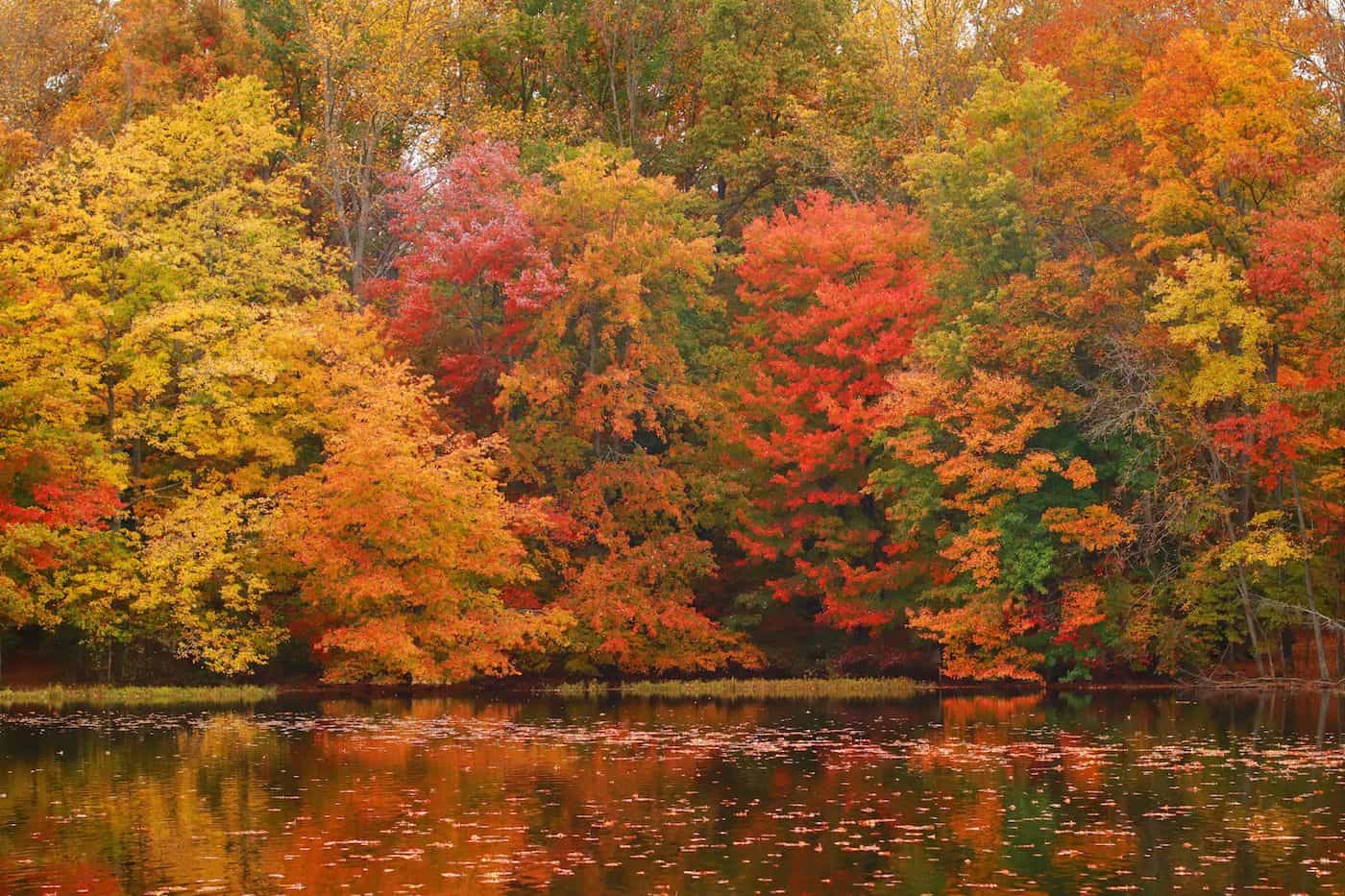
A tree doesn’t check the calendar to know when autumn has arrived. It responds to changes in its surroundings, especially the shrinking amount of daylight. Shorter days trigger changes inside the leaves, turning familiar green canopies into fall’s reds, yellows, and golds.
Here are seven facts to impress your friends with the next time you’re out leaf peeping.
1. Shorter days are the tree’s seasonal cue
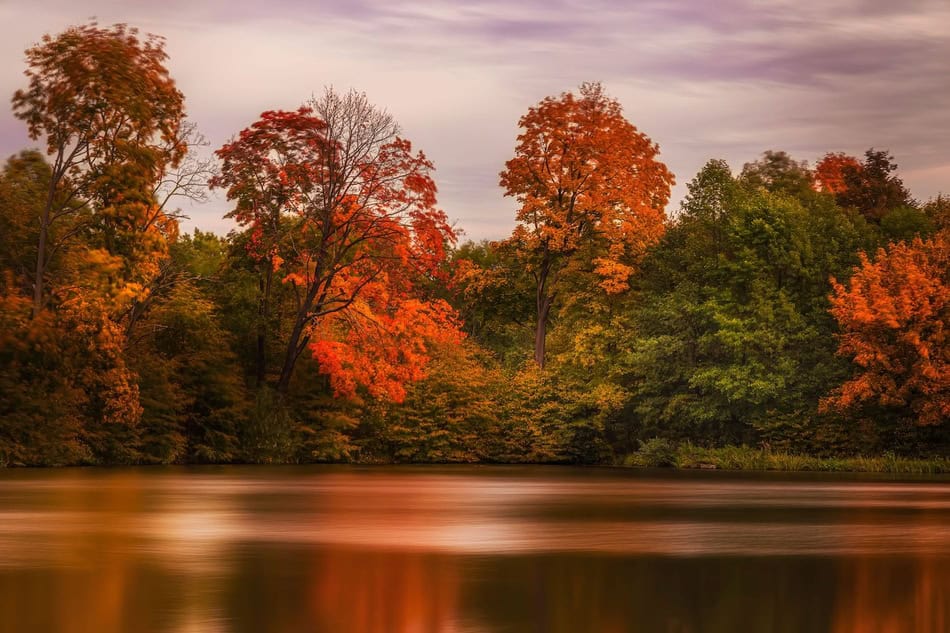
As nights grow longer, trees begin preparing for winter. Light-sensitive systems in the plant respond to the change in day length, while cooler temperatures also affect the timing and pace of the process. The tree slows its food-making activity and stops replacing chlorophyll, the pigment that makes leaves green.
That’s why leaves can start changing before the first frost. University of Illinois Extension explains how trees respond to shorter days and cooler temperatures.
2. Yellow and orange were hiding in the leaves all along
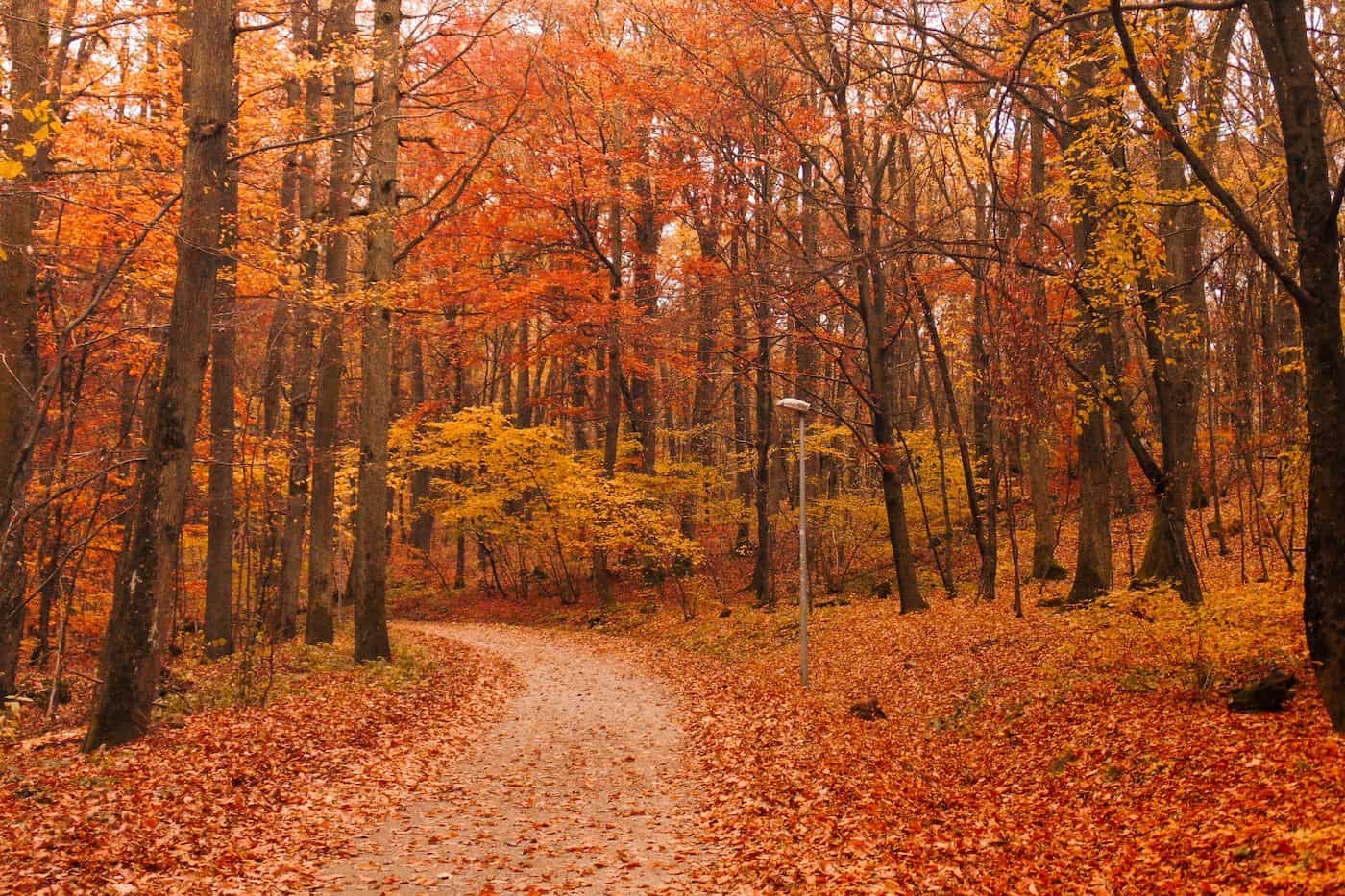
Many leaves contain yellow and orange pigments called carotenoids throughout the growing season. The green chlorophyll masks them. When chlorophyll breaks down in fall, those colors come into view.
Red and purple are a different story. Some trees make those pigments, called anthocyanins, in autumn. UConn Extension explains how the different pigments create fall color.
3. The tree is taking useful supplies back
Before a leaf drops, the tree recovers some of its nutrients and stores them in its branches, trunk, and roots. Then a layer of specialized cells forms where the leaf stem meets the branch. This separation layer helps the leaf detach.
The colorful display is part of a practical seasonal routine: the tree is winding down the leaf’s work and getting ready for winter.
4. Red leaves may be giving the tree a hand
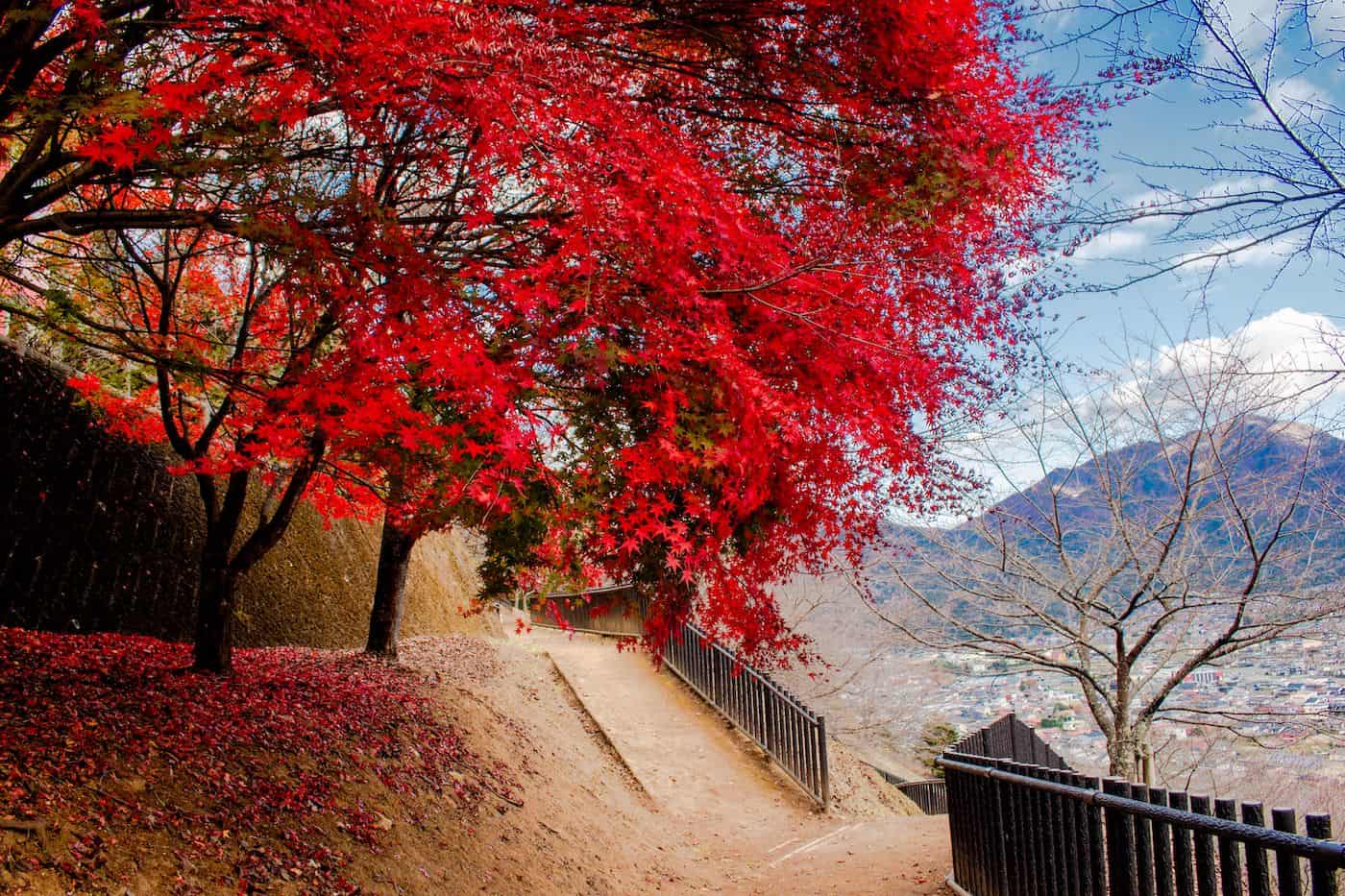
Scientists are still studying why some trees make red pigments just before their leaves fall. One leading explanation is that anthocyanins act a little like sunscreen, shielding leaves from strong light while the tree pulls back nutrients. Research supports that idea, though the role of red pigments may differ among species. Washington State University
5. Sunny branches may turn redder
Look at a tree from different sides. Leaves on the sunny outer branches can turn a brighter red than leaves tucked into the shade. Light helps drive the production of anthocyanins in some species, so a single tree may show a mix of red, orange, and yellow.
6. A brilliant display needs more than chilly weather
Warm, sunny days followed by cool nights can encourage vivid color, especially red. But a dry autumn isn’t the same as a drought-stricken summer. Trees that had enough moisture during the growing season are generally better positioned to hold their leaves and put on a display. Severe drought or an early hard freeze can cause leaves to brown or fall before their colors fully develop.
For more, see the Farmers’ Almanac guide to what makes fall foliage bright and fall foliage dates by state.
7. Some trees hang onto their leaves
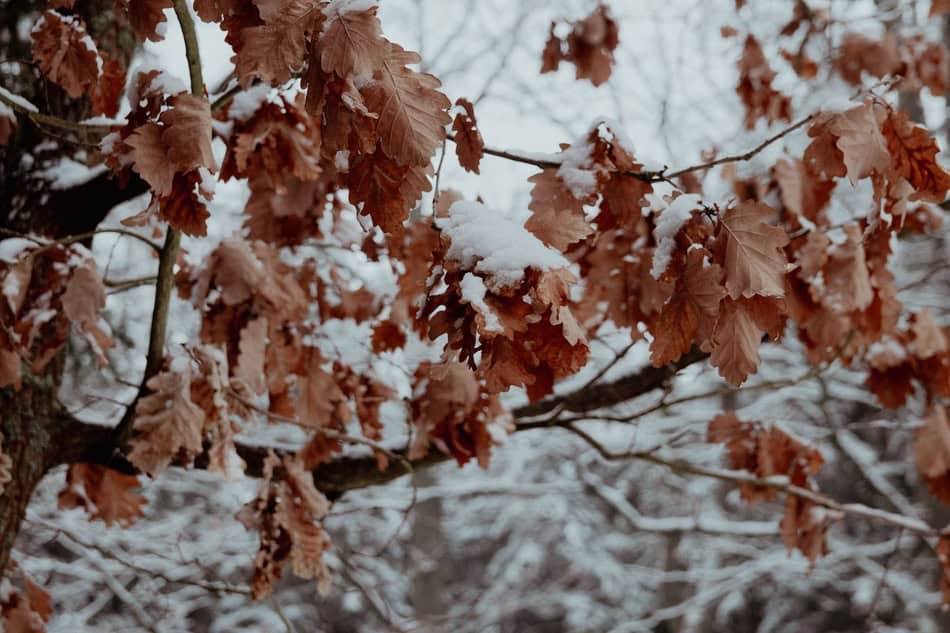
Most deciduous trees drop their leaves in fall, but some oaks, beeches, and other trees may keep dry, brown leaves through part of the winter. This is called marcescence. The leaves eventually fall, often when new growth begins in spring.
Fall color varies from year to year and from one tree to another. Choose a tree near home and take a photo from the same spot every few days. It can be fascinating to notice the subtle changes you’d otherwise miss.

- Maggie Konrad

- Maggie Konrad
- Maggie Konrad
- Maggie Konrad