Why Your House Feels Cold Even When the Thermostat Says It’s Warm (And What You Can Do About It)

Your thermostat says 70°F, the heat is running, and you’re still cold. Before turning it up another few degrees, consider this: Your thermostat might be reading the temperature correctly, but that doesn’t mean the rest of your house feels the same.
Cold walls, chilly floors, drafts, and uneven heating can all make a room uncomfortable even when the air temperature seems perfectly reasonable. Some of these problems are surprisingly easy to fix. Others point to heat escaping from places you rarely think about.
Here’s how to figure out what’s happening in your house and what you can do about it.
Why 70°F Doesn’t Always Feel Like 70°F
A thermostat measures the air temperature around it. Your body, however, responds to more than just the air.
The temperature of nearby walls, windows, and floors also matters. When you’re sitting near a cold window or an inadequately insulated exterior wall, your body loses heat to those cooler surfaces. You can feel chilly even though the air around you is warm.
Air movement makes a difference, too. A draft carries away the layer of warm air surrounding your body, making a room feel colder than the thermometer suggests.
The U.S. Department of Energy explains how heat moves through buildings and why insulation, air movement, and radiant heat all affect indoor comfort.
Then there’s the thermostat itself. If it’s located in a naturally warm part of the house, it may stop calling for heat before colder rooms reach a comfortable temperature.
The Most Common Reasons Your House Feels Cold
1. Your Walls and Windows Are Cold
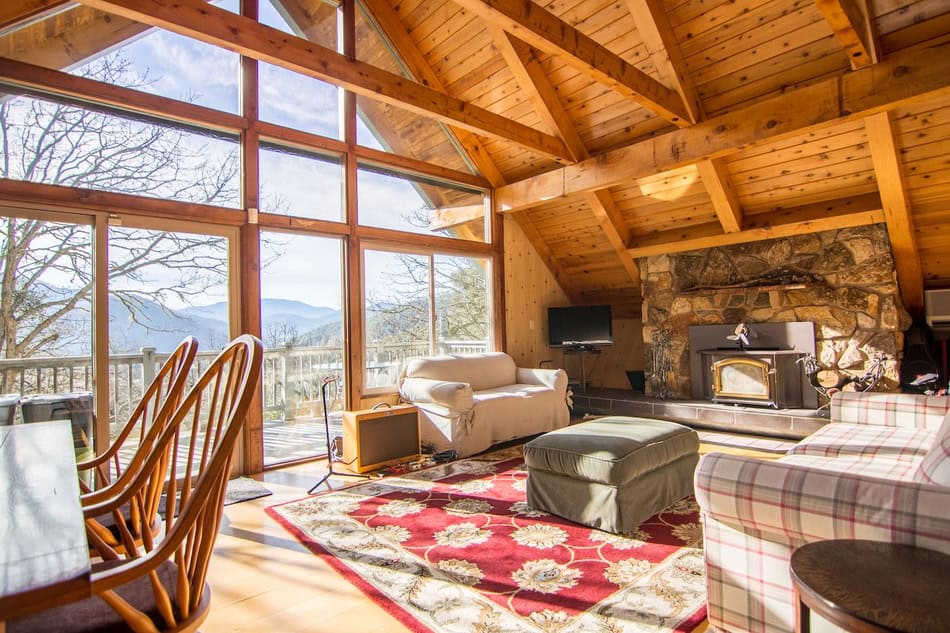
Large windows and poorly insulated exterior walls can make an otherwise warm room uncomfortable.
You may notice this most when sitting near a window on a winter evening. Even without an obvious draft, the cold glass can affect how warm you feel.
Cold exterior walls can have a similar effect, particularly in older houses with limited insulation.
What helps: Close blinds or curtains at night to reduce heat loss through windows. Open them during sunny winter days when sunlight can provide some additional warmth. Insulating window coverings may help, but if the walls themselves are unusually cold, the insulation may need attention.
2. Cold Air Is Getting In Through Hidden Gaps
A draft doesn’t have to be strong enough to flutter the curtains.
Outside air can enter around window frames, doors, baseboards, plumbing openings, and other small gaps. Some of the biggest air leaks are hidden in attics and basements.
According to ENERGY STAR, warm air escaping through openings near the top of a house can draw cold outdoor air into lower areas.
That means the draft you feel near the floor may actually be connected to an air leak several stories above it.
What helps: Use weatherstripping around movable windows and doors, and caulk suitable gaps around stationary frames and trim. Larger or hidden leaks may require professional air sealing.
3. Your Floors Are Losing Heat
If your feet are freezing while the rest of you feels reasonably warm, look at what’s underneath the floor.
Rooms built above unheated basements, crawlspaces, garages, or open spaces can have particularly cold floors. Inadequate insulation and air leaks allow heat to escape through the floor structure.
What helps: A rug can make a cold floor more comfortable immediately. For a lasting improvement, investigate insulation and air sealing beneath the floor.
ENERGY STAR identifies basement and crawlspace insulation and air sealing as potential solutions for cold floors and uneven temperatures.
4. The Temperature Near Your Thermostat May Be Warmer Than the Rest of the House
Suppose your thermostat is in a hallway that stays relatively warm, but your living room has two exterior walls and several large windows.
The hallway may reach 70°F while the living room remains several degrees cooler. The thermostat senses that its location has reached the desired temperature and stops calling for heat.
Direct sunlight, nearby appliances, heating vents, and other heat sources can also affect thermostat readings.
What helps: Use a separate room thermometer to compare temperatures. ENERGY STAR recommends placing thermostats on interior walls, away from sunlight, drafts, windows, and heat-producing appliances. If the location is causing significant problems, an HVAC professional can evaluate whether relocating the thermostat or using compatible remote sensors would help.
5. Warm Air Isn’t Reaching Every Room
Sometimes the heating system is producing plenty of warmth, but that heat isn’t being distributed evenly.
Blocked supply registers, obstructed return-air grilles, and dirty HVAC filters can restrict airflow in forced-air systems. Leaky or poorly insulated ductwork can also prevent sufficient warm air from reaching certain rooms.
ENERGY STAR reports that a typical home’s duct system can lose about 20% to 30% of the air moving through it because of leaks, holes, and poorly connected ducts.
What helps: Make sure furniture, rugs, and curtains aren’t blocking vents or returns. Check the HVAC filter and replace it according to the manufacturer’s instructions. If one room remains consistently colder, have the ductwork and heating system inspected.
How to Find Out What’s Making Your House Feel Cold
Before spending money on repairs, pay attention to where and when you feel cold. Different symptoms can help narrow down the cause.
| What you notice | What to investigate first |
|---|---|
| Cold near windows, even without a draft | Cold glass, window insulation, or air leaks |
| Cold floors, especially on the first level | Basement or crawlspace insulation and air sealing |
| One room is much colder than the others | Airflow, ducts, insulation, or thermostat location |
| Drafts around doors or baseboards | Gaps in weatherstripping or air sealing |
| Whole house feels chilly despite warm air | Cold surrounding surfaces or widespread air leakage |
| Heating system runs frequently but rooms stay cold | Heat loss, restricted airflow, or equipment problems |
These are clues, not definitive diagnoses. More than one problem can exist in the same house.
Try These Simple Checks
Start by placing a reliable thermometer in the room where you feel cold, away from windows, vents, and direct sunlight. Compare its reading with the thermostat after temperatures have had time to stabilize.
Next, check for obvious drafts around doors and windows. ENERGY STAR recommends a simple paper test: Close a door or window on a piece of paper. If it slides out easily, the seal may not be tight enough.
Look for cold spots along exterior walls and floors. Check whether heating registers and return grilles are clear, and note whether the coldest rooms are above unheated spaces.
You don’t need to identify every leak yourself. A professional home energy assessment can reveal problems that aren’t visible during an ordinary walkthrough.
What You Can Do to Make Your House Feel Warmer
Once you’ve identified the likely cause, begin with the simplest fixes.
Seal the obvious drafts. Replace worn weatherstripping and caulk appropriate gaps around window and door frames. These are relatively inexpensive improvements that can make a noticeable difference.
Use your window coverings strategically. Let sunlight warm rooms during the day when possible, then close curtains or insulating shades after dark.
Keep the heat moving. Move furniture away from heating registers, radiators, and baseboard heaters. Make sure return-air grilles are unobstructed and keep filters properly maintained.
Address cold floors. Rugs help with immediate comfort, but a persistently cold floor may need improved insulation or air sealing underneath.
Investigate insulation and hidden leaks. If exterior walls remain cold or the house is drafty throughout, look beyond the windows. The attic, basement, and connections between building materials may be responsible for substantial heat loss.
ENERGY STAR estimates that homeowners can save an average of 15% on heating and cooling costs by air sealing their homes and adding insulation in attics, floors over crawlspaces, and basements. Actual savings depend on the home and the improvements made.
For additional ways to control winter energy costs, see our 7 Ways to Lower Your Heating Bill This Winter.
When to Call a Professional
If you’ve checked the obvious trouble spots and your house still feels cold, a professional energy assessment may be more useful than another thermostat adjustment.
An energy auditor can use specialized equipment, including a blower door test, to find hidden air leaks and identify insulation problems. An HVAC technician can check whether the heating system and ductwork are distributing heat properly.
This is especially worthwhile when several rooms are uncomfortable, heating bills are unusually high, or the system runs frequently without maintaining the desired temperature.
One important precaution: Air sealing can affect ventilation and combustion appliances. Homes with fuel-burning furnaces, fireplaces, or water heaters may need professional safety testing before extensive air sealing is performed.
You can learn more about professional assessments through the U.S. Department of Energy’s home energy assessment guide.
A warmer house doesn’t necessarily require a higher thermostat setting. Finding where heat is escaping, where cold surfaces are affecting comfort, or why warmth isn’t reaching certain rooms can help you solve the actual problem without paying to heat the house more than necessary.

- Maggie Konrad

- Maggie Konrad
- Maggie Konrad
- Maggie Konrad