How Much Firewood Do You Need for Winter Where You Live?

Three cords might carry a home through winter in one part of the country. In another, a household can burn that much before the season is half over. Your local climate gives you a starting point, but the size and condition of your home, your stove, and how often you burn can change the order by several cords.
Here are practical regional benchmarks, followed by a few ways to make them fit your home. Just keep in mind that these are estimates, not promises: the Extension sources use different homes and heating habits. If you have a winter or two of wood use to look back on, your own records are the best guide.
Firewood Estimates by Region
Northeast and northern New England
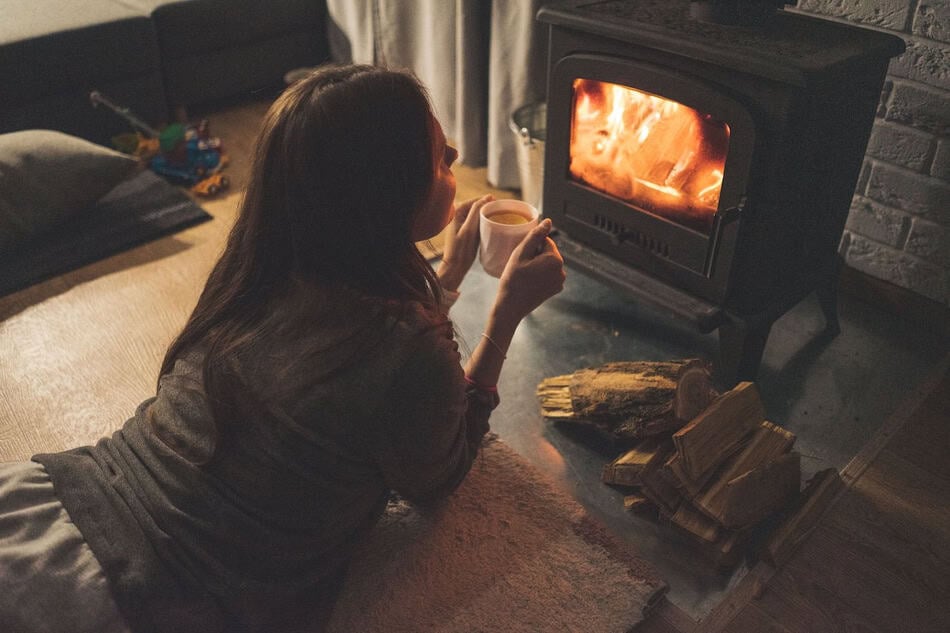
UNH Extension estimates that a fairly weather-tight, 1,500-square-foot New Hampshire home burns four to five cords of seasoned wood in an average heating season. If you heat about 1,000 square feet, start near three cords; for 2,000 square feet, start near five to seven. Those are rough adjustments based on the area heated.
That New Hampshire example suits a home that relies heavily on wood. If your stove provides about half your winter heat, a 1,500-square-foot home might start around two to 2½ cords. A tight home and efficient stove point toward the low end. Drafts, high ceilings, an older stove, or a colder inland or mountain location push the estimate up. Southern coastal New England usually has a shorter heating season than northern Maine, New Hampshire, or Vermont.
Mid-Atlantic and Appalachia
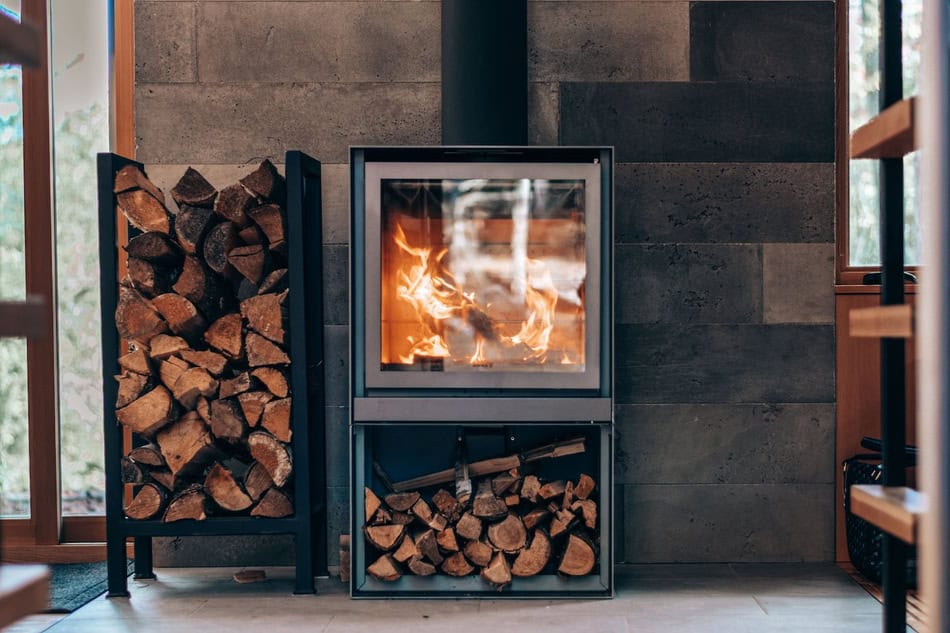
West Virginia University Extension gives about four cords as an average-season estimate for a 1,500-square-foot home. For a similar home, use that as your anchor. A 1,000-square-foot area might need about three cords; 2,000 square feet might need five to six.
Use less if the stove is backup heat, and more if the house is drafty or the stove runs most days. Homes on exposed ridges and at higher elevations can need more than homes in nearby valleys.
Great Lakes and Upper Midwest
Iowa State University Extension gives a broad range of three to seven cords a year for home heating in Iowa. It isn’t tied to one house size, so treat it as a broad regional check.
A large, drafty home or a stove that supplies most of the heat puts you near the top. A smaller home with a furnace doing most of the work belongs nearer the bottom. Farther north, where the heating season is longer and colder, don’t treat Iowa’s range as a ceiling.
Southern Plains and warmer parts of the South
Oklahoma State University Extension’s rule of thumb is one to two cords per 1,000 square feet. For a 1,500-square-foot home, that’s about 1½ to three cords.
In the warmer South, a stove used for occasional cold snaps may need less. In colder uplands, including parts of the Ozarks and Appalachians, plan toward the higher end. A stove used most days needs a larger stack than one lit only on a few chilly evenings.
Mountain West and high elevations
Montana State University Extension estimates two to four cords for a medium-sized modern home heated entirely with wood, and one to two cords when wood supplies only part of the heat. A large or drafty house, a long winter, or a high-elevation location can push those numbers higher. Milder low-elevation towns may need less.
Make the Estimate Fit Your House
Start with the example closest to your climate. Then ask three questions:
- How much of the house does the stove heat? Use the area the stove actually warms, not the home’s total square footage. A 1,000-square-foot living area needs less wood than a 2,000-square-foot home.
- How much of your heat comes from wood? If the stove provides about half of the season’s heat, start with roughly half the regional estimate. If it’s your main heat source, plan around the full figure.
- How much heat does your home keep? Drafts, high ceilings, and a stove that struggles to warm distant rooms move the estimate up. A well-sealed home and an efficient stove move it down.
Wood itself makes a difference. A useful surprise: a pound of dry wood gives off roughly similar heat whether it comes from oak or pine. But dense oak and hickory pack more weight into a cord, so the same stack usually gives more heat than a cord of lighter wood. Illinois Extension explains why.
Dryness matters even more. A wet log has to shed its water before it can give much heat to the room, and it makes more smoke. The EPA says firewood burns best at 20 percent moisture or less. A moisture meter can help you check. A traditional open fireplace also uses wood differently from a modern stove; UNH Extension notes that an open masonry fireplace is designed more for show than home heating.
What Does a Cord Look Like?
A full cord is a neatly stacked pile four feet high, four feet deep, and eight feet long: 128 cubic feet. That measurement includes the air gaps between the logs, not just solid wood. “Face cord,” “rick,” and “truckload” can mean different amounts, so ask the seller how many full cords you’re getting. UNH Extension’s buying guide explains how to check the measurement.
For next winter, keep a simple tally: how much wood you start with, when regular burning begins, and what remains in spring. You’ll have a better estimate for your home than any national rule of thumb. For advice on splitting and seasoning, see our guide to the best time to split wood.
How much firewood do you burn where you live? Tell us your state or region, the area you heat, and whether wood is your main heat or a backup.

- Maggie Konrad

- Maggie Konrad
- Maggie Konrad
- Maggie Konrad