Salmon Runs: Why Salmon Swim Upstream and Where to Watch This Fall

A salmon run can turn an ordinary river into a wildlife spectacle. Fish gather at the mouth, push upstream against the current, and return to freshwater to spawn. The timing depends on the species and the river, so there isn’t one nationwide “salmon season.” But in many places, fall is a good time to look.
What Is a Salmon Run?
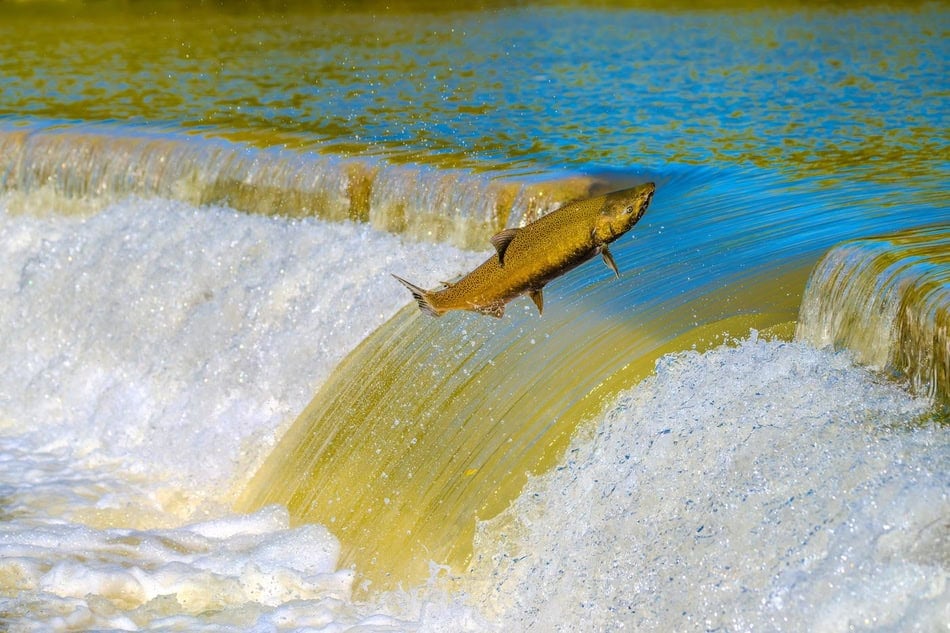
A salmon run is the seasonal migration of adult salmon into rivers and streams to reproduce. Many Pacific salmon hatch in freshwater, travel to the ocean to grow, then return to freshwater as adults. Some salmon in the Great Lakes follow a similar route through rivers, though their “ocean” is a freshwater lake.
The journey home can be remarkably precise. As young fish head downstream, they develop an odor memory of their home waters. Years later, that memory helps guide them back. NOAA Fisheries explains how salmon use this scent memory to find their way to their natal habitat. For more on how animals navigate, see the Farmers’ Almanac guide to how animals find their way home.
The return trip can take years. Chinook salmon, for example, typically spend several years at sea before returning to spawn. Once in freshwater, females use their tails to sweep gravel into a nest called a redd, where they lay their eggs. The gravel lets water flow around the eggs as they develop.
Why Some Salmon Die After Spawning
For many Pacific salmon, spawning is the final act of their lives. Their bodies change as they move into freshwater and prepare to reproduce; after spawning, they die. Those fish still have an important role to play. Their carcasses carry nutrients from the ocean back into rivers and surrounding habitat, where other animals and plants can use them. The U.S. Fish and Wildlife Service describes this cycle as part of the salmon’s journey “from gravel to gravel.”
Atlantic salmon have a different story. Some adults can survive spawning and return to sea, though repeat spawners are increasingly rare. In the United States, the remaining wild Atlantic salmon populations are in Maine and are listed as endangered. They’re a reminder that a salmon run can be both a natural spectacle and a conservation story.
Where to Watch Salmon Runs This Fall
Runs vary by river, species, and water conditions. Check local fish and wildlife agency updates before setting out, and confirm that the viewing area is open.
- Pacific Northwest: Washington’s Department of Fish and Wildlife maintains a salmon-viewing guide with locations around the state. In Oregon, adult salmon spawn at Bonneville Fish Hatchery from about mid-September through the first week of November. The hatchery’s visitor guide also lists viewing at its holding ponds and at the fish ladder and viewing window near Bonneville Dam.
- Great Lakes: Chinook and coho salmon move into Lake Ontario tributaries in fall. New York’s Salmon River near Pulaski and Altmar is a well-known example. Conditions can change from year to year: in September 2026, the state Department of Environmental Conservation announced water-management changes and a delayed opening for one section because of low water levels. Check the latest Salmon River updates before planning a visit.
- Maine: Maine is the only state with remaining wild populations of Atlantic salmon in the United States. These endangered fish return to rivers to spawn, but sightings aren’t guaranteed. Follow local access rules and any closures, and give the fish plenty of room.
How to Watch Without Disturbing the Fish
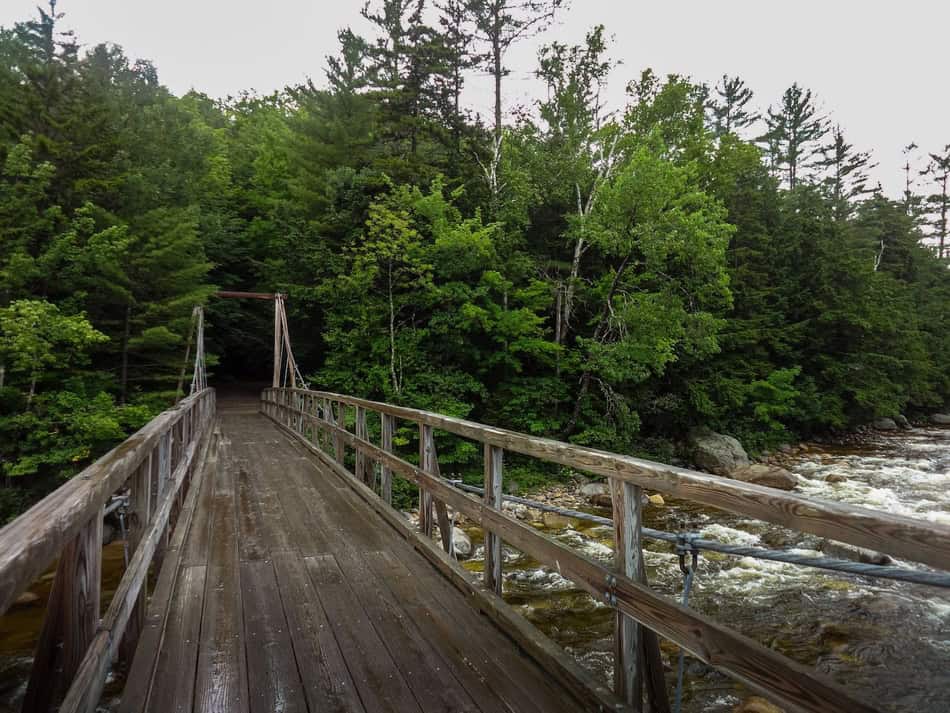
The best view may be from a bridge, trail, hatchery viewing window, or designated riverbank. Look for fish holding in pools or moving through shallow water. You may also spot redds as lighter patches of disturbed gravel on the riverbed. Stay on marked paths and keep out of the water: walking over spawning areas can disturb the gravel nests.
Bring binoculars, dress for damp weather, and give the river time. Salmon don’t arrive on a visitor’s schedule, and a quiet stretch can change quickly when fish move through. Check for closures before traveling, stay off private property, and leave the fish and their habitat undisturbed.

- Maggie Konrad

- Maggie Konrad
- Maggie Konrad
- Maggie Konrad