How To Watch July’s Double Meteor Shower
Late July brings one of the year’s most enjoyable skywatching events as two meteor showers peak at nearly the same time. The Southern Delta Aquariids and Alpha Capricornids overlap each year, treating patient stargazers to a steady display of shooting stars—and even the occasional brilliant fireball.
While neither shower is as famous as August’s Perseids, the combined display can make for a memorable summer night under the stars.
Related: July 2026: Full Buck Moon, Summer Gardens, Meteor Showers, and Midsummer Weather Lore
When To Watch
The Southern Delta Aquariids and Alpha Capricornids are expected to peak during the nights of July 29–30, 2026, with the best viewing occurring after midnight and continuing until dawn.
This year, skywatchers may have to contend with a bright Full Buck Moon on July 29, whose glare will wash out many of the fainter meteors. Even so, brighter meteors and fireballs should still be visible, especially in dark rural locations.
What You’ll See
Southern Delta Aquariids
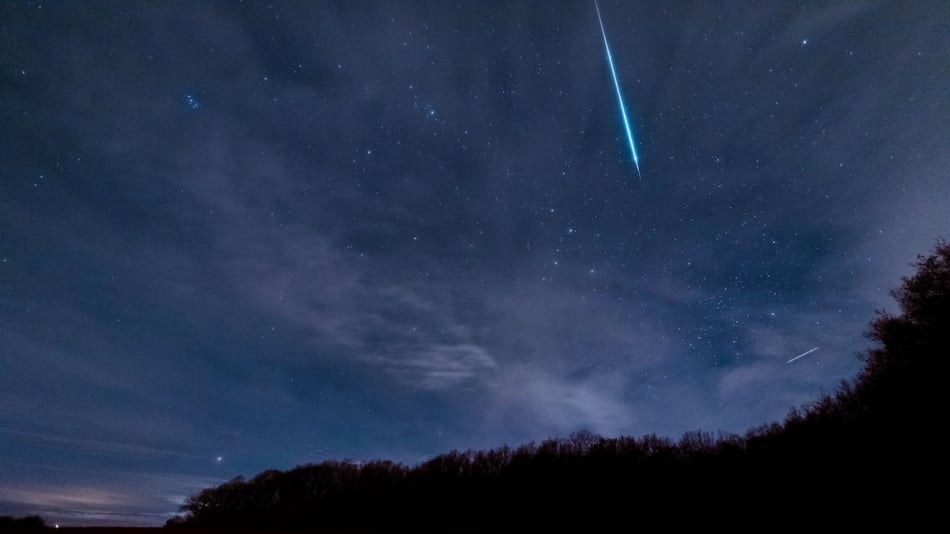
The Southern Delta Aquariids are known for producing faint, graceful meteors that often leave glowing trails across the sky.
- Peak rate: 15–20 meteors per hour under dark skies
- Best viewed after midnight
- Radiant: Near the constellation Aquarius in the southern sky
These meteors tend to be subtle rather than spectacular, rewarding observers who spend plenty of time outside.
Alpha Capricornids
Although the Alpha Capricornids produce fewer meteors—typically 5 to 10 per hour—they’re famous for something else:
Brilliant fireballs.
These exceptionally bright meteors can light up the sky and often leave persistent glowing trails that linger for several seconds.
The radiant lies near the constellation Capricornus, not far from Aquarius, making it easy to watch both showers at once.
Where To Look
You don’t need a telescope or binoculars.
Simply find a location with:
- Dark skies away from city lights
- A wide, unobstructed view of the sky
- A reclining chair or blanket for comfort
Although the meteors appear to radiate from Aquarius and Capricornus, they can streak across any part of the sky. Looking about halfway between the horizon and the overhead sky often provides the best view.
Viewing Tips
To maximize your chances of seeing meteors:
- Allow 20–30 minutes for your eyes to adjust to darkness.
- Avoid looking at your phone or other bright lights.
- Dress comfortably—even summer nights can become cool.
- Be patient. Meteor showers naturally come in bursts with quiet periods in between.
Why Meteor Showers Happen
Meteor showers occur when Earth passes through streams of tiny bits of rock and dust left behind by comets. As these particles enter our atmosphere at tremendous speeds, friction heats them until they glow, creating the familiar streaks of light we call shooting stars.
The Southern Delta Aquariids are believed to originate from debris associated with Comet 96P/Machholz, while the Alpha Capricornids come from material left by Comet 169P/NEAT.
A Perfect Summer Tradition
Even with moonlight reducing the number of visible meteors this year, the overlap of these two showers still offers an excellent excuse to spend a warm summer night beneath the stars. You might catch a handful of graceful shooting stars—or witness one unforgettable fireball blazing across the sky.
Pack a lawn chair, bring a cool drink, and look up. Nature’s summer light show is about to begin.
Quick Facts
| Event | Southern Delta Aquariids | Alpha Capricornids |
|---|---|---|
| Peak | July 29–30, 2026 | July 29–30, 2026 |
| Meteors per hour | 15–20 | 5–10 |
| Best viewing | After midnight until dawn | After midnight until dawn |
| Famous for | Long, graceful meteors | Bright fireballs |
| Equipment needed | None | None |

- Tim Konrad

- Tim Konrad

- Tim Konrad

- Tim Konrad