July 2026: Full Buck Moon, Summer Gardens, Meteor Showers, and Midsummer Weather Lore
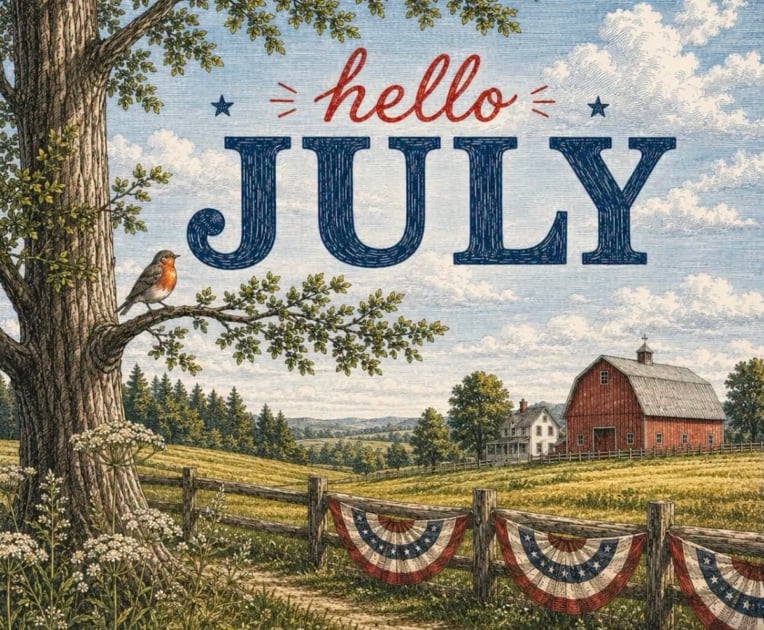
July is high summer in full swing. Gardens are heavy with vegetables, fireflies glow after dusk, thunderstorms rumble on humid afternoons, and warm evenings invite us outdoors long after supper. In 2026, July also brings a special patriotic milestone: the United States marks the 250th anniversary of the Declaration of Independence on July 4.
Here’s what to watch for in the sky, garden, kitchen, and weather during July 2026.
Moon Phases for July 2026
All times below are listed in Eastern Daylight Time.
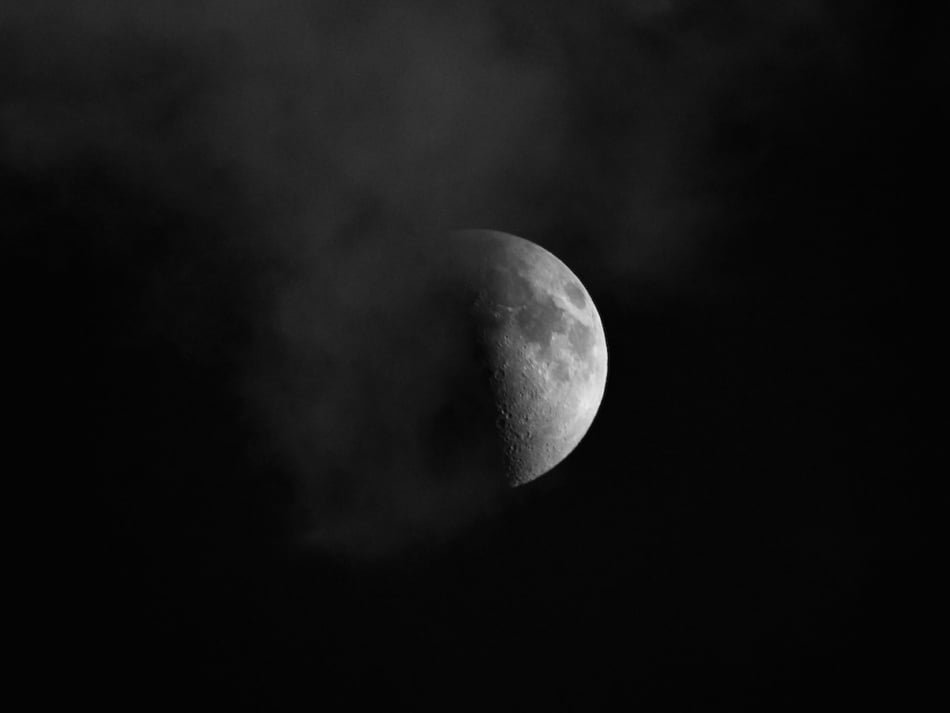
- Last Quarter Moon: Tuesday, July 7, 3:29 p.m.
- New Moon: Tuesday, July 14, 5:43 a.m.
- First Quarter Moon: Tuesday, July 21, 7:05 a.m.
- Full Buck Moon: Wednesday, July 29, 10:36 a.m.
The July Full Moon reaches peak illumination during the morning hours in North America, so the best time to enjoy it will be after sunset on Wednesday, July 29, and again on Thursday, July 30, when the Moon will still appear nearly full.
Why Is It Called the Full Buck Moon?
July’s Full Moon is traditionally known as the Buck Moon because this is the season when male deer, or bucks, are growing new antlers. These antlers are covered in a soft, velvety layer while they develop. Other traditional names for July’s Full Moon include the Thunder Moon, Hay Moon, Mead Moon, and Salmon Moon.
July 2026 Night Sky Highlights
July offers some of the most comfortable stargazing of the year, especially on clear nights away from city lights.
Earth at Aphelion: July 6
On July 6, 2026, Earth reaches aphelion, its farthest point from the Sun for the year, at 17:30 UTC, or about 1:30 p.m. EDT. This often surprises people because July is hot across much of North America, but our seasons are caused by the tilt of Earth’s axis, not by our distance from the Sun.
The Summer Triangle
After dark, look high in the eastern and overhead sky for the Summer Triangle, one of the easiest star patterns to spot. It is formed by three bright stars: Vega, Deneb, and Altair.
Meteor Showers: Bright Moonlight Will Interfere
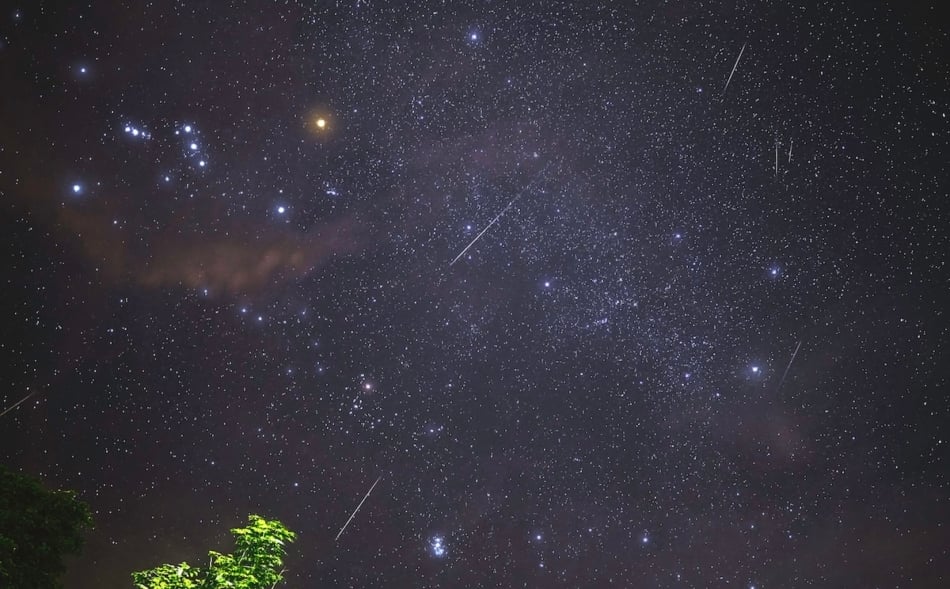
Two late-July meteor showers are worth noting, but 2026 will not be the best year for viewing them.
The Southern Delta Aquariids are active from mid-July into August and peak around July 30–31. Under ideal dark skies, this shower can produce a fair number of meteors, but in 2026 the Moon will be about 98% full near the peak, washing out many of the fainter streaks.
The Alpha Capricornids also peak around July 30–31. This is usually a weaker shower, but it is known for producing occasional bright fireballs. Once again, the nearly full Moon will make viewing more difficult this year.
For meteor watchers, the best advice is simple: choose the darkest location you can, look after midnight, keep the Moon out of your direct line of sight, and be patient. The Perseids also begin in July, but their real show comes in August, when 2026 viewing conditions should be much more favorable.
July 2026 Weather Watch
July is a month for heat, humidity, pop-up thunderstorms, and fast-changing skies. The official NOAA Climate Prediction Center outlook for July 2026 favors above-normal temperatures across the western third of the contiguous United States, much of the southern tier, and along the East Coast into New England. Parts of Texas show especially strong odds for above-normal temperatures.
The July precipitation outlook is more mixed. NOAA indicates better chances for above-normal precipitation from parts of the Northern Rockies into the Southwest, while below-normal precipitation is favored in the Pacific Northwest, portions of the north-central U.S., and parts of southeastern Texas and southwestern Louisiana. Much of the central and eastern U.S. falls into the “equal chances” category, meaning no strong tilt toward wetter- or drier-than-normal conditions.
Old-timers had a saying for this month:
“Ne’er trust a July sky.”
That is good advice. Summer storms can build quickly, especially during hot and humid afternoons. Keep an eye on the western sky, listen for thunder, and check your local forecast before heading out on the water, into the garden, or onto the trail.
July Gardening Tips
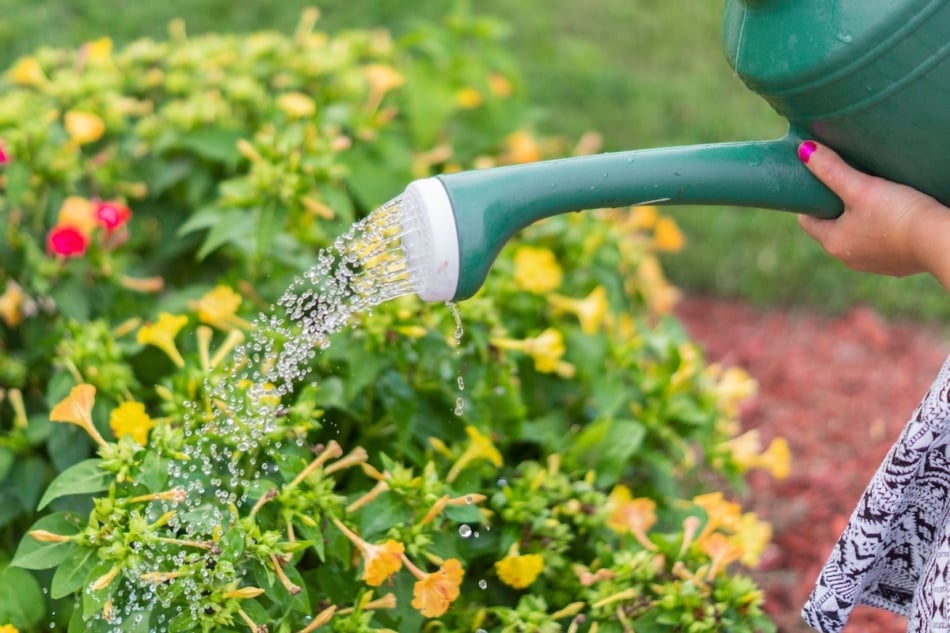
July is the month when gardens reward steady care. The key is to water deeply, harvest often, and scout early for pests and disease.
Water in the early morning when possible, and water deeply rather than giving plants a shallow sprinkle. A 2- to 3-inch layer of mulch helps conserve moisture, moderate soil temperature, and suppress weeds. Keep mulch pulled back slightly from plant stems to reduce rot and pest problems.
This is also prime time to check the undersides of leaves for aphids, cabbage worms, Japanese beetles, powdery mildew, and other midsummer troubles. Catching problems early is much easier than trying to rescue a stressed plant later.
What to Harvest in July
Depending on your region, July gardens may be producing:
- Tomatoes
- Cucumbers
- Zucchini and summer squash
- Green beans
- Peppers
- Sweet corn
- Basil and other herbs
- Blueberries, raspberries, and other summer fruits
Harvest vegetables regularly. Frequent picking encourages many plants, especially beans, cucumbers, and summer squash, to keep producing.
Plant Now for a Fall Harvest
As spring crops fade, make room for succession plantings. In many areas, July is a good time to sow quick-growing crops such as lettuce, spinach, radishes, green beans, and cilantro for a later harvest. Late July into early August is also a good window in many regions for fall crops such as broccoli, kale, carrots, beets, and cabbage. Always adjust planting dates for your local first frost date.
Seasonal Eating: What’s Fresh in July
July is one of the best months for eating locally and seasonally. Look for sweet corn, tomatoes, cucumbers, green beans, summer squash, zucchini, blueberries, cantaloupe, peaches, watermelon, and peppers. Availability varies by region, but midsummer farmers markets are usually at their most colorful now.
This is also a fine month for preserving the harvest. Freeze berries, pickle cucumbers, dry herbs, and put up tomato sauce when the garden gives more than the table can handle.

July on the Water
Whether you are boating, paddling, fishing, or swimming, July weather deserves respect. Check the forecast before heading out, watch for darkening clouds, and get off the water when thunder is heard. A properly fitted, U.S. Coast Guard-approved life jacket should be available for every person aboard, and wearing one is among the simplest and most effective boating safety habits.
Hot sun, reflected glare, and humid air can also sneak up on you. Bring water, sunscreen, a hat, and a plan for shade.
July Weather Lore
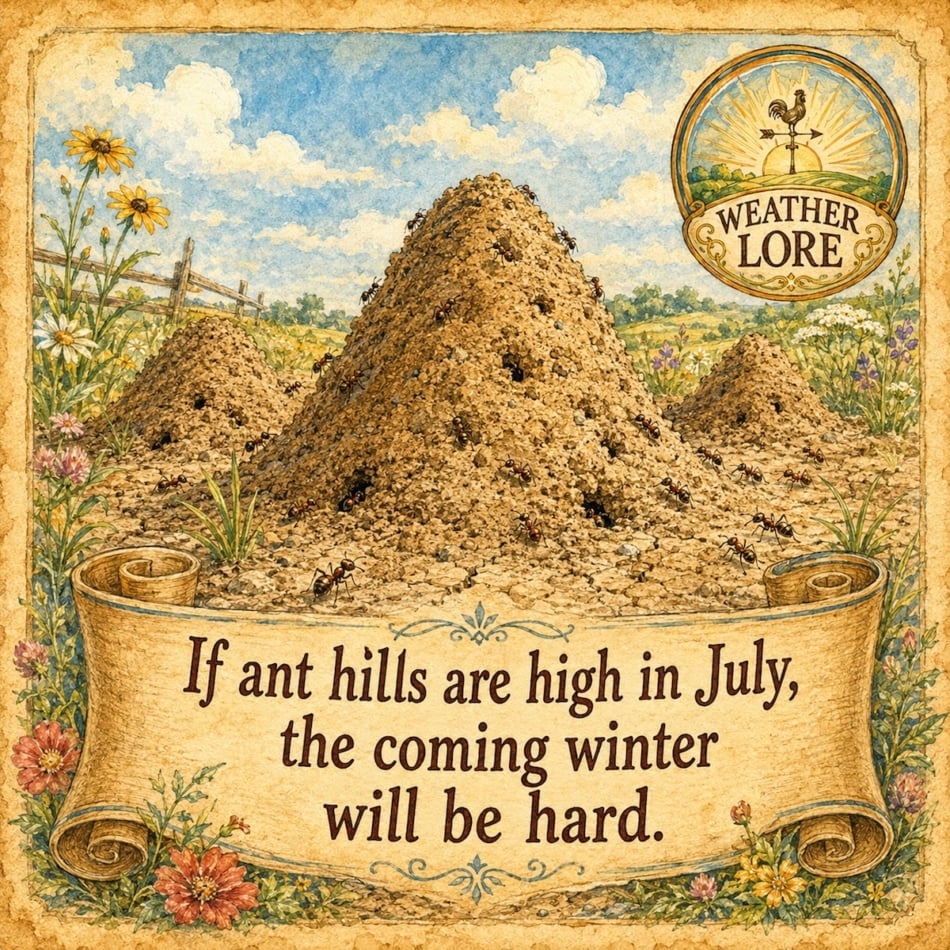
Folklore is not a modern forecast, but it does connect us with generations of close observation. Here are two old July sayings to keep in mind:
“If ant hills are high in July, the coming winter will be hard.”
“A rainbow in the morning is the shepherd’s warning.”
The first belongs to old insect-weather lore, while the second reflects a practical truth about weather moving in from the west in many mid-latitude regions. Either way, July is a good month to notice what the sky, soil, insects, birds, and plants are doing.
Make the Most of July 2026
July asks us to slow down and look around. Watch the Full Buck Moon rise golden over the trees. Pick tomatoes while they are warm from the sun. Sit outside after dark and trace the Summer Triangle. Listen to the first rumbles of a far-off thunderstorm. Put up a few jars of pickles or freeze a basket of berries for winter.
The days are long, the gardens are generous, and midsummer never lasts quite as long as we think it will. Happy July, and happy high summer.

- Tim Konrad

- Tim Konrad
- Tim Konrad
- Tim Konrad