Is Your Garden Getting Too Much Water? 9 Signs You’re Overwatering

Think your garden needs more water during Summer heat? Think again.
When temperatures soar, it’s natural to assume your plants need as much water as possible. But surprisingly, overwatering is one of the most common mistakes gardeners make in July. Too much water can suffocate roots, encourage fungal diseases, attract pests, and leave plants looking just as wilted as if they were thirsty.
Knowing how to spot the warning signs can help keep your vegetable garden, flower beds, and landscape healthy through the hottest part of summer.
RELATED: Farmers’ Almanac Planting Calendar
Why Overwatering Is a Bigger Problem Than You Think
Plant roots need more than water—they also need oxygen. When soil stays constantly saturated, air pockets disappear, making it difficult for roots to breathe. Over time, roots can weaken or rot, leaving plants unable to absorb the water and nutrients they need.
Ironically, an overwatered plant often looks like it needs even more water.
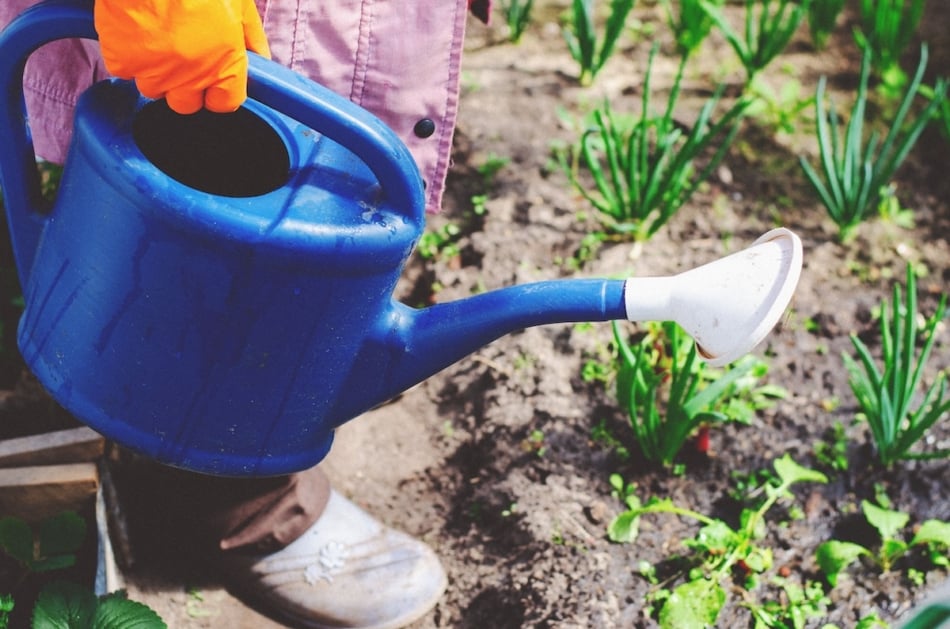
9 Signs You’re Overwatering Your Garden
1. Leaves Are Yellowing
One of the earliest warning signs is yellow leaves, especially if the soil feels consistently damp.
While nutrient deficiencies can also cause yellowing, overwatering often affects the lower leaves first and may be accompanied by soft stems or soggy soil.
2. Wilting Even Though the Soil Is Wet
If your plants are drooping but the ground is still moist several inches below the surface, don’t reach for the hose.
Overwatered roots struggle to take up moisture, causing plants to wilt despite having plenty of water available.
3. Mushy or Soft Stems
Healthy stems should feel firm.
Soft, mushy stems—particularly near the soil line—can signal rot caused by excessive moisture.
4. Mold, Mildew, or Mushrooms
Seeing mushrooms pop up around your plants?
While not always harmful, mushrooms, mold, and powdery mildew thrive in overly wet conditions and often indicate your soil is staying damp for too long.
5. Slow Growth
Too much water limits oxygen in the soil, slowing root development.
Plants may stop producing new flowers, fruits, or leaves even during peak growing season.
6. Cracked or Splitting Tomatoes
Tomatoes are especially sensitive to inconsistent watering.
Heavy watering after the soil has partially dried can cause fruits to swell too quickly, leading to split skins.
Aim for steady, even soil moisture rather than alternating between very dry and very wet conditions.
7. Brown Leaf Tips
Brown edges aren’t always a sign of drought.
When roots become damaged from excess water, plants can’t absorb nutrients properly, causing leaf tips to brown.
8. Swarms of Fungus Gnats
Tiny black flies hovering around your plants often indicate constantly wet soil.
Fungus gnats lay eggs in moist growing media, and their larvae feed on decaying organic matter and tender roots.
9. A Sour or Musty Smell
Healthy garden soil has a fresh, earthy aroma.
If your soil smells sour, swampy, or rotten, it may be staying waterlogged long enough for harmful bacteria to thrive.
How Often Should You Water in July?
There’s no one-size-fits-all schedule.
The right amount depends on:
- Your soil type
- Recent rainfall
- Air temperature
- Wind
- Humidity
- Whether plants are in containers or in the ground
As a general rule, most established gardens perform better with deep, infrequent watering rather than light daily watering.
A good goal is about 1 inch of water per week, including rainfall, though vegetables and container plants often need more during prolonged hot spells.
The Finger Test Still Works Best
Before watering, simply push your finger about 2 inches into the soil.
- If it feels dry, it’s time to water.
- If it’s still cool and moist, wait another day.
This simple habit can prevent many watering mistakes.
Water Early for Healthier Plants
The best time to water is early in the morning.
Morning watering allows moisture to soak into the soil before the day’s heat arrives while giving leaves time to dry, reducing the risk of fungal diseases.
Watering in the heat of the afternoon leads to greater evaporation, while watering late in the evening can leave foliage damp overnight.
An Old Gardening Saying
Gardeners have long relied on simple wisdom passed down through generations. One old saying reminds us:
“Water the roots, not the leaves.”
Directing water at the base of plants instead of overhead helps conserve water and reduces the spread of many common plant diseases.
The Bottom Line
In July, it’s easy to assume every drooping plant needs another drink. But overwatering can be just as damaging as drought.
Learning to recognize the signs of excess moisture—and checking the soil before reaching for the hose—can help your garden stay healthier, produce better harvests, and thrive through the hottest weeks of summer.
Whether you’re growing tomatoes, flowers, herbs, or a backyard vegetable patch, a little restraint with the watering can often goes a long way.
Frequently Asked Questions
Can overwatered plants recover?
Yes. If caught early, allowing the soil to dry slightly and improving drainage can help many plants recover before permanent root damage occurs.
Is it better to water every day during a heat wave?
Usually not. Most established plants benefit from deep watering a few times a week rather than shallow daily watering. Container plants may be an exception and often require more frequent watering.
What is the best time of day to water a garden?
Early morning is generally the best time because it reduces evaporation and allows foliage to dry quickly.
How can I tell if my soil is still moist?
Insert your finger about 2 inches into the soil. If it feels cool and moist, you can usually wait before watering.


- Farmers' Almanac Staff

- Farmers' Almanac Staff
- Farmers' Almanac Staff
- Farmers' Almanac Staff