Buying Pumpkins Now? How to Keep Them From Rotting Before Halloween
Buying pumpkins in September? A few smart choices can help your fall display last longer. Learn how to choose a healthy pumpkin, prevent damage, store it properly, and save the carving for Halloween week.

Ready to decorate for fall? A little care at the pumpkin patch—and a little patience with the carving knife—can help your pumpkins last until trick-or-treat night.
You find the perfect pumpkin: just the right shape, a handsome stem, and a color that looks wonderful beside the front-door mums. But with Halloween still weeks away, there is one question worth asking before you fill the wagon: Will it last?
A healthy, uncarved pumpkin can last until Halloween when purchased in September—but where you keep it and how you handle it matter. Oregon State University Extension says pumpkins can keep for about two to three months under suitable storage conditions. That is not a guarantee for every pumpkin on a sunny porch, however, and it does not mean the clock starts over when you bring one home.
The goal is simple: choose a sound pumpkin, protect its rind, keep it cool and dry, and save the jack-o’-lantern transformation for later.
Choose a Pumpkin That Is Firm All Over
A pumpkin’s shape may catch your eye, but its condition should make the final decision.
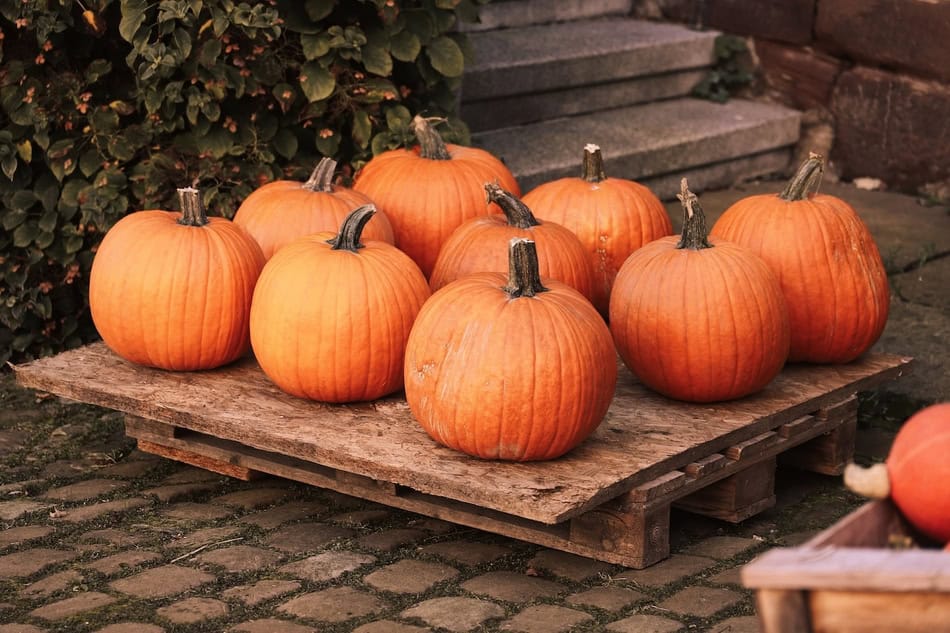
Iowa State University Extension recommends choosing pumpkins that feel firm and heavy for their size, with a portion of the stem still attached. Avoid deep blemishes and soft spots. Before buying, gently turn the pumpkin so you can inspect the bottom, too—not just the side facing the aisle. A beautiful front does not make up for a soft underside.
Look closely around the stem and along the ribs for cracks, punctures, or damaged areas. The rind should feel solid rather than spongy, and the stem should be firmly attached. Cuts and bruises can give decay-causing organisms an opening, so choosing an undamaged pumpkin is an important first step toward a longer-lasting display.
Think of pumpkin shopping as produce shopping, not just picking out a decoration.
Carry It From the Bottom—Not by the Stem
That sturdy-looking stem is not a carrying handle.
Support the pumpkin underneath with both hands. A stem can snap under the fruit’s weight, leaving damage that makes the pumpkin more vulnerable to rot. On the ride home, keep pumpkins from rolling around or knocking into one another; a box can help hold them in place.
Be equally gentle when arranging them at home. Dropping a pumpkin onto a step or stacking several into an unstable tower can undo the careful selection you made at the patch. Oregon State advises handling pumpkins gently and avoiding piles that can cause damage.
Clean Off the Dirt, Then Dry It Thoroughly
Once home, remove the field dirt before settling your pumpkin into its fall display.
Iowa State’s produce guidance recommends rinsing pumpkins under cool running water and drying them with a clean towel. Pay attention to the underside and the grooves where water can linger.
The important follow-through is drying. Good air circulation helps prevent moisture from accumulating on pumpkin surfaces, where it can encourage decay. Do not put a freshly washed pumpkin straight into a damp arrangement and assume the washing alone will preserve it.
Give It a Cool, Dry Place With Breathing Room
For long-term storage of whole pumpkins, Iowa State recommends temperatures around 50–55°F, along with a dry location and good ventilation. Pumpkins should sit in a single layer without touching one another. Crowding them into piles can trap heat and interfere with airflow.
A cool storage room or garage may work, provided it actually stays within a suitable temperature range and is not damp. Shelving can help keep pumpkins off the floor. Check the conditions rather than assuming any garage is automatically a good storage space.
For a decorative display, use those storage principles as your guide: leave a little space between pumpkins and choose a location that does not stay wet.
That overflowing basket may look lovely, but an airy arrangement is a better choice when longevity is the priority.
RELATED: 12 Traditional Halloween Crafts to Make at Home in 2026
Protect Porch Pumpkins From Hot Sun, Rain, and Freezing Weather
There is a difference between storing a pumpkin and displaying it outdoors.
University of Minnesota Extension notes that decorative pumpkins and related squash can begin decaying when left in rain or hot sun. A sheltered, shaded part of the porch is therefore a better choice than an exposed step that gets soaked during every storm or bakes in afternoon sunshine.
A practical approach is to make the display movable. During a warm spell or prolonged rain, shift your pumpkins to a cooler, dry location rather than leaving them outside simply because the calendar says fall.
Watch for freezing weather, too. Freezing damages pumpkin tissue, and once that tissue thaws, decay can progress quickly. Bring pumpkins into a protected location before a freeze rather than relying on their thick-looking rind to shield them.
Buy Early, but Carve Late
Whole pumpkins and carved pumpkins have very different life spans.
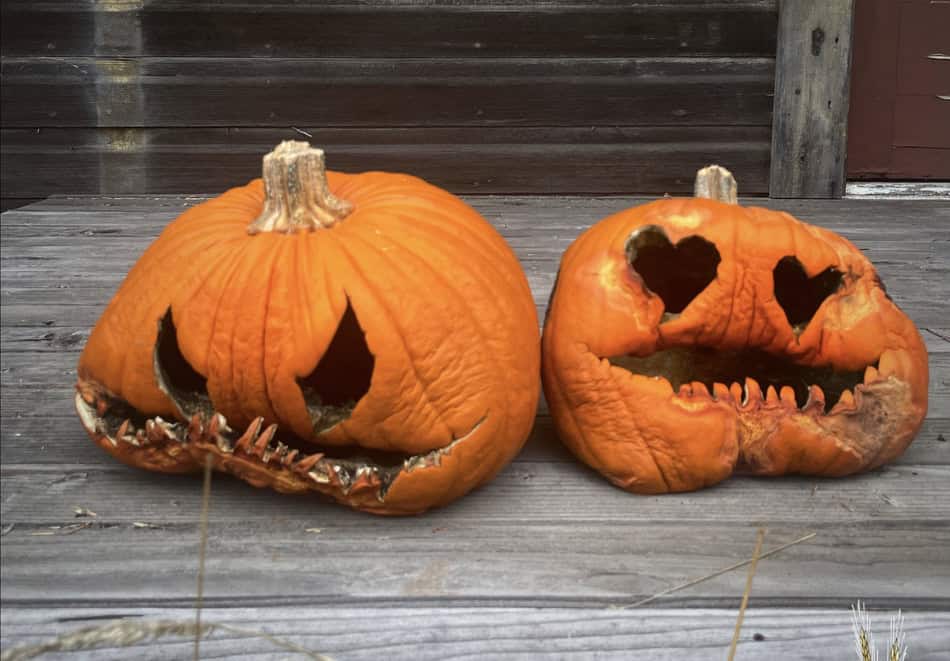
Carving breaks through the protective rind and exposes the interior to conditions that favor decay. South Dakota State University Extension notes that carved pumpkins may start discoloring, collapsing, or developing an unpleasant odor within just a few days.
For a pumpkin you want looking its best on Halloween night, a practical plan is to carve on October 29 or 30, or on Halloween itself during warm weather. Treat that as a scheduling suggestion, not a promise of a particular number of fresh-looking days. Minnesota Extension specifically recommends saving carving until closer to Halloween because warm weather can quickly spoil a jack-o’-lantern.
When carving day arrives, start with clean tools, remove the seeds and stringy material thoroughly, and use a battery-powered light instead of a candle. An electric light avoids adding the candle heat that can accelerate deterioration inside the pumpkin.
Until then, let the whole pumpkin be the decoration.
Know When It Is Time to Remove a Pumpkin
Make checking the pumpkins part of your fall routine. Look underneath them as well as around the sides.
Soft, sunken areas, spreading dark patches, an unpleasant odor, or collapsing flesh are signs of decay—not something a fresh coat of decoration will fix. Rot can develop without a conspicuous covering of fuzzy mold, so do not use mold alone as your test. Remove deteriorating pumpkins promptly from the rest of the display.
When a pumpkin’s decorating days are over, composting offers a useful next step. Illinois Extension encourages composting pumpkins and jack-o’-lanterns after removing candles, paint, and other non-compostable decorations. Check the requirements of your local collection or pumpkin-composting event before dropping off decorated pumpkins.
The Best Plan for a Long-Lasting Fall Display
There is no need to wait until the last week of October to enjoy pumpkins. Start with healthy, undamaged fruit, handle it gently, and give it a cool, dry place with good airflow. Those basic precautions support longer storage far better than neglecting the pumpkin until carving night.
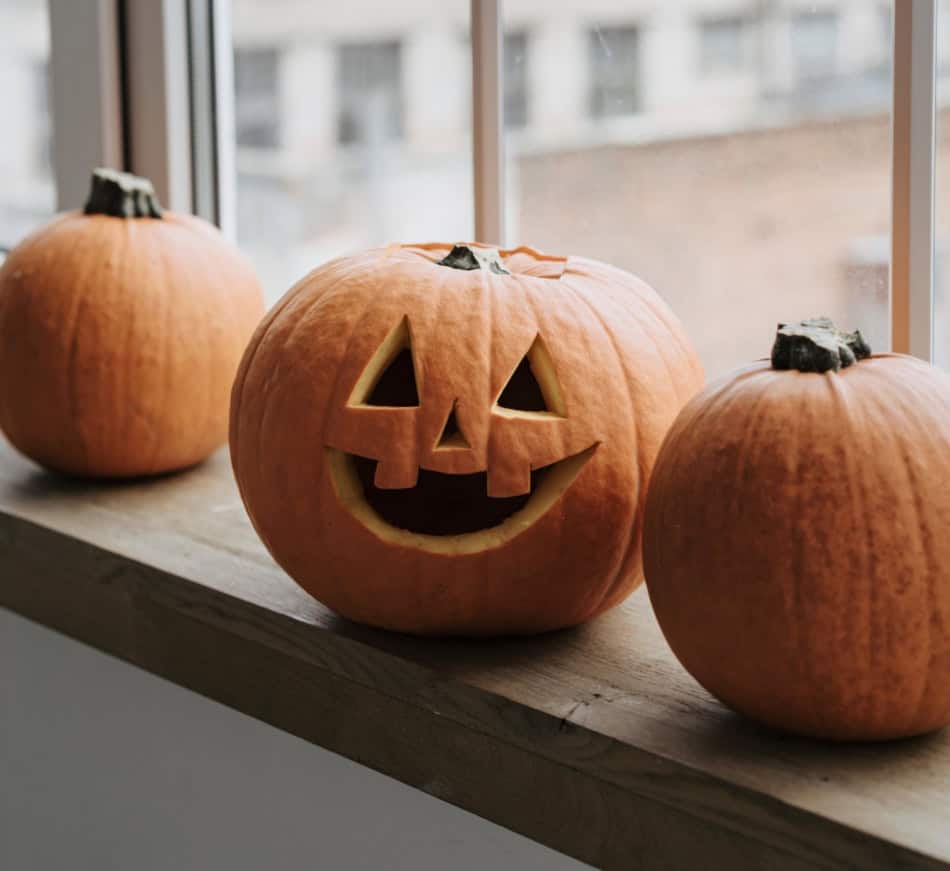
Then save the crooked grin and triangle eyes for Halloween week.
Decorate now. Carve later.


- Farmers' Almanac Staff

- Farmers' Almanac Staff
- Farmers' Almanac Staff
- Farmers' Almanac Staff