Is It Actually Dangerous To Shower During Lightning Storms? Here’s What the Experts Say
Metal pipes can conduct electricity especially well, but plastic pipes do not eliminate the risk.

Is It Safe to Shower During a Thunderstorm?
Every year, about 25 million cloud-to-ground lightning strikes occur in the United States. The odds of being struck in any given year are low (less than 1 in 1 million) but the consequences can be severe: about 1 in 10 people struck by lightning die. While being indoors is much safer than being outside, it is not entirely risk free. About one-third of lightning injuries occur indoors.
Why showering during a storm is dangerous
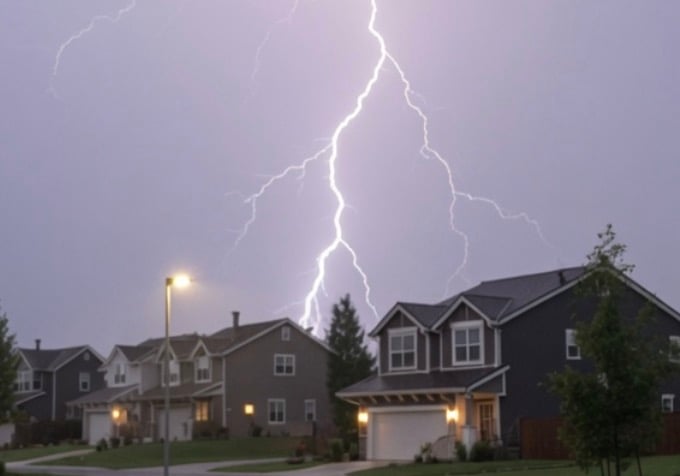
When lightning strikes a house, electrical current can travel through the building’s wiring or plumbing on its way toward the ground. That means current may move through pipes and water, potentially reaching a faucet or showerhead.
The CDC and The Cleveland Clinic offer the same practical advice: stay away from plumbing during thunderstorms. Do not shower, bathe, wash dishes, do laundry, or wash your hands until the storm has passed. Metal pipes can conduct electricity especially well, but plastic pipes do not eliminate the risk because the water inside them can also conduct electricity.
Other indoor precautions
Plumbing is not the only indoor hazard during a lightning storm. Because electrical wiring can also carry current, it is important to:
- Avoid corded landline phones. Cell phones and cordless phones that are not plugged into a charger are generally safe to use.
- Stay away from devices plugged into electrical outlets, including desktop computers and corded appliances.
- Keep away from windows, doors, porches, and balconies.
- Do not lean against concrete walls or lie on concrete floors, since concrete may contain metal reinforcement bars that can conduct electricity.
Apartment dwellers and high-rise residents should take the same precautions. Larger buildings may have more routes for electrical current to travel and may include lightning-protection systems, but those measures do not remove all risk. Avoid contact with plumbing, wiring, and corded electronics during a thunderstorm.
When it is safe to shower again
Lightning can strike well outside the area of visible rain or cloud cover, sometimes as far as 10 miles from a thunderstorm. If you can hear thunder, you are close enough to be at risk.
Wait at least 30 minutes after the last rumble of thunder before showering or resuming other plumbing-related activities.
Outdoor lightning safety
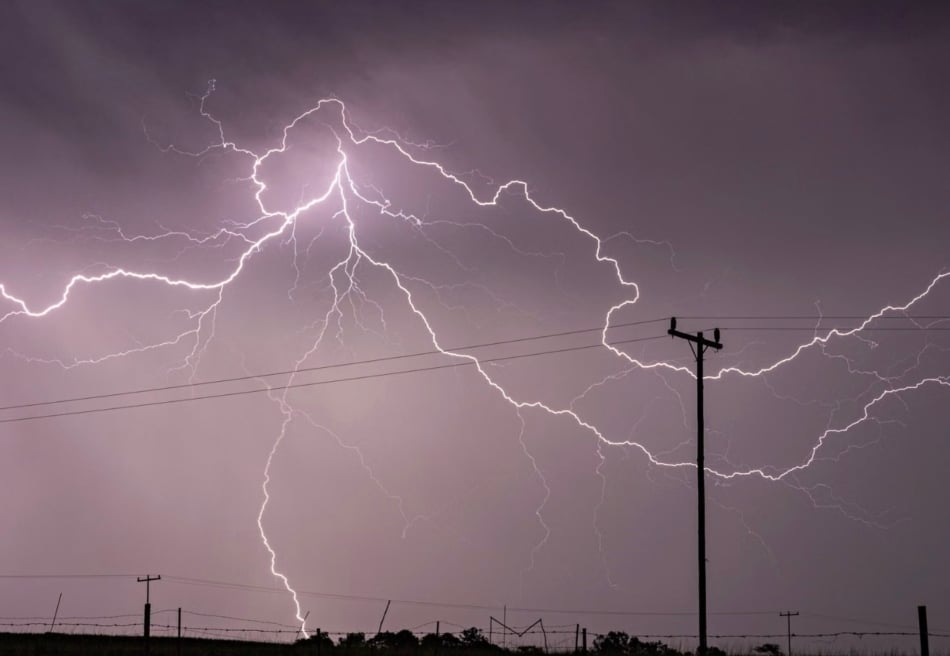
If you are caught outside during a lightning storm, immediately move to safe shelter. Do not wait until you see lightning: if you hear thunder, seek shelter in a substantial building with electricity or plumbing, or in a vehicle with the windows closed. Open structures such as gazebos, picnic shelters, porches, and small sheds are not safe.
If no safe shelter is available, remember that there is no completely safe place outdoors during a thunderstorm. Get off elevated areas such as hills, ridges, and peaks; move away from water; avoid fences, power lines, and antennas; and do not shelter under an isolated tree, a cliff, or a rocky overhang. Never lie flat on the ground.
Lightning can injure someone without a direct hit. A “side flash” occurs when current jumps from a struck object, such as a tree, to a nearby person. “Ground current” can spread outward through the ground from a strike point. “Upward streamers” are electrical discharges that can rise from objects near the ground.
The idea that lightning never strikes the same place twice is a myth. Lightning can strike the same location repeatedly, particularly tall structures and exposed objects. A previously struck object offers no added protection.
What a lightning strike does to the body
Lightning can heat the surrounding air to temperatures far hotter than the Sun’s surface. It can cause burns, including burns that occur when moisture on the skin rapidly turns to steam.
Lightning injuries can include:
- Cardiac arrest or respiratory arrest
- Nerve damage that may lead to seizures, memory problems, sleep disturbances, or persistent tingling sensations
- Burns, including steam burns
- Vision problems, including cataracts, retinal injury, or bleeding inside the eye
- Hearing loss or ruptured eardrums
- Blunt trauma caused by being thrown or falling after a strike
What to do if someone is struck
It is safe to touch someone who has been struck by lightning. Their body does not retain an electrical charge. If you witness someone get struck by lightning:
- Call 911 immediately.
- Move the person only if they are in immediate danger, such as near water, a power line, or an exposed area.
- If the person is unresponsive and is not breathing normally, begin CPR if you are trained, or follow the emergency dispatcher’s instructions.
- Use an automated external defibrillator, or AED, if one is available.
Lightning can stop a person’s heart or breathing, so prompt CPR and AED use can be lifesaving while emergency responders are on the way.
The bottom line
Whether you are indoors or outdoors, thunderstorms require caution. When you hear thunder, postpone the shower and avoid plumbing until 30 minutes after the last rumble.


- Farmers' Almanac Staff

- Farmers' Almanac Staff
- Farmers' Almanac Staff

- Farmers' Almanac Staff