The Best Week for Stargazing This Summer Is Almost Here
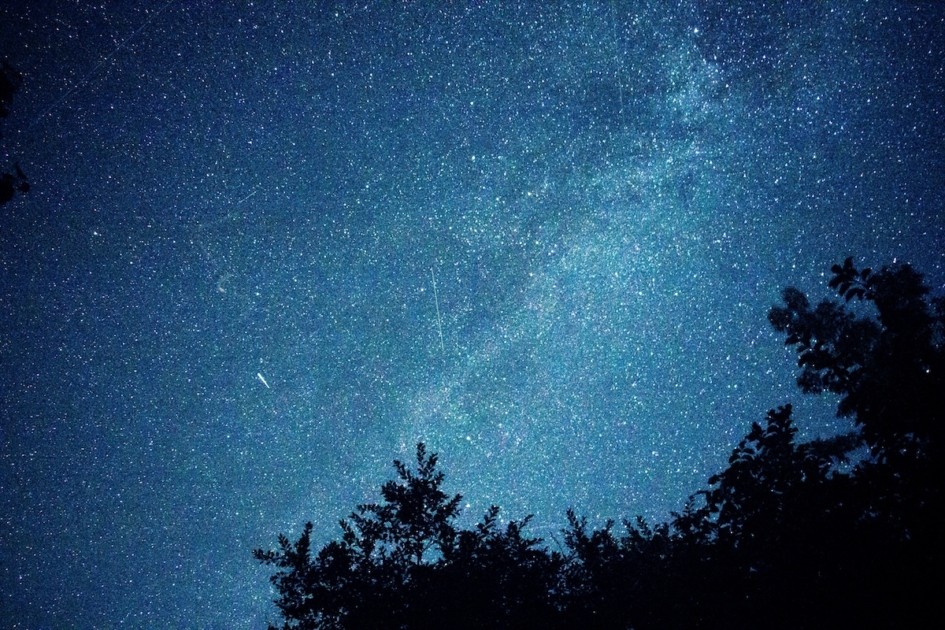
If you’ve been waiting for the perfect excuse to spread out a blanket, look up, and enjoy the night sky, your chance is almost here.
The best week of summer for stargazing in 2026 falls between July 14 and July 20, with July 15–18 offering the darkest skies of the season. Thanks to the New Moon on July 14 at 5:43 a.m. EDT, the Moon will be absent from the evening sky, allowing thousands of stars—and even the Milky Way—to shine at their brightest.
Whether you’re an experienced astronomer or simply enjoy spending a warm summer evening outdoors, this is one of the finest opportunities of the year to reconnect with the night sky.
Related: Expert Tips for Skywatchers From NASA
Why New Moon Means Better Stargazing
The Moon is beautiful, but it’s also the biggest source of natural light pollution. Around the Full Moon, its bright glow washes out many of the fainter stars and deep-sky objects.
During the days surrounding a New Moon, however, the Moon rises and sets with the Sun, leaving the night sky wonderfully dark. This makes it much easier to see:
- The Milky Way
- Thousands of faint stars
- Star clusters
- Nebulae
- Galaxies
- Satellites crossing overhead
- Occasional meteors
If you’ve ever wondered why astronomers get excited about a New Moon, this is why.
The Milky Way Takes Center Stage
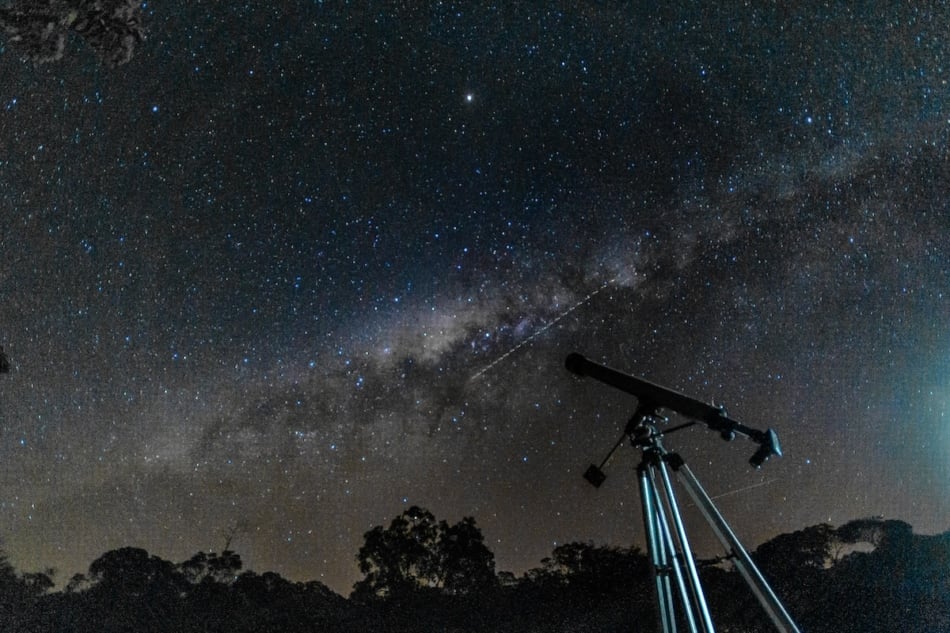
Mid-July is one of the best times of year to see the Milky Way across much of North America.
As darkness falls, a hazy band of light stretches across the sky. That glow isn’t a cloud—it’s our own galaxy viewed from the inside, containing billions of distant stars.
From a dark location away from city lights, the Milky Way can appear bright enough to cast a faint shadow on exceptionally clear nights.
What Else You’ll See
The week offers much more than just dark skies.
The Summer Triangle
Look overhead for one of the easiest star patterns to recognize. The Summer Triangle is formed by three brilliant stars:
- Vega
- Deneb
- Altair
Although called a triangle, it isn’t an official constellation. Instead, it’s an asterism—a recognizable pattern that serves as a helpful guide to the summer sky.
Scorpius and Sagittarius
Face south after full darkness and look low above the horizon.
You’ll find Scorpius, recognizable by its curved tail and bright red star Antares. Nearby lies Sagittarius, often described as looking like a teapot.
These constellations point toward the brightest and richest part of the Milky Way, filled with dense star clouds, glowing nebulae, and countless star clusters.
Early Meteor Activity
Although the Perseid Meteor Shower won’t peak until August, its first meteors begin appearing in mid-July. You may also catch a few early Southern Delta Aquariid meteors.
Even spotting a handful of shooting stars is an exciting bonus during an evening under dark skies.
How to Get the Best View
A little preparation goes a long way.
For the best experience:
- Find a location away from city lights.
- Let your eyes adjust to the darkness for about 20 minutes.
- Avoid looking at your phone. If you need a flashlight, use a red-light mode to preserve your night vision.
- Bring a reclining chair or blanket so you can comfortably look overhead.
- Check the weather forecast before heading out.
Binoculars aren’t necessary, but even a simple pair can reveal star clusters and countless additional stars invisible to the naked eye.
The Best Time to Go Outside
While stars become visible shortly after sunset, the darkest skies arrive later in the evening.
Plan your viewing between 10:30 p.m. and 2:00 a.m. local time, when the Milky Way is highest and the sky is at its darkest.
Don’t Miss Summer’s Darkest Skies
The stretch from July 15 through July 18 offers some of the finest stargazing conditions of the entire summer.
With no bright Moon to interfere, you’ll enjoy brilliant stars, the glowing Milky Way, familiar constellations, and perhaps even a few meteors streaking overhead.
So grab a lawn chair, head somewhere dark, and spend a little time looking up. You might be surprised by just how much there is to see.

- Tim Konrad

- Tim Konrad
- Tim Konrad
- Tim Konrad