Why Do Birds Sing More at Dawn?

If you’ve ever stepped outside just before sunrise, you’ve probably been greeted by a remarkable symphony of chirps, whistles, trills, and songs. This daily performance, known as the dawn chorus, is one of nature’s most beautiful traditions—and it’s far more than birds simply welcoming a new day.
So why do birds sing so enthusiastically at dawn?
Related: Why Do Fireflies Glow?
What Is the Dawn Chorus?
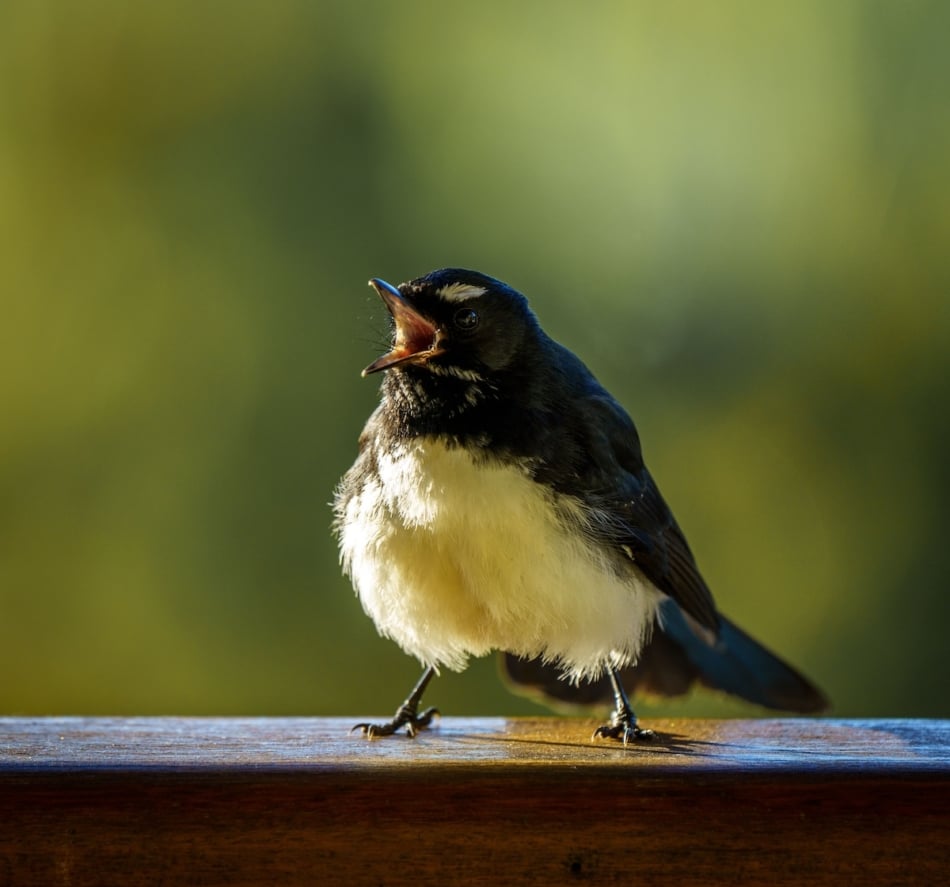
The dawn chorus is the burst of bird song that occurs during the hour before and after sunrise, especially in spring and early summer. During this time, dozens of species may sing at once, creating a rich soundtrack that can seem almost orchestrated.
While birds may sing throughout the day, the early morning is when their voices are at their loudest and most frequent.
Cooler Morning Air Helps Sound Travel
One reason the dawn chorus is so noticeable is that cool, calm morning air carries sound more effectively than the warmer, turbulent air later in the day.
Before the Sun has had a chance to heat the ground, the atmosphere is generally more stable. With less wind and fewer competing sounds from insects, traffic, and human activity, birds’ songs can travel greater distances. This allows them to communicate with rivals and potential mates over a much larger area.
In other words, birds are singing when they know they’ll be heard.
Birds Are Defending Their Territory
For many songbirds, the dawn chorus serves as an announcement:
“This territory is occupied.”
Male birds sing to let neighboring birds know they have already claimed a nesting area. A strong, consistent song can discourage rivals from moving in without the need for a physical confrontation.
The louder and more energetic the performance, the stronger the signal.
Singing Helps Attract a Mate
The dawn chorus also plays an important role in courtship.
Many female birds choose mates based partly on the quality and complexity of a male’s song. A bird that sings frequently, loudly, and with a wide variety of notes may be demonstrating that he is healthy, experienced, and capable of defending a territory.
For many species, sunrise is prime time for making a good first impression.
Why Don’t Birds Feed First?
You might wonder why birds spend precious morning time singing instead of searching for breakfast.
At dawn, there is often less light, making it more difficult to spot insects or seeds. Rather than wasting energy looking for food they can’t easily find, many birds take advantage of the quiet conditions to sing. Once the Sun rises higher and visibility improves, they shift their attention to feeding.
Which Birds Join the Dawn Chorus?
The exact lineup depends on where you live, but common dawn singers include:
- American Robin
- Northern Cardinal
- Song Sparrow
- House Finch
- Carolina Wren
- Wood Thrush
- Black-capped Chickadee
- Eastern Towhee
- Common Blackbird (in Europe)
Some species even have preferred “time slots,” with robins and blackbirds often beginning before sunrise and other birds joining in as daylight increases.
When Is the Dawn Chorus at Its Best?
The dawn chorus is most impressive during spring and early summer, when birds are establishing territories, building nests, and raising young.
To experience it for yourself:
- Wake about 30 to 60 minutes before sunrise.
- Visit a local park, forest, wetland, or your own backyard.
- Spend a few quiet minutes simply listening before the rest of the world wakes up.
You may be surprised by just how many different species are singing around you.
A Morning Tradition Worth Listening To
For generations, early risers have associated the dawn chorus with the arrival of a beautiful day. While folklore often celebrated birds as cheerful heralds of sunrise, modern science tells us there’s a practical reason behind the music.
The cool morning air helps their songs travel farther, while the quiet hours before breakfast provide the perfect opportunity to defend territory and attract mates.
The next time you’re awakened by birds before dawn, remember: you’re listening to one of nature’s oldest daily conversations.

- Tim Konrad

- Tim Konrad
- Tim Konrad
- Tim Konrad