

What to Plant This Fall: A Region-by-Region Guide to Cool-Weather Crops
The tomato vines may be winding down, but your vegetable garden doesn’t have to. Fall is a good time to grow crisp radishes, leafy greens, sweet carrots, and other crops that prefer cooler weather. The key is to choose plants for your climate: a gardener in Maine has a very different planting window from one in Florida.
Here’s what to plant this fall across the United States, and how to tell whether there’s still time where you live.
First, find your fall planting window
Look up your average first frost date, then check the “days to maturity” on your seed packet. Count backward from that date, allowing extra time as fall days grow shorter. A frost date is an average, not a promise: cold weather can arrive early, and an unusually warm autumn can stretch your harvest.
Planting in late September? In colder regions, focus on quick crops you can harvest young, such as radishes and baby greens, or plant garlic for next summer. Broccoli, cabbage, and full-size carrots usually need an earlier start. In milder regions, the cool-season planting window is just opening.
| Your region | What to plant this fall | Timing to keep in mind |
|---|---|---|
| Northern states and high elevations | Radishes, baby lettuce, arugula, spinach, garlic | Many full-size fall crops need a midsummer start; protect late greens from freezes. |
| Midwest and Northeast | Radishes, lettuce, spinach, kale, turnips, garlic | Sow quick crops while the season allows; use transplants for larger crops earlier in fall. |
| Mid-Atlantic and Southeast | Collards, kale, mustard greens, lettuce, radishes, turnips, carrots | Planting often runs from late summer into fall, depending on local frost dates. |
| Pacific Northwest | Kale, spinach, lettuce, Asian greens, garlic | Start many winter-harvest crops in summer or early fall; provide good drainage during wet weather. |
| Mild West, Southwest, Gulf Coast, and Florida | Lettuce, carrots, radishes, kale, chard, broccoli transplants | Many areas can plant through fall, but heat and local conditions determine the best starting week. |
These are starting points, not state-wide planting dates. Elevation, coastal influence, and even a sheltered backyard can change your growing season.
Northern states and high elevations
In places with an early frost, late September is often too late to start a large broccoli head or a mature cabbage from seed. Try radishes or a small patch of baby lettuce and arugula instead. You can also sow spinach where local conditions and protection allow, though a late sowing may yield in spring rather than fall.
For a crop with a longer payoff, plant garlic cloves in fall for a harvest next summer. If you’re planning next year’s fall garden, mark your calendar for midsummer: University of Minnesota Extension recommends starting many fall root crops and brassicas well before autumn arrives.
Midwest and Northeast
In much of the Midwest and Northeast, September can still offer time for radishes, salad greens, spinach, and turnips. If you started kale, broccoli, or cabbage earlier, or can find healthy transplants, those plants can carry the garden further into cool weather. Kale tolerates cold far better than a frost-sensitive crop such as bush beans, though even hardy plants need time to become established.
Keep a row cover or cold frame handy when temperatures drop. A little protection can extend the harvest, but it won’t make a newly sown, long-season crop grow at summer speed.
Mid-Atlantic and Southeast
As summer heat eases, sow collards, kale, mustard greens, lettuce, radishes, turnips, beets, and carrots according to your local planting calendar. Broccoli and cabbage transplants are useful options where enough growing time remains. University of Georgia Extension lists many of these crops for fall gardens and notes that planting windows vary by location and crop.
If the soil is still hot or dry, keep newly sown beds evenly moist. Check the forecast before setting out tender transplants, and give them time to settle in before the first cold spell.
Pacific Northwest
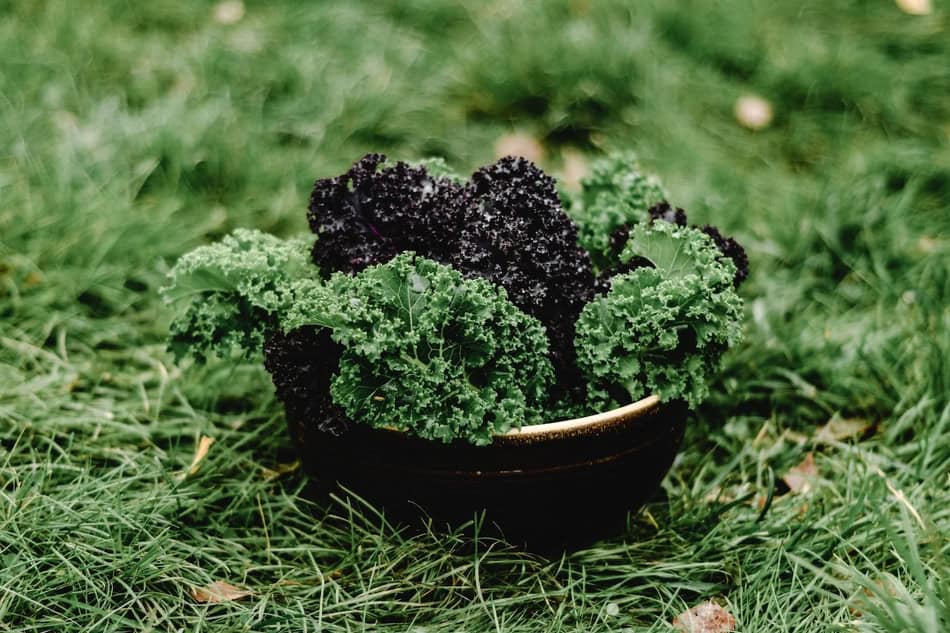
West of the Cascades, kale, spinach, lettuce, Asian greens, and other hardy vegetables can be part of a fall or winter garden. But timing matters: crops meant for winter harvest often need to reach a useful size before short days slow growth. Oregon State University Extension also emphasizes full sun and well-drained soil for winter production.
If your summer planting window has passed, look for locally grown transplants, sow quick greens where appropriate, or plant garlic for next year. Gardeners east of the Cascades should follow local frost dates rather than coastal planting advice.
Mild West, Southwest, Gulf Coast, and Florida
In many mild-winter areas, fall is the start of prime vegetable-growing weather. Depending on your location, try carrots, radishes, lettuce, kale, Swiss chard, and broccoli transplants. California extension gardeners describe September and October as planting time for greens, roots, and cabbage-family crops in suitable valleys. In the low desert, University of Arizona Extension recommends watching temperatures as summer heat fades.
Florida has its own schedule: the UF/IFAS Florida Vegetable Gardening Guide lists separate planting windows for north, central, and south Florida. For example, its fall-to-spring windows include radishes, carrots, kale, and other cool-season crops, but the best month differs across the state. Texas gardeners should likewise use a regional fall planting guide, since dates differ substantially from the Panhandle to South Texas.
Three simple ways to help a fall garden succeed
- Match the crop to the time left. Radishes and baby greens are better late-season bets than vegetables that need months to mature.
- Check the soil, not just the calendar. Seeds need consistent moisture; transplants need care while late-summer heat lingers. In rainy regions, choose a bed that drains well.
- Watch the forecast. Keep a row cover ready for cold nights, and harvest tender crops ahead of a damaging freeze.
For more crop-by-crop ideas, explore our fall vegetable planting guide. And if the frost date has already closed your harvest window, it’s not too late to plant garlic.
What should you plant this fall? Start with your local frost date, choose a crop that fits the weeks ahead, and sow a little at a time. Even one container of greens can keep the growing season going.

