Why Do People Wish Upon a Star? The Surprising History Behind This Timeless Tradition

Have you ever looked up at the first bright star of the evening and quietly made a wish?
You’re certainly not alone. For thousands of years, people around the world have believed that wishing upon a star could bring good fortune, happiness, or even make dreams come true. While most of us don’t expect the stars to magically grant our wishes, the tradition remains one of the world’s most cherished nighttime rituals.
But why do people wish upon a star? The answer reaches back to ancient civilizations, old folk beliefs, and even a little astronomy.
Here’s the fascinating story behind this timeless tradition.
RELATED: Zodiac Calendar – What Sign Is The Moon In?
The Ancient Origins of Wishing Upon a Star
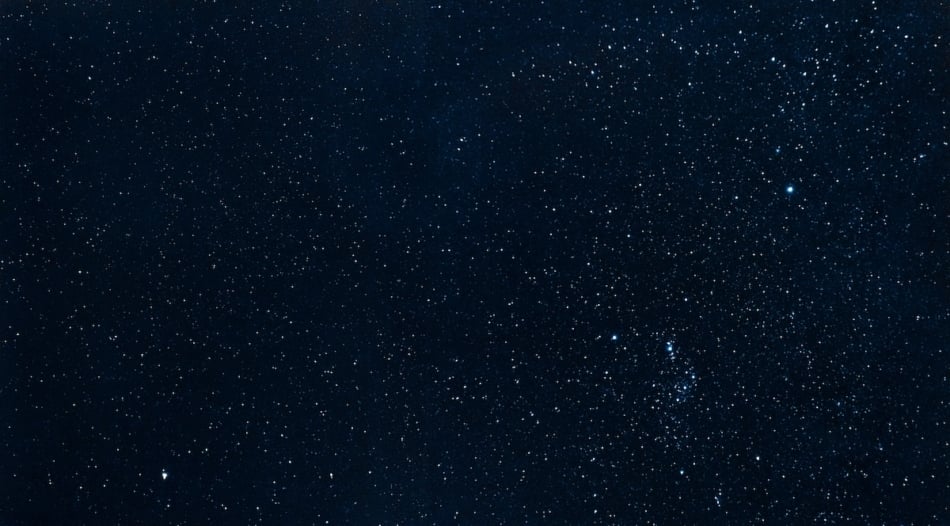
Long before telescopes existed, people viewed the night sky as a gateway to the heavens.
Many ancient cultures believed the stars were:
- The homes of gods.
- The spirits of ancestors.
- Heavenly messengers watching over Earth.
Because the stars seemed eternal and mysterious, people often prayed or made wishes while gazing into the night sky, believing their hopes could reach the divine.
The Greek Legend That Started It All
One of the earliest explanations comes from the ancient Greek astronomer Claudius Ptolemy, who lived nearly 2,000 years ago.
According to ancient belief, the gods occasionally pulled back the celestial sphere to look down upon Earth. During these rare moments, stars appeared brighter or meteors streaked across the sky.
People believed this meant the heavens were open—and that any wish made at that moment had a better chance of being heard.
Although modern astronomy has long disproved this idea, the tradition endured.
Why the First Evening Star Became Lucky
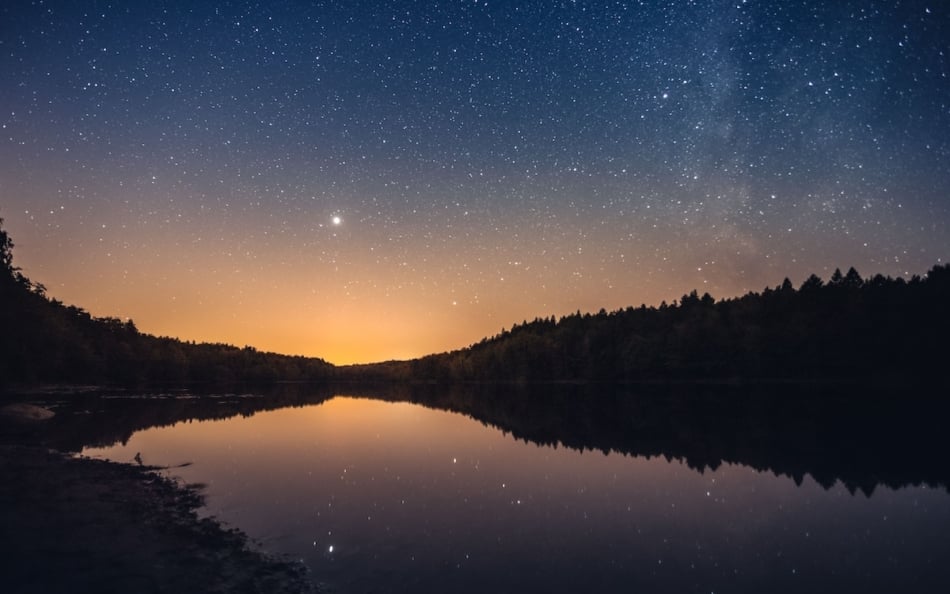
Across Britain, Ireland, and much of Europe, people developed another custom: making a wish upon the first star visible after sunset.
Interestingly, that “star” is often Venus, the brightest planet in our evening sky.
Children would eagerly watch for it before bedtime and recite a familiar rhyme:
Star light, star bright,
First star I see tonight,
I wish I may, I wish I might,
Have the wish I wish tonight.
This verse became especially popular during the late 1800s and early 1900s and is still one of the best-known children’s rhymes today.
Why Are Shooting Stars Considered Lucky?
Perhaps no celestial event inspires more wishes than a shooting star.
Of course, shooting stars aren’t actually stars—they’re tiny bits of space rock burning up in Earth’s atmosphere.
Still, many cultures viewed them as powerful signs.
Old beliefs suggested that:
- A wish made before the meteor disappeared would come true.
- Shooting stars were angels traveling across the sky.
- They represented souls moving between heaven and Earth.
- They signaled that heaven’s gates were briefly open.
Because meteors appear suddenly and vanish in seconds, they became symbols of rare opportunities—encouraging people to make their wishes quickly.
Different Wishing Star Traditions Around the World
Many cultures have their own version of wishing upon a star.
England & Ireland
People wished on the first evening star while reciting a blessing or rhyme for luck.
Italy
Some believed a shooting star carried prayers directly to heaven.
Japan
The annual Tanabata Festival celebrates the meeting of two stars, Vega and Altair. During the festival, people write wishes on colorful strips of paper and hang them from bamboo branches.
Native American Traditions
Several tribes regarded the stars as ancestors or spiritual guides and believed they connected the earthly world with the spirit world.
Is There Any Science Behind Wishing Upon a Star?
While science doesn’t support the idea that stars grant wishes, psychologists suggest the tradition can still have real value.
Making a wish encourages us to:
- Think about what truly matters.
- Clarify our hopes and goals.
- Practice optimism.
- Feel connected to something larger than ourselves.
In many ways, wishing upon a star is similar to setting an intention—a simple ritual that reminds us to keep moving toward our dreams.
A Tradition That Still Shines
Even in today’s world of satellites, smartphones, and space telescopes, millions of people still pause when they see the first bright star appear in the evening sky.
Whether you believe in old folklore or simply enjoy the ritual, wishing upon a star reminds us to slow down, look up, and imagine what could be.
Sometimes that’s all the magic we need.
Did You Know?
⭐ The “first star” people wish upon is often Venus, the brightest planet visible after sunset.
⭐ More than 25 million meteors enter Earth’s atmosphere every day—but most are too small to notice.
⭐ The famous rhyme “Star light, star bright” has been delighting children for well over a century.
The Next Time You See the First Star…
Take a moment to stop and look skyward.
Whether it’s a bright summer evening, a crisp autumn sunset, or a clear winter night, you’re taking part in a tradition that has connected generations across centuries.
And who knows?
It never hurts to make a wish.

- Tim Konrad

- Tim Konrad
- Tim Konrad
- Tim Konrad