World Migratory Bird Day Is Saturday: How to Count Birds From Your Own Yard

You don’t need a wildlife refuge, expensive binoculars, or even a particularly impressive backyard to contribute to bird science this weekend.
A kitchen window will do.
World Migratory Bird Day falls Saturday, October 10, and this year’s theme, “Every Bird Counts – Your Observations Matter!”, is built around a simple idea: ordinary bird sightings can become useful scientific information when enough people record and share what they see. The official World Migratory Bird Day campaign is encouraging people around the world to take part in community science by observing birds wherever they happen to be.
That means celebrating can be as simple as sitting outside for a few minutes, paying attention, and recording what shows up.
Why Your Backyard Birds Actually Matter
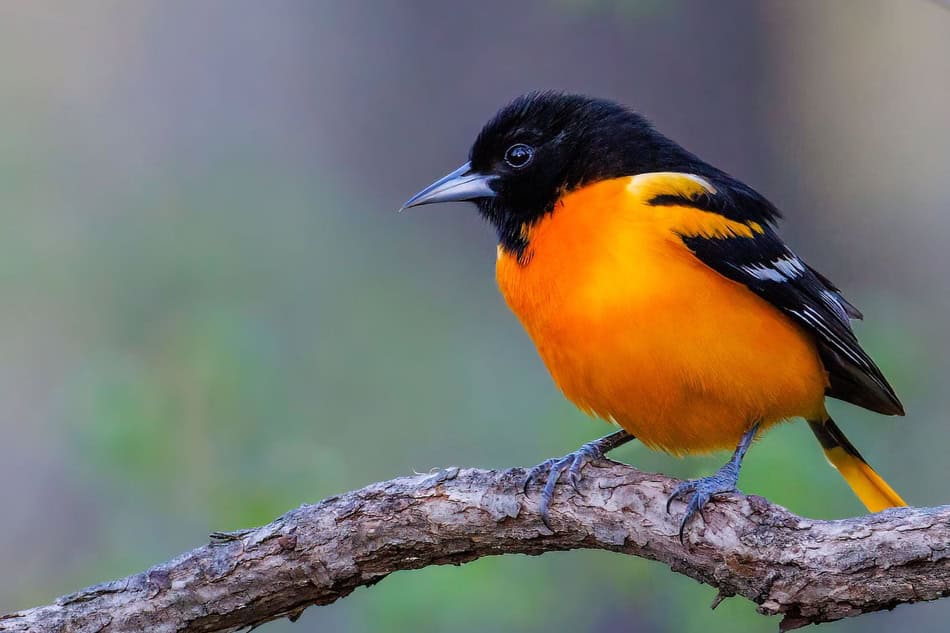
One robin in one yard may not seem scientifically important.
But combine that sighting with millions of others gathered across cities, suburbs, farms, forests, and migration routes, and researchers begin to see patterns no single observer could detect alone.
Bird observations can help reveal changes in migration timing, population trends, habitat use, and where species are appearing, or disappearing, over time.
And your yard counts. Cornell Lab’s eBird accepts observations from backyards and other everyday places. Birds flying overhead can count, too.
So whether your “birding spot” is a back step, apartment balcony, front porch, farm lane, or view through the kitchen window, you’re in business.
Try a 10- or 15-Minute Bird Count
There’s no need to turn this into an all-day expedition.
Pick one comfortable spot and spend 10 or 15 minutes really watching.
Listen before you start looking. Check the ground, shrubs, treetops, feeders, utility wires, rooftops, and open sky.
Then keep track of every wild bird you can confidently identify.
If you see three chickadees, record three. If six geese pass overhead, record six.
When a flock is too large to count bird by bird, make your best reasonable estimate. Cornell’s guidance on how to count birds for eBird explains why an estimated number is usually more useful than simply noting that a species was present.
Don’t worry about producing a perfect list. The goal is to pay attention and report what you can identify honestly.
Don’t Record Only the Exciting Birds
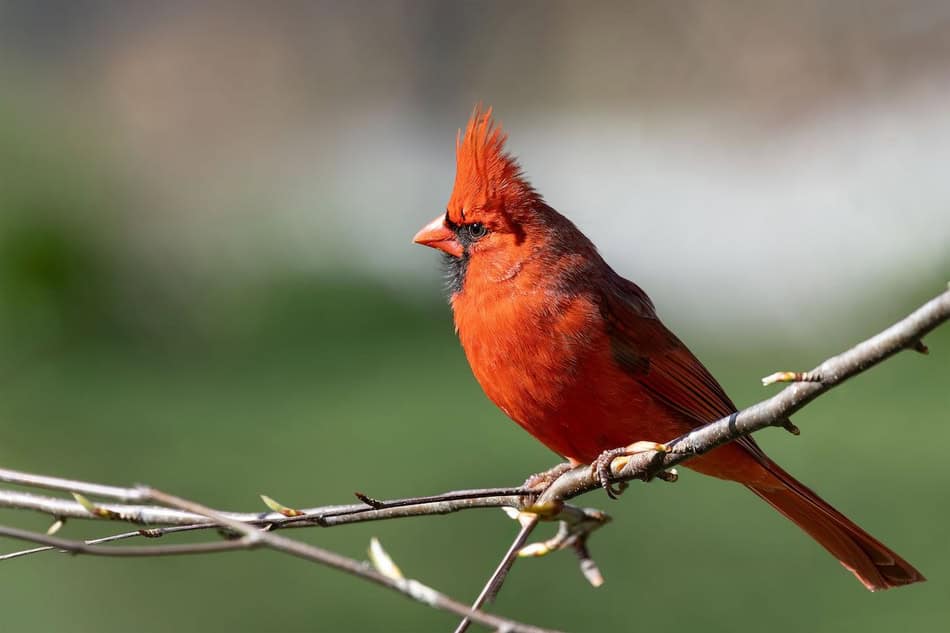
This is where a useful bird count differs from casually writing down the day’s highlights.
If you’re submitting a complete eBird checklist, include all the wild bird species you identified during your count, not just the unusual visitor that caught your attention.
The cardinal counts.
So does the pigeon.
So does the House Sparrow you see every morning.
Complete checklists are especially valuable because they tell researchers not only which species an observer found, but which birds they actively looked for and did not detect. Cornell explains more about why this matters in its guidance on complete eBird checklists.
“Complete” doesn’t mean you somehow identified every bird within a mile.
It simply means you reported everything you were able to identify during that particular birding session.
Not Sure What You’re Looking At?
That’s part of the fun.
A traditional field guide works perfectly well, but beginners can also use Cornell Lab’s free Merlin Bird ID app to narrow down an identification by appearance, location, photos, or sound.
Merlin’s Sound ID can be especially tempting when birds are calling from thick foliage, but don’t automatically submit every suggestion the app produces. Cornell recommends checking the recording, comparing it with known sounds, considering whether the bird makes sense for your location and season, and reporting it only when you’re reasonably confident.
There’s also one important distinction if you want your World Migratory Bird Day observations to contribute to the larger scientific dataset:
Saving a bird in Merlin is not the same thing as submitting an eBird checklist.
Merlin is excellent for learning and keeping a personal record. To contribute your observation to eBird’s community-science database, submit it through eBird itself.
How to Submit Your Bird Count
Anyone can use eBird, regardless of experience.
For a simple backyard count, record:
- where you watched
- when you started
- how long you watched
- which birds you identified
- your best estimate of how many you saw
If you stay in essentially one place while watching, eBird considers that a Stationary checklist.
You can submit observations through the eBird website or mobile app. Cornell’s Get Started With eBird guide walks new users through the process.
The details matter. Location, time, duration, and bird counts make the observation far more useful than a simple note saying, “Saw a warbler today.”
What Might Pass Through Your Yard This Weekend?

That depends heavily on where you live.
Fall migration doesn’t sweep across North America on one neat schedule. Birds move in waves, and an October morning in Maine may look very different from one in Texas, Colorado, Florida, or California.
That unpredictability is part of the appeal.
A bird you saw every day in summer may suddenly be gone. Another species you haven’t noticed for months might appear at the feeder. A flock may drop into nearby trees for a few hours and disappear again by afternoon.
And some of the birds resting in your neighborhood during daylight may have traveled for miles during the previous night.
If you want to see that hidden side of migration, Farmers’ Almanac recently explored how millions of birds migrate overhead at night, and how to follow the movement.

- Maggie Konrad

- Maggie Konrad
- Maggie Konrad
- Maggie Konrad