

Food Superstitions: Knock On Wood, Spill the Salt, and 10 More Kitchen Traditions
What does it mean if you get a double yolk? Why can't you bring bananas on a fishing boat? Some of these food superstitions are sure to amuse. Do you believe any of them?
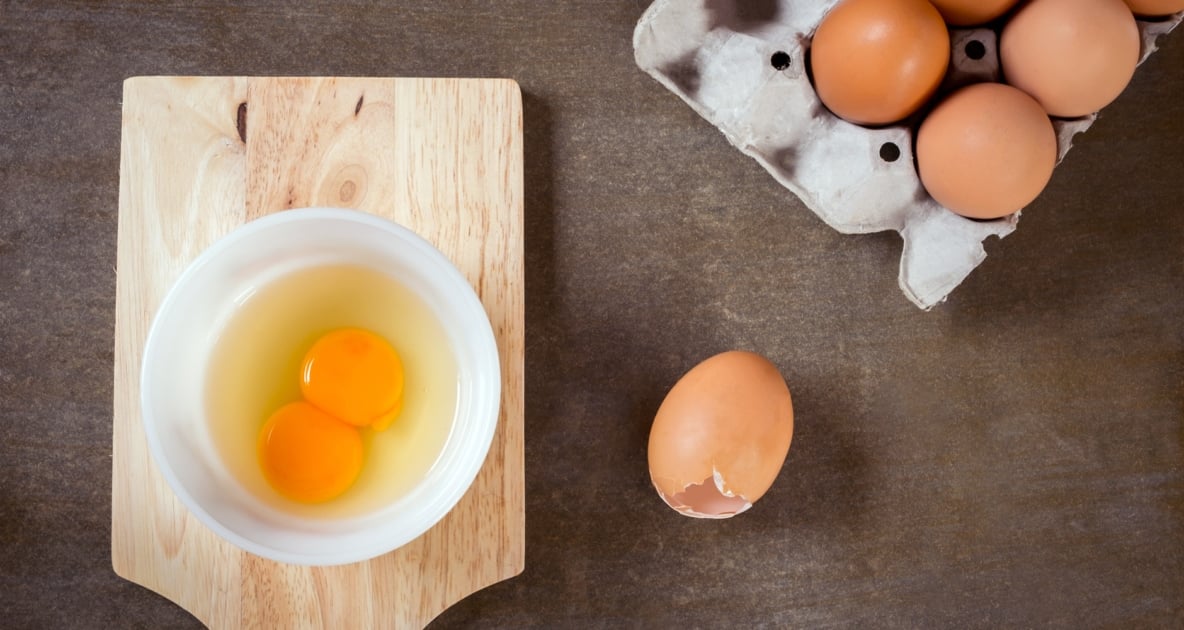
Every cuisine carries food superstitions. The kitchen is where the daily, the seasonal, and the sacred all happen at once, and centuries of cooks have woven small rituals into the routine. Some are protective, some are predictive, and some make no logical sense at all. Here are twelve of the most enduring food superstitions in Western tradition and where they came from.
Quick Reference
- Spilled salt: toss a pinch over your left shoulder to blind the devil who waits there.
- Crossed knives: never leave knives crossed on the table; legend says it brings argument.
- Stir the pot widdershins (counter-clockwise): believed to bring bad luck in many European traditions.
- Bread: never throw it away; some traditions kiss the loaf before slicing.
- Wishbone: two people pull; the longer half wins the wish.
- Apple peel: peel an apple in one continuous strip and toss it over your shoulder; the shape on the floor spells your true love’s initial.
Food Superstitions
1. Spilled salt. Toss a pinch over your left shoulder to blind the devil who is said to wait there. Salt was valuable in the ancient world (Roman soldiers were partially paid in salt, the root of the word “salary”), so spilling it was unlucky in any case. The over-the-shoulder toss is the older protection ritual.
2. Crossed knives on the table. Never leave knives crossed; legend says it brings argument or a falling-out at the next meal. The practical root: crossed blades are unsafe when reaching for a plate.
3. Never waste bread. In many European traditions, throwing bread away brings poverty. Older Italian and French households would kiss the loaf before slicing, or put a dropped piece back to the bread board with a small “sorry.” Wartime privation hardened the rule.
4. The wishbone. After a turkey or chicken, the dried wishbone is pulled apart by two people. The one with the longer half makes the wish. Roman augurs used poultry bones for divination; the modern Thanksgiving custom carries that down.
5. Apple peel divination. Peel an apple in one continuous strip without breaking the spiral. Toss it over your shoulder. The shape that lands on the floor spells the initial of your future love. A 19th-century Halloween parlor game.
6. Stir the pot deosil (clockwise). Stirring counter-clockwise (“widdershins”) brings bad luck in many Celtic and Northern European kitchens. The directional preference matches sun-wise rotation in sacred traditions across Europe.
7. Burnt pie crust. A burnt pie crust means a visitor is coming who you do not want. Less common today, but still cited in old Appalachian kitchens.
8. Never serve 13 at table. The number recalls the Last Supper, and tradition says the first to rise after a meal of 13 will die within the year. Many U.S. hotels still have no 13th floor for the same reason.
9. Cheers eye contact. Look the person you clink with in the eye. Failing to do so brings seven years of bad luck (or bad sex, depending on the country). Old Germanic origin, now near-universal in Europe.
10. New Year’s food. Pork (forward motion), greens (money), black-eyed peas or lentils (coins), grapes (one for each strike of midnight) all promise prosperity in the new year. Italian, German, Southern American, and Spanish traditions overlap.
11. Spilled wine on the tablecloth. A spilled glass of wine at dinner brings good luck to the household, according to French and Italian tradition. The reverse of spilled salt. Wine being more precious than salt by this era may explain the inversion.
12. Bread-and-salt welcome. Across Slavic and Eastern European cultures, bread and salt are offered to a guest as a welcome and a blessing. Refusing breaks hospitality. The custom moved with immigrants to North America and remains a wedding tradition in many Polish, Russian, and Ukrainian families.

Where the Superstitions Came From
Most kitchen superstitions trace to one of three roots. The first is religious symbolism (the Last Supper, sacred directions of sun-wise rotation). The second is practical safety dressed up as luck (crossed knives, the wishbone-which started as augury and ended as a parlor game). The third is scarcity (bread, salt, wine, and meat were all expensive enough that wasting them was a social wrong). The luck framing kept the rules in force long after the original reason faded.
Do You Have a Kitchen Superstition?
Every family has at least one. Whether it is a no-13 rule for Christmas dinner, a stir-clockwise habit for the gravy, or a particular pinch of salt over the left shoulder, the kitchen is where the smallest traditions outlive everything else. Drop yours in the comments.
Frequently Asked Questions
Why do people toss salt over their left shoulder?
Old European tradition held that the devil waited at the left shoulder. Tossing spilled salt over it would blind him before he could cause harm. Spilling salt was also a waste of a valuable commodity, which added a practical layer to the bad-luck association.
What does it mean if knives are crossed on the table?
Folk tradition says crossed knives bring argument or strife at the next meal. The practical root is that crossed blades are unsafe when reaching across a table.
Where did the wishbone tradition come from?
Roman augurs used the cleaned breastbones of birds for divination, breaking them between two diviners. The longer half held the omen. Over centuries the practice became a household game.
Why are 13 at a table unlucky?
The number recalls the Last Supper, where Jesus and the 12 apostles totaled 13 and Judas’s betrayal followed. Tradition says the first to rise after a meal of 13 will die within the year. Many U.S. hotels and buildings still skip the 13th floor.
Are food superstitions still observed?
Many are still casually observed. The over-the-shoulder salt toss is common; eye contact during a clink-and-cheers is near-universal in Europe. New Year’s foods (pork, greens, black-eyed peas, grapes) remain widespread in regional cuisines.

This article was published by the Staff at FarmersAlmanac.com. Any questions? Contact us at [email protected].
- Farmers' Almanac Staff

- Farmers' Almanac Staff

- Farmers' Almanac Staff

- Farmers' Almanac Staff




If you and another person are walking, and y’all come upon an object that causes you two to split up and each walk on a different side of the object, then you must both say, “Bread and Butter”, or bad luck will come both of your way.
My grandmother used to say if you drop a table knife on the floor a hungry man is coming to your house. If you drop a fork, a hungry woman is coming. If you drop a spoon, a hungry child will be coming.
a Hat or shoes on the table is bad luck and (bad manners) it effects the prosperity in a negative way.
if your nose itches, you will kiss a fool.
an apple a day keeps the doctor away. same goes for avocado and olives
putting your clothes on inside out means good luck.
always follow your gut feeling when it comes to your children’s safety.
never go to bed angry.
singing, humming, and whistling helps you live longer
put a penny (older than 1985) in your shoe for good health
Owls screech at you, bad omen (relationship / travel)
Owls stalk you, bad omen (relationship / travel)
Bird flies into your window a sign someone is going to die and she did 🙁
We always had black eyed peas on New year’s Day. I’ve always heard that if you see a penny on the ground, keep it if it’s heads up and give it away if it’s tails up. I do the salt over my shoulder ….left one of course.??They say if you borrow salt, never return it. Don’t know why…
Before New Year comes the house should be cleaned and organized pantry should be stocked with Cooking oil, salt, and sugar and one sack of rice and never spent any single centavo on New Years’ day. The superstitious belief is abundant blessing will stay inside the house and money will not go out of your savings. Prosperous throughtout the year and plenty of money.
It was my husband’s family belief on New Year’s Day that every dinner plate had at least a dollar under it to ensure you would have sufficient money to live on during the year. My folks required black-eyed peas be eaten by everyone at the table, even if only a single bite, to bring luck for the new year.
So many of these superstitions gave been passed down in our family, and so many more that we can’t recall at this moment. Having great grandparents (maternal and paternal) from Germany, Ireland, Mom learned many of them. So enjoyed this article and responses.
My dad used the Farmers’ Almanac as his “bible” for when to plant which crop for best yield.
Don’t let anyone sew any clothing while you’re wearing it, i.e. a button, because as they’re sewing the clothing, they’re also sawing up your brain.
If you and a friend are walking (relationship doesn’t matter). And there is a pole coming up. walk on same side of the pole. But if the pole is taller of either of you it’s safe to splitup. Otherwise the friend that you are walking with between the poles. Your relationship is doomed
My grandmother born in 1902 said if you put an axe under the bed of a woman giving birth it will cut the labor pains.