

Pantry Pest Control 2026: 5 Top Tips to Pest-Proof Your Pantry for Good
Check out these non-toxic and inexpensive methods you can enlist to send those pantry pests packing!
Quick Reference: Pantry Pest Control
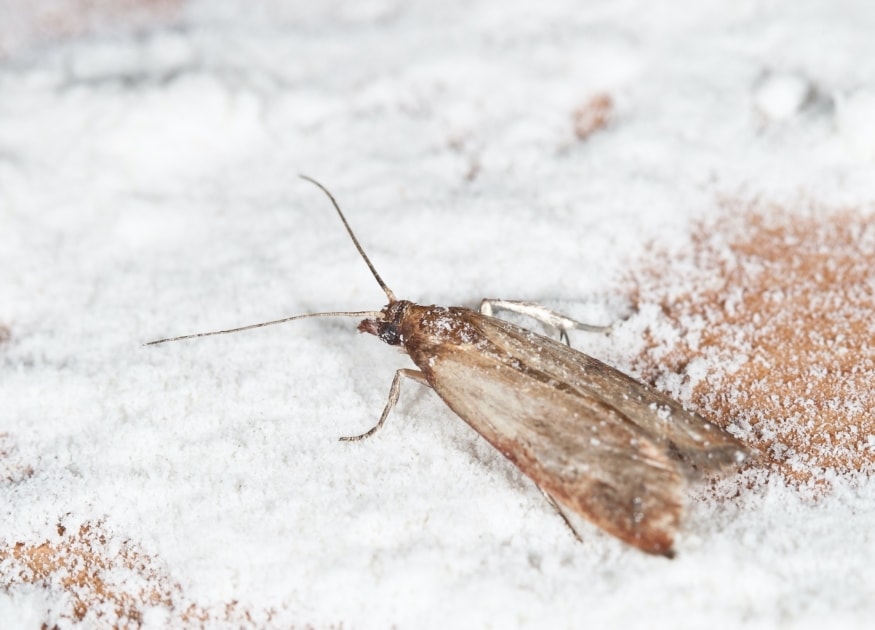
- Most common pantry pest: Indian Meal Moth (Plodia interpunctella)
- First move on discovery: Empty the pantry, discard infested food in an outside bin
- Freeze rule: 3 to 4 days at 0 F kills eggs, larvae, and adults, per USDA storage guidance
- Best storage container: Airtight glass, metal, or thick plastic. Original packaging alone is not enough
- Bay leaf deterrent: Slip fresh or dried leaves into flour, rice, oats. Replace every 3 months
- Pheromone trap: Catches male Indian Meal Moths and breaks the breeding cycle in 6 to 8 weeks
- Peak infestation months: Late spring through early fall, when warm humid air speeds moth reproduction
Opening a bag of flour in July 2026 and finding something crawling in it is one of those small kitchen defeats no one plans for. It is also, unfortunately, common. The USDA estimates that stored-product pests cost US households and food producers hundreds of millions of dollars in wasted food every year, and warm months push pantry pest activity to its yearly peak.
Good news: pantry pest control does not usually need a professional or a toxic spray. Non-toxic, inexpensive methods handle most infestations in a weekend, and a handful of habits keep the pantry pest-free after that. These five steps, plus the additional tips at the end, are the Farmers’ Almanac playbook we would give a neighbor whose kitchen just got invaded.

Top Tips to Send Pantry Pests Packing
1. Know Your Pest
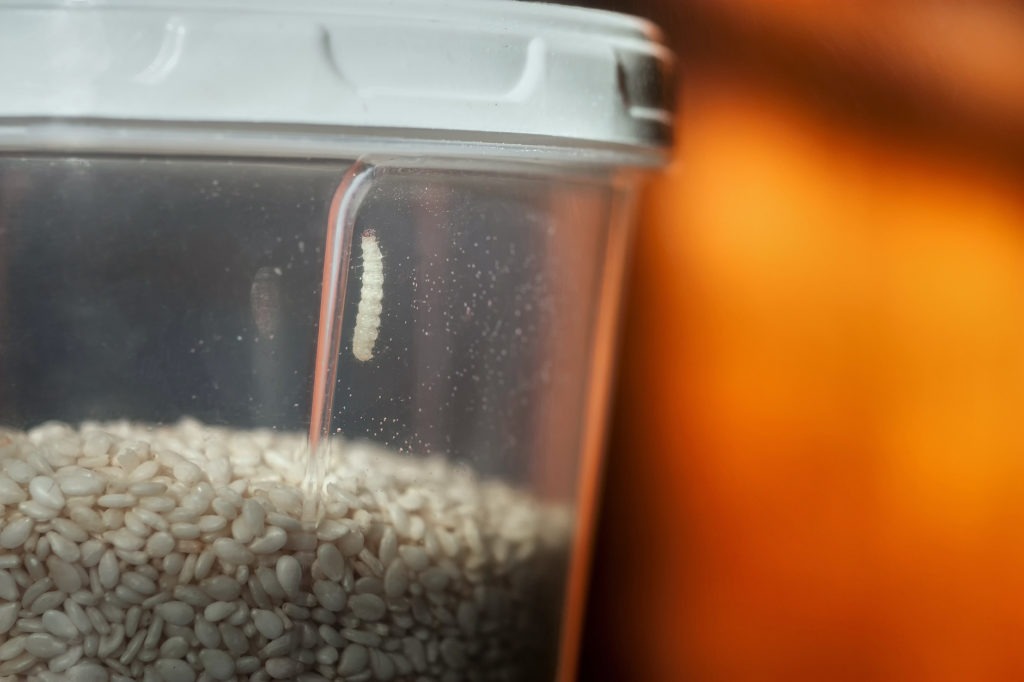
Before you deal with a pantry pest problem, know exactly what you are dealing with. Every pest has its own habits and food preferences. The most common pest that infests stored food is the Indian Meal Moth (Plodia interpunctella), often called the pantry moth. It is the only moth species that regularly feeds on stored food in a US kitchen, but there are several beetle species that do the same job.
Common pantry beetles include the warehouse beetle, the saw-toothed grain beetle, the merchant grain beetle, the confused flour beetle, the red flour beetle, the drugstore beetle, and the cigarette beetle. Every one of them has one job: eat your food. The Purdue University Extension maintains a pantry pest identification guide with clear photos of each species. Spend five minutes matching what you have found to a picture before you start treatment.
2. Find the Source

The most common sign of an infestation is seeing the pests themselves. Flying beetles or moths, or their light-colored worm-like larvae, are the usual first sightings. Eggs are microscopic and cannot be seen with the naked eye. If you notice spun webbing through food or on packaging, you almost certainly have an Indian Meal Moth infestation. Examine every food item within a five-foot radius of the first sighting.
The most commonly infested foods to check are milled staples: flours, pasta, cereals, cornmeal, spices, and dried pet or bird food. Also check dried fruits, nuts, oats, and open bags of rice. Bird seed stored in a garage or basement is one of the most reliable entry points, since it often sits for months at temperatures moth larvae find comfortable.
3. Stop the Infestation
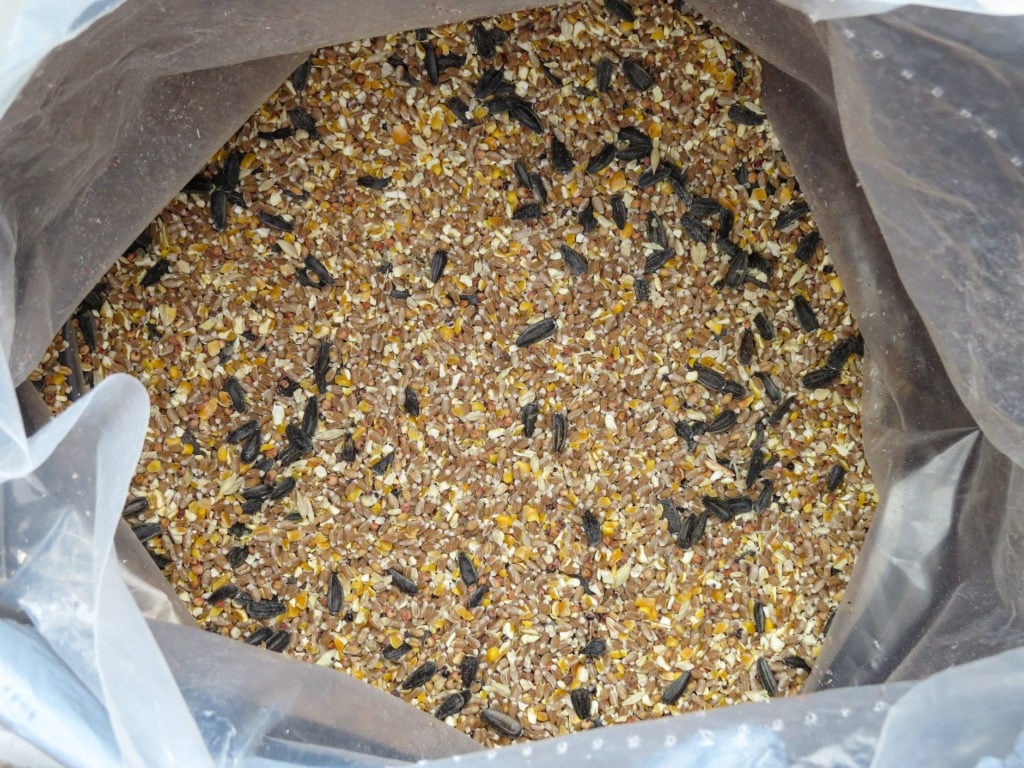
Once the source is identified, discard any infested food in an outside trash bin so pests do not re-enter the house. If you are not sure whether an item is contaminated, seal it in a bag and freeze it for 3 to 4 days at 0 F. Freezing kills the pest at every life stage, including the eggs, per USDA storage guidance. The best way to avoid a pest invasion is to keep it from starting: inspect bagged and boxed food items you bring home, even sealed ones. Manufacturers try to ship pest-free food, but they do not always succeed. Once a contaminated package hits the shelf, the pests multiply and spread to neighboring foods.
4. Clean Your Pantry

Clear the entire area of both infested and non-infested food. Vacuum shelves top to bottom, working into corners and cracks. Larvae like to make homes in dark corners and joints where two boards meet. Empty the vacuum outside as soon as you are done and toss the contents straight into the outdoor bin. Then wash the entire area with hot soapy water and follow with a white vinegar rinse to break down any residual pheromone trail.
Add a few drops of essential oil to the vinegar rinse if you like: citronella, peppermint, eucalyptus, or tea tree all work. When you are done, leave the pantry door open overnight so shelves dry fully before you restock. A damp pantry attracts a fresh round of pests.
5. Prevent Further Infestations

Store all dry goods in airtight glass, metal, or thick plastic containers. Bay leaves are an old kitchen trick that still holds up. Slip fresh or dried bay leaves directly into containers of flour, rice, oats, and other dry goods, or hang them on the pantry shelves. Replace every 3 months as they lose potency. Pheromone traps are also effective. They lure male Indian Meal Moths onto a sticky pad, which breaks the breeding cycle in 6 to 8 weeks.
Once you believe the problem is over, keep watching. A single missed egg can restart an infestation. Freeze any new dried goods for a few days before storing them, especially bulk-bin purchases. Inspect bagged and boxed products for damage before you buy, and confirm the seal is intact. And keep the pantry clean: sweep, vacuum, and mop spilled food quickly.
Moths and beetles are the most common pantry pests, but other pests are less picky about their meals and turn up in or near the pantry too. Ants, rodents, cockroaches, and fruit flies are all common kitchen visitors.
Additional Pantry Pest-Proofing Tips
Here are the extra tips to keep the wider set of kitchen pests out too.
- Seal any cracks or openings to keep pests from entering in the first place. Plugging holes and trimming back trees around the house cuts down on ant and mouse traffic.
- Eliminate the food source. If your compost bin attracts fruit flies or ants, empty it regularly and store it outside. You may need to keep the fruit bowl in the fridge during warmer months.
- Set a fruit-fly trap: cider vinegar plus a few drops of dish soap in a bowl on the counter. The vinegar draws them in, the soap breaks the surface tension, and they cannot climb out. See more fruit fly trap ideas here!
- Place cucumber peels where you have seen ants. Ants detest cucumbers and will stay away. You can also sprinkle a line of cayenne pepper, cinnamon (powder or oil), lemon juice, or coffee grounds along the area where you suspect ants are entering the kitchen. They will often not cross the line. More ant trap ideas here!
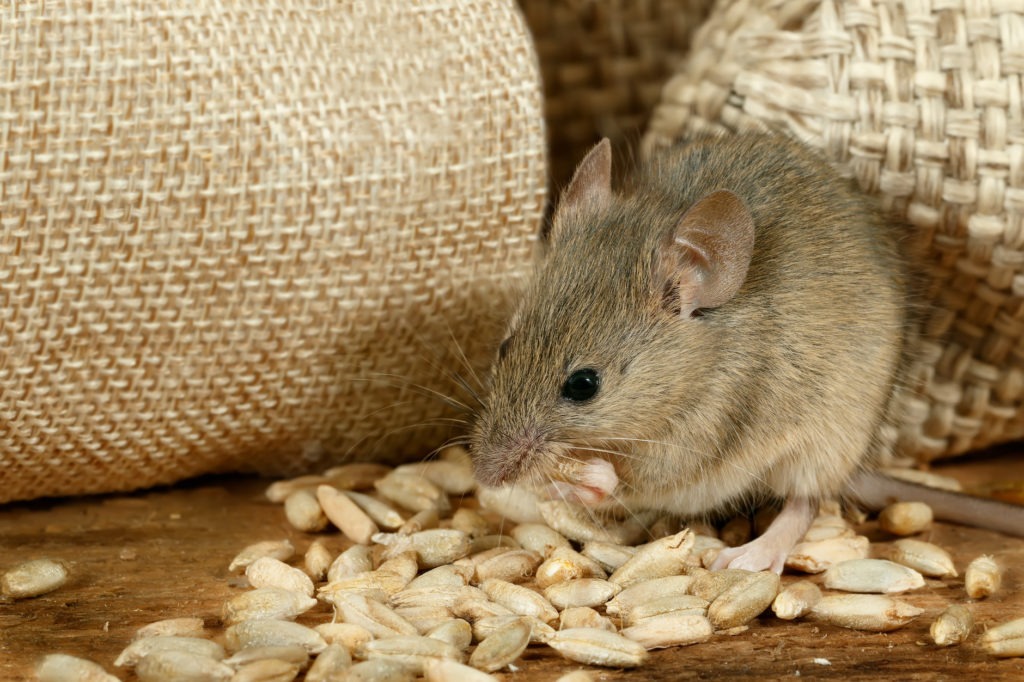
- Try non-toxic rodent traps if you have a mouse problem. If you cannot stomach the snap-back traps, live traps work. If you plan on releasing captured mice, release them far away from your home and your neighbors. Mice also detest the smell of peppermint. Soak some cotton balls in peppermint oil and leave them around your kitchen to deter mice. As a bonus you will have a fresh smelling and pest-free kitchen and pantry.
Regional and Seasonal Notes for US and Canadian Kitchens
Climate changes the picture. The warmer and more humid your region, the shorter the Indian Meal Moth life cycle and the faster an infestation blooms. Use this as a rough seasonal guide.
Natural vs. Chemical Pantry Pest Control
Most kitchens do not need chemical pesticides for pantry pests, and the Farmers’ Almanac has never recommended spraying pesticides around food. Non-toxic control works for two reasons: the pests have small populations relative to a healthy pantry, and the food they infest is easy to remove. If you have tried the five-step plan twice and still see moths or beetles inside a week, that is when to call a licensed pest professional. Everything else is a weekend job.
- Bay leaves: Safe with food. Replace every 3 months.
- Pheromone traps: Safe with food. Only catch male moths, so they work as a monitoring tool as well as a control.
- Freezing: Safest option. 0 F for 3 to 4 days kills all life stages.
- Essential oils (peppermint, eucalyptus, tea tree): Safe as a cleaning rinse. Keep out of pet food and away from cats, who metabolize essential oils poorly.
- Diatomaceous earth (food grade): Safe for pantry cracks. Reapply after cleaning.

Pantry Pest Control FAQ
What are the most common pantry pests?
The Indian Meal Moth is the top pantry pest in most US kitchens. Common beetles include the warehouse beetle, saw-toothed grain beetle, merchant grain beetle, confused flour beetle, red flour beetle, drugstore beetle, and cigarette beetle. Ants, mice, cockroaches, and fruit flies also visit the kitchen.
How do I get rid of pantry moths without chemicals?
Empty the pantry, discard infested food in an outside bin, vacuum shelves top to bottom, wash with hot soapy water and a white vinegar rinse, then restock in airtight containers with a bay leaf inside each. Add a pheromone trap to break the breeding cycle in 6 to 8 weeks.
Does freezing food kill pantry pests?
Yes. Sealing a suspect food in a bag and freezing at 0 F for 3 to 4 days kills the pest at every life stage, including eggs, per USDA storage guidance. Bulk-bin flour, cornmeal, oats, and bird seed are worth freezing on purchase.
Do bay leaves really repel pantry pests?
Bay leaves are a decent deterrent, not a treatment. The volatile oils in fresh or dried leaves make flour and rice less appealing to moths and beetles. Replace every 3 months as the oils fade. Bay leaves will not clear an existing infestation on their own.
How long does it take to get rid of a pantry infestation?
A single deep-clean plus airtight storage clears most infestations in the same weekend. Pheromone traps break the moth breeding cycle over 6 to 8 weeks. Keep watching for two full months after you see the last moth or beetle to be sure no eggs survived.
Can pantry pests make you sick?
Indian Meal Moths and pantry beetles do not bite or transmit disease, but their webbing, droppings, and shed skins can trigger allergies and contaminate food. The USDA recommends discarding any food that shows signs of infestation rather than picking pests out and eating the rest.
Should I keep flour in the freezer to prevent pantry moths?
Freezing new flour for 3 to 4 days after purchase kills any eggs that came home from the store. After that, airtight glass jars in the pantry are fine for daily use. Keeping all flour long-term in the freezer is an option too, especially for whole-grain flours that go rancid quickly.
When should I call a pest professional for pantry pest control?
If two full deep-cleans and airtight storage still leave you seeing moths or beetles within a week, call a licensed pest professional. Persistent pantry infestations sometimes trace back to a wall void, an attic, or a neighboring unit in a shared building, which household treatment cannot reach.
Have your own pantry pest control tips? Share them in the comments below. Plan your day, keep your pantry clean, and the pests move on.


Natalie LaVolpe
Natalie LaVolpe is a freelance writer and former special education teacher. She is dedicated to healthy living through body and mind. She currently resides on Long Island, New York, with her husband, children, and dog.
- Natalie LaVolpe

- Natalie LaVolpe
- Natalie LaVolpe
- Natalie LaVolpe





put whole dried bay leaves in and around grain products and you will never have those tiny beetles. I put the leaves in a tea ball in the flour containers and tape a leaf inside the lid on pasta and other grain storage containers.
These are great tips! Thank you for sharing!
Peppermint no longer repels mice. Our mice were actually attracted to it and chewed right through the plastic bottle of extract! Also, they are no longer attracted to cheese or peanut butter on spring traps.
How do i get rid of roaches.Please help.
Hi Trudie Daniel, Unfortunately, roaches need professional extermination. There is nothing natural we can offer. The joke about them surviving an apocalypse is no joke as they are very resourceful. So we recommend to call a professional because if you’ve seen one, that means there is already a nest of many. Good luck!
yeah!
I use stick paper anything that walks on it sometime is the last time it gets stuck and I replace it every week. Buy at $.tree.
Nancy
When you start seeing a few roaches, know that they can hitch-hike in with grocery bags, especially paper! I always try to use paper instead of plastic but they need to be taken to trash outside as soon as possible. Within a couple months ago, I found larvae on one of my coffee filters, of all things! First time ever! Now I make sure I check each one before I use it!
Most of the pests I see are in flour. They come into house with the flour. Therefore, all flours are frozen for at least a few weeks and then stored in pantry.
Diatomaceous Earth IS great for killing pests without using poisons. If you get DE on
your hands, wash them quickly & thoroughly. DO NOT GET IT IN EYES!!!
Diatomaceous Earth is the microscopic skeletons of tiny ancient little critters that
have collected in various locations. – People who collect the DE use it for many
things, tooth cleaner that also mineralizes the teeth (it consists of calcium & other
minerals), as a wormer for their cattle & pets, as a bug killer in their homes &
probably other things I haven’t heard. Use ONLY FOOD GRADE DIATOMACEOUS
EARTH! There is a “pool grade” that is used in pool filters; but not fit for human & pet
use.
You mentioned roaches, but not how to keep them out. At times, I see one and don’t know if they are coming from outside or what. I have used several types of spray, borax and traps.
diatomacous earth will also help keep bugs out.