

How to Grow Broccoli: A Cool-Season Planting Guide
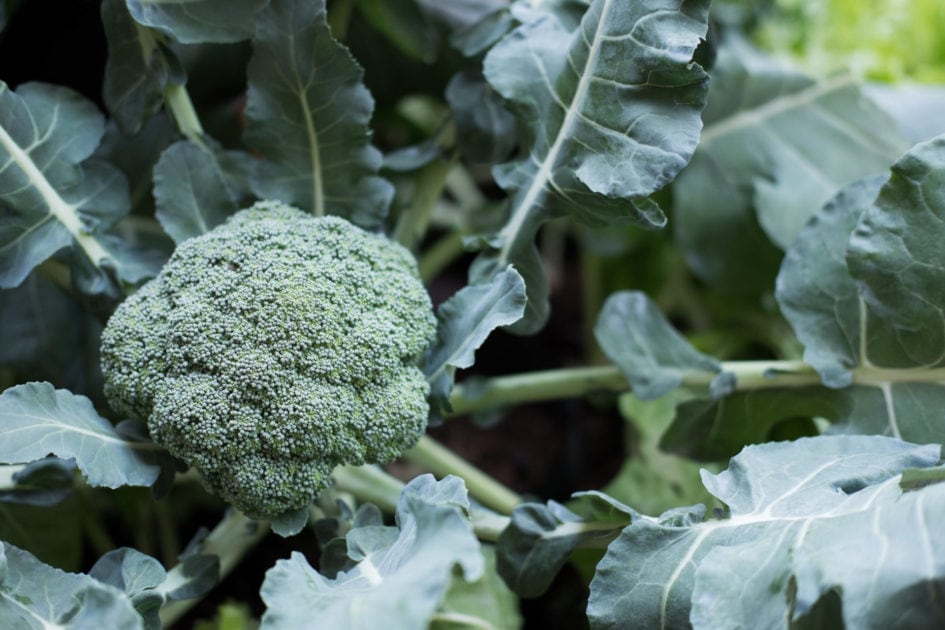
Quick Reference: How to Grow Broccoli
- Season: a cool-season crop that grows best in spring and fall. Long hot spells cause heat stress.
- Spacing: set transplants 18 to 24 inches apart, with rows three feet apart.
- Ideal head temperature: 65 to 70 degrees Fahrenheit for the main head.
- Water: at least one inch per week, with extra care at transplanting and as the head develops.
- Harvest: cut the center head before the buds open, then leave the plant to send up side shoots.
Broccoli is a surprisingly complicated vegetable and can be hard to grow. It was one of the top vegetables our readers told us they had trouble with, and for good reason. The timing is fussy, the watering is fussy, and the weather has to cooperate. But if you are up for the challenge this 2026 season, the guide below walks you through it step by step, from the first seed to the last side shoot.
Two things to keep in mind before you start. First, planting timing and watering details are very specific with broccoli, more so than with most garden vegetables. Second, temperature is a big factor. Long periods of hot weather cause heat stress, which damages the plant and stalls its development.
Standard broccoli prefers cooler temperatures and grows best in the spring and fall, which is why it is known as a “cool season” vegetable. The University of Minnesota Extension keeps a plain-English guide to growing broccoli if you want to confirm the details for your own ground.
Getting Started: Two Methods
You can grow broccoli two ways: start seeds indoors and move the transplants out, or sow the seed straight into the garden. Both work. The right choice depends on your season and how much frost protection your young plants will need.
1) Starting Seeds Indoors and Transplanting
- Spring planting: start seeds indoors 6 to 8 weeks before your last frost dates.
- Be sure not to expose spring transplants to frost.
- Summer planting (for a fall crop): slightly less time is needed for a fall crop, because seedlings tend to grow faster in summer than in spring. Start seeds 6 weeks before planting. Calculate your plant date by counting back roughly two months from your first frost dates.
- Bear in mind that broccoli may tolerate a light frost when it is planted as a fall crop.
- Standard broccoli is a large plant, so place transplants 18 to 24 inches apart.
- Space rows three feet apart.
2) Direct Seeding Outdoors
- Sow three broccoli seeds one half-inch deep every foot of row.
- Space rows 18 to 36 inches apart.
- Once the plants are established, thin them to one plant for every foot of the row.
Water
Consistent soil moisture produces the best heads. At a minimum, supply one inch of water per week. Two watering periods matter most:
- When the transplants are being established, just after planting.
- As the head is developing.
Water at the base of the plant rather than over the top, and water in the morning so the leaves dry through the day. Wet foliage sitting overnight invites the diseases covered further down.
Soil
Broccoli wants well-drained, fertile soil with a pH of 6.0 to 7.5, which runs from slightly acidic to slightly alkaline. A soil test will tell you where you stand before you plant, and it is the cheapest insurance a gardener can buy.
Light
Broccoli plants prefer full sun, but they may tolerate some shade. In the warmer months, a little afternoon shade can even help keep the plants cool and slow down heat stress.
Fertilizer
Before transplanting, work well-rotted manure or aged compost into the soil. When plants are about 4 inches tall, side dress them by working more compost into the soil several inches away from the roots.
Broccoli is a heavy nitrogen feeder, which makes nitrogen-rich compost a good source for the nutrient. Steady feeding keeps the leaves green and the plant pushing toward a solid head.
Common Diseases and Pests
Broccoli draws its share of trouble. The usual problems are black rot, alternaria, cabbage looper, cabbage worm, flea beetle, and root maggots. To control insect pests, place summer-weight row covers over the plants at the time of transplanting.
Broccoli belongs to the cabbage family, so it shares pests and diseases with its cousins. Many gardeners use companion plants to confuse those pests and pull in the insects that prey on them. Our companion planting guide lays out which neighbors help and which to keep at a distance.
Harvesting
When harvesting broccoli, cut the center head before its flower buds open. The plant will produce secondary shoots if it is left in the ground, so cut only the center head and leave the small secondary shoots, which start to emerge a few inches down on either side of the stalk. Harvesting those shoots as they develop will encourage even more growth, so a single plant keeps giving long after the main head is gone.
Additional Notes
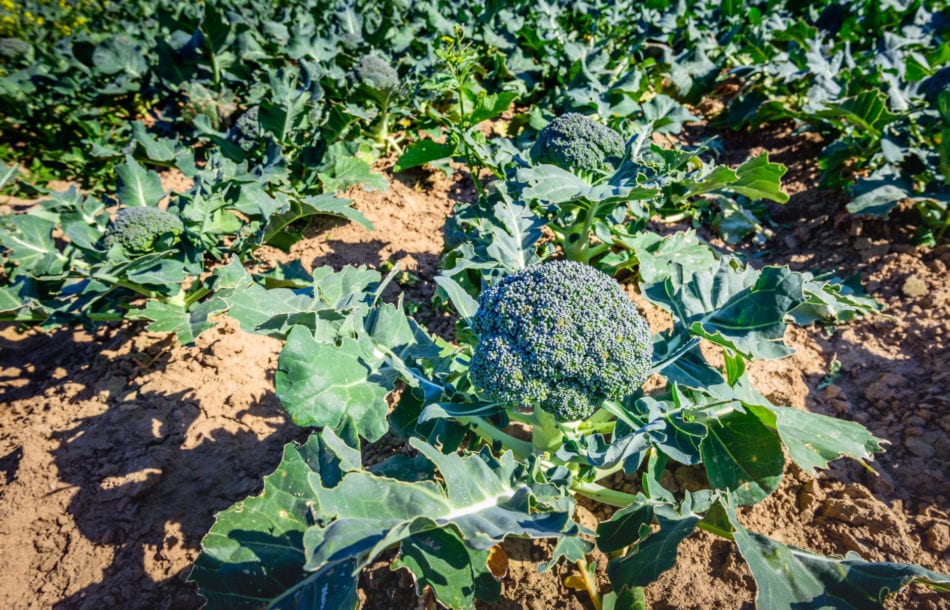
Temperature is a crucial factor in determining whether the plant will develop a head properly. The optimal temperature for broccoli head production is 65 to 70 degrees Fahrenheit, which is why spring and fall crops are the most successful. It can be challenging to achieve a perfect head with standard broccoli, so do not be discouraged if your first try is a modest one.
If standard broccoli keeps giving you fits, here are some other varieties to consider:
- Leaf broccoli. This type may be harvested at the leaf stage or left to develop as small florets emerge.
- Broccoli rabe. This type is easy to grow and matures fast.
- Chinese broccoli (Gailon crossed with mini broccoli). This type produces many side shoots over a long period and grows well even under stress from heat and drought.
- Winter broccoli (also known as late-sprouting broccoli). This variety forms its spears of florets best in temperatures under 50 degrees Fahrenheit.
RELATED: 9 more plants for a fall harvest
Regional Timing for Broccoli
Frost dates run weeks apart across the country, so the calendar date for planting shifts with your region. The trigger does not: aim for cool weather at both ends of the season and keep the heat of midsummer off the developing head. The table below is a starting point, and our Gardening by the Moon Calendar and your own frost dates fine-tune it.
| Region | Average last spring frost | When to set out broccoli |
|---|---|---|
| Deep South and Gulf Coast | Late February into March | January into February, and again in September |
| Mid-South and Southern Plains | Mid to late March | February into March, and again in August |
| Mid-Atlantic and Ohio Valley | Mid to late April | Late March into April, and again in late July |
| Midwest and Great Lakes | Early to mid May | Mid April into May, and again in July |
| Northeast and New England | Mid to late May | Late April into May, and again in early July |
| Mountain West and Pacific Northwest | Mid May into early June | Late April into May |
Community Is Important
Besides our guide, we would like to underscore the importance of community with gardening. Be sure to talk with local growers and have conversations about what to plant and when. Your county knows its own frost dates and its own pests better than any guide can.
You can always “wing it” and learn from your own mistakes, but when we share and learn from each other we tend to get better results faster.
How to Grow Broccoli: Frequently Asked Questions
What month should I plant broccoli?
Broccoli is a cool-season crop, so plant for spring and fall rather than summer. For a spring crop, start seeds indoors 6 to 8 weeks before your last frost date. For a fall crop, start seeds 6 weeks before planting, counting back about two months from your first frost date. The exact month depends on your region’s frost dates.
How far apart should broccoli plants be spaced?
Standard broccoli is a large plant, so set transplants 18 to 24 inches apart with rows three feet apart. If you direct seed instead, sow three seeds one half-inch deep every foot, space rows 18 to 36 inches apart, and thin to one plant per foot once they are established.
Why is my broccoli not forming a head?
Heat is the usual reason. The optimal temperature for broccoli head production is 65 to 70 degrees Fahrenheit, and long periods of hot weather cause heat stress that damages the plant and stalls its development. Grow broccoli in spring and fall so the head forms in cool weather, and keep the soil evenly moist while the head develops.
Does broccoli keep producing after the first harvest?
Yes. Cut the center head before its buds open, then leave the plant in the ground. It will send up secondary shoots a few inches down on either side of the stalk. Harvesting those side shoots as they develop encourages even more growth, so one plant can keep giving for weeks after the main head.
What pests and diseases affect broccoli?
Watch for black rot, alternaria, cabbage looper, cabbage worm, flea beetle, and root maggots. To control insect pests, place summer-weight row covers over the plants at the time of transplanting, and water at the base in the morning so the leaves are not wet overnight.
What soil does broccoli need?
Broccoli grows best in well-drained, fertile soil with a pH of 6.0 to 7.5, which runs from slightly acidic to slightly alkaline. Work well-rotted manure or aged compost in before transplanting, and side dress with more compost when plants are about 4 inches tall, since broccoli is a heavy nitrogen feeder.
Can broccoli survive frost?
A fall crop of broccoli may tolerate a light frost, which is part of what makes the fall season so reliable for it. Spring transplants are more tender, so be sure not to expose them to frost. Winter or late-sprouting broccoli is the most cold-loving type and forms its florets best in temperatures under 50 degrees Fahrenheit.
Tell Us Your Experience
Have you tried growing broccoli before? What challenges did you face, and what finally worked? Let us know in the comments below.


Janine Pineo
Janine Pineo has been gardening all her life in Maine and writing about it for more than two decades. More of her writing can be found on her website, GardenMaine.com.
- Janine Pineo

- Janine Pineo
- Janine Pineo
- Janine Pineo


Question: If you plant for the spring, what do you do with the plant in the summer? Do you pull it up or let it keep growing? Sorry, I know it’s a dumb question, but I’m just starting.
Absolutely not a dumb question! Everyone starts somewhere and asking others is how to learn! It really will depend on where you live. I cut my broccoli (from the center stem only) pretty early and I have broccoli for most of the growing season. If you have a really hot summer, you may need to pull it, but I usually plant my next round in early August (2 months to first frost). I usually plant some herbs around my broccoli so they make it pretty and repel pests (dill, basil, mint…). Good luck and keep us posted on how your garden grows this year!
Living in Ga the heat has been a challenge to us on growing broccoli. I tried starting seeds and did in house starts and direct sewing of seeds the heat got them. So I purchased some started ones at feed store and we set them out in our raised garden beds. we have been watering them regularly and they seem to be doing real well as temps have cooled off a bit and we only had one week so far this fall after planting that it hit 80 degrees outside and then cooled off. With it almost being November I figured it will help with the cooler temps. If it works out this will be the first success we have had in about 3 years of messing with them.
We live in Indiana and have had good luck with broccoli — I do start it indoors, harden off the seedlings on the back porch, then plant in raised beds by mid-May. It’s too wet, cold, and windy here to get much started earlier in the spring! The past two years I have used a floating row cover — actually a fine netting which this year we stretched over plastic plumbing pipe hoops that are held in place with short pieces of rebar (bought all of this at the local home & garden shop). Without the netting we had problems with tiny worms from the cabbage butterfly — with the netting, no problem! We do keep it well watered, and the extreme heat was not great for it this summer, but we have harvested heads already and frozen about 6 quarts, and more is coming along. It’s delicious! I have grown Blue Wind, Eastern Magic, Waltham and DiCicco. We do prepare the raised beds with Black Kow manure and compost, and I do add fertilizer — usually what I have on hand. When the plants are small I use dilute fish fertilizer, then as they grow some granular 10-10-10 sprinkled around, and some foliar-feed balanced spray.
Hi Lee Ann,
Than you for sharing your growing experience! Sounds like you have a green thumb!
Wow, did not realize it was a booger to grow. Mine seems to be doing well, but glad for these tips…we are going into the heat of the summer now
Thanks Ann,
Good luck! We have one that’s growing slowly – not sure what’s going to happen. Glad you found some useful tips in our article.