Plants You Should Never Prune in Summer | A Summer Pruning Guide

During summer, plants are hard at work. Their leaves capture sunlight and produce energy through photosynthesis, while their roots absorb water and nutrients to support flowers, fruit, and new growth.
Removing too much foliage during the hottest months forces plants to expend valuable energy on replacing leaves rather than storing resources for winter or producing next year’s blooms. Fresh pruning cuts can also expose branches to sunscald and create entry points for insects and disease.
For many plants, patience pays off.
RELATED: How to Protect Your Garden in a Heatwave
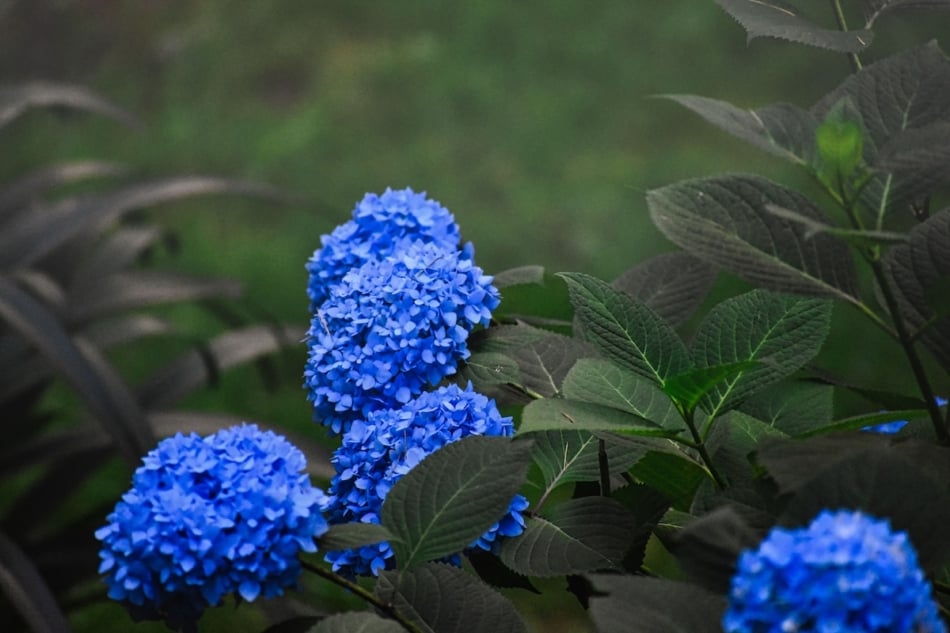
Hydrangeas (Most Varieties)
Hydrangeas are among the most misunderstood shrubs when it comes to pruning.
Bigleaf (Hydrangea macrophylla), oakleaf, and mountain hydrangeas bloom on old wood, meaning they develop next year’s flower buds during summer.
Pruning these varieties now can leave you wondering why they never bloom the following year.
Tip: If you’re unsure what type of hydrangea you have, avoid major pruning until you’ve identified the variety.
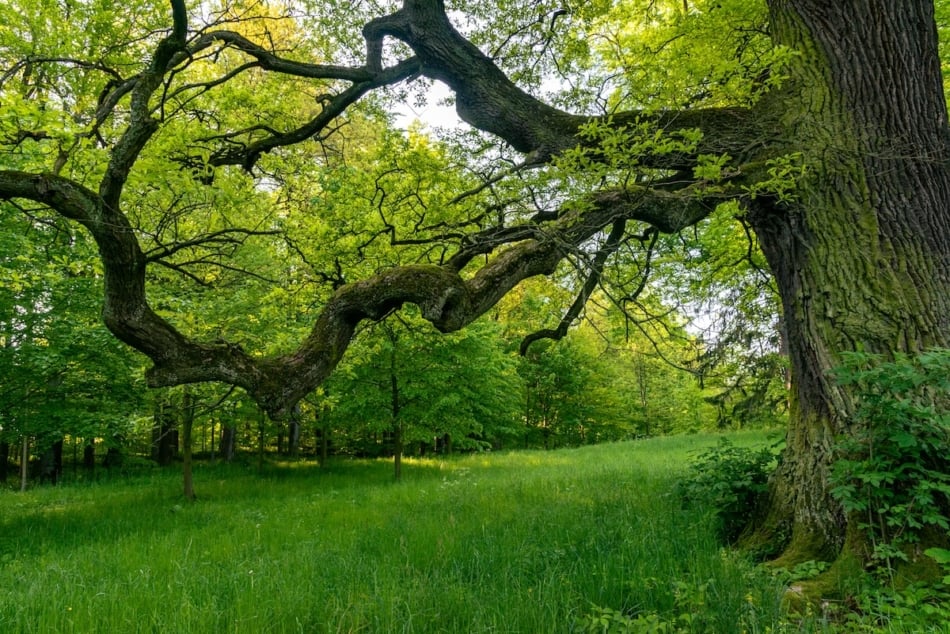
Oak Trees
Summer pruning can increase the risk of oak wilt, a serious fungal disease spread by sap-feeding beetles.
Fresh pruning wounds attract these insects, especially during the growing season.
Even outside areas where oak wilt is common, midsummer pruning places unnecessary stress on mature trees.
Best time to prune: Late fall through winter, when trees are dormant.
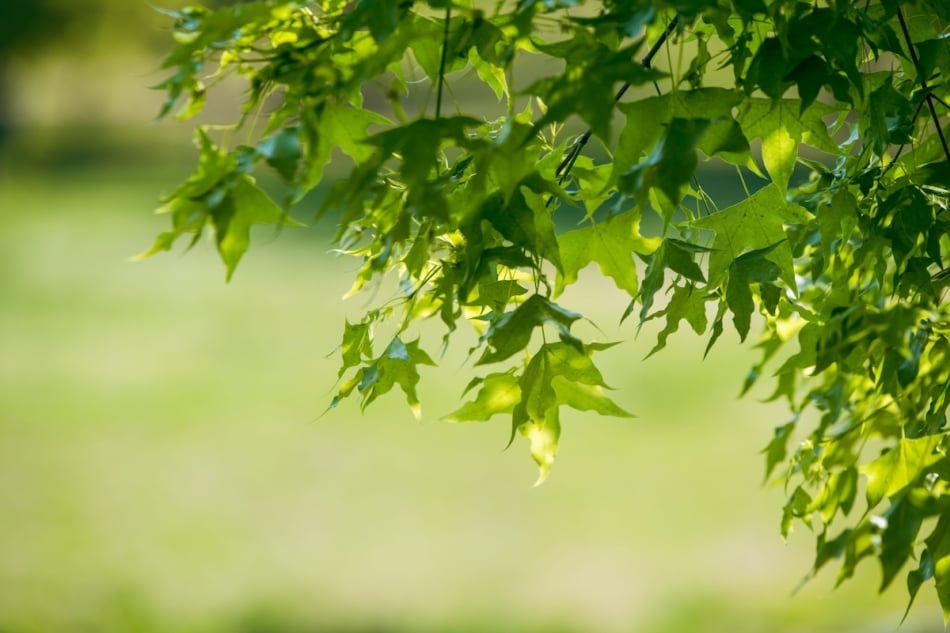
Maple Trees
Although maples are famous for “bleeding” sap in late winter, summer isn’t an ideal time for heavy pruning either.
Large cuts encourage vigorous new shoots that may not harden before cold weather arrives.
Wait until late fall or winter for structural pruning.
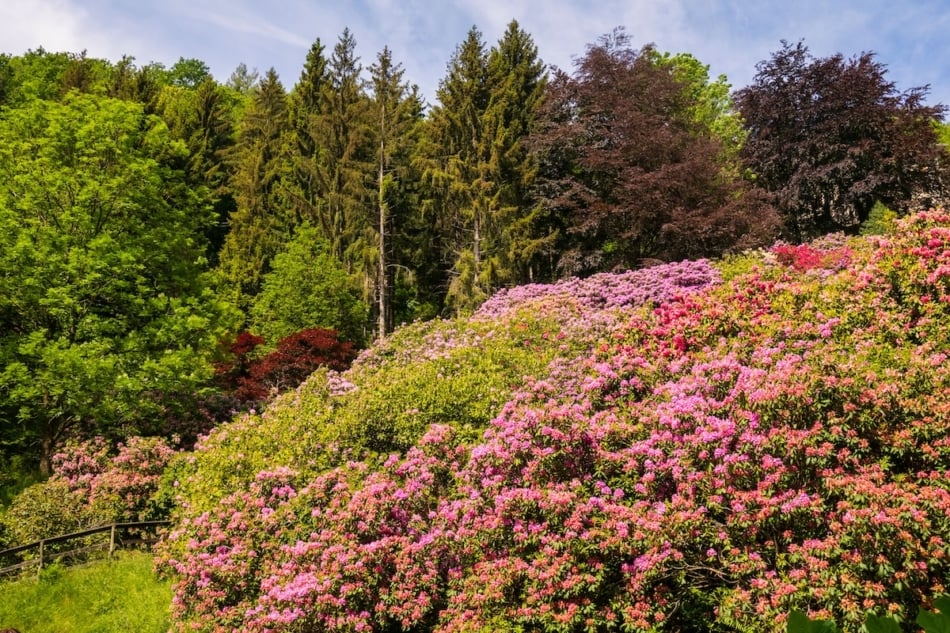
Spring-Flowering Shrubs
If a shrub bloomed in early spring, chances are it’s already setting flower buds for next year.
Avoid pruning these popular favorites during summer:
- Lilac
- Forsythia
- Azalea
- Rhododendron
- Weigela
- Mock Orange
- Viburnum
- Deutzia
Heavy pruning now removes the very buds that will produce next spring’s flowers.
Best time to prune: Within a few weeks after the flowers fade in spring.
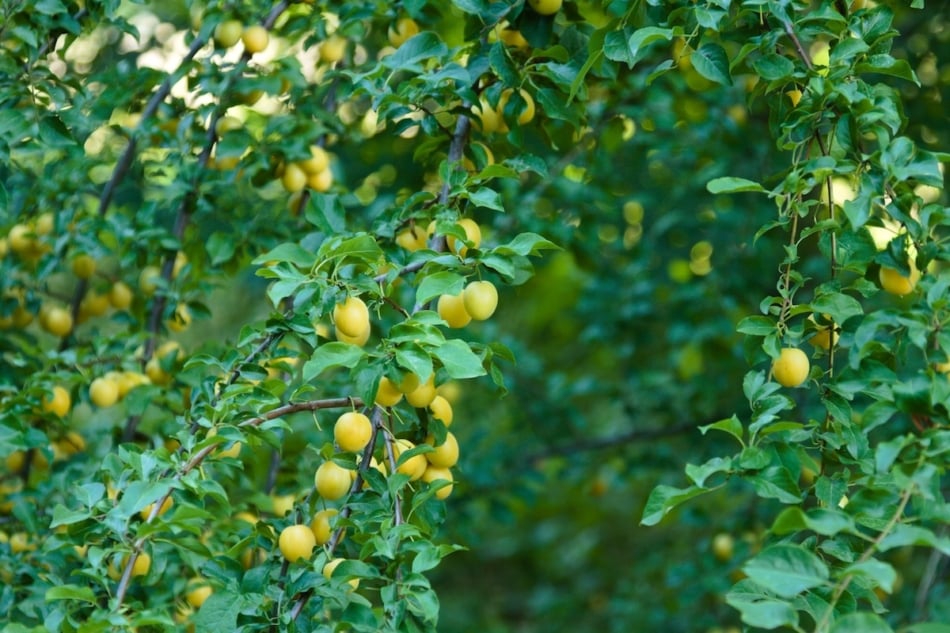
Fruit Trees
Apple, pear, peach, plum, cherry, and apricot trees generally shouldn’t receive heavy pruning during summer.
Major cuts may:
- Reduce fruit production
- Encourage weak water sprouts
- Increase sunscald on exposed branches
- Leave trees vulnerable to disease
Exception: It’s always fine to remove broken, diseased, or dead branches.
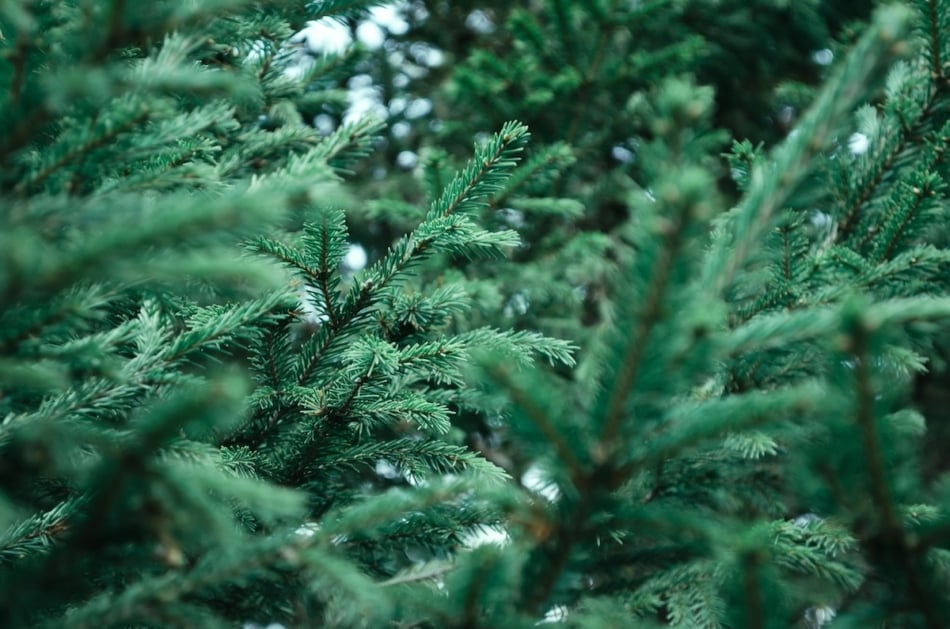
Evergreens
Avoid heavily pruning evergreen trees and shrubs such as:
- Arborvitae
- Spruce
- Pine
- Fir
- Hemlock
- Cedar
Late-season pruning often stimulates tender new growth that may not survive the coming winter.
Light shaping is acceptable for some hedges, but avoid cutting deeply into old wood.
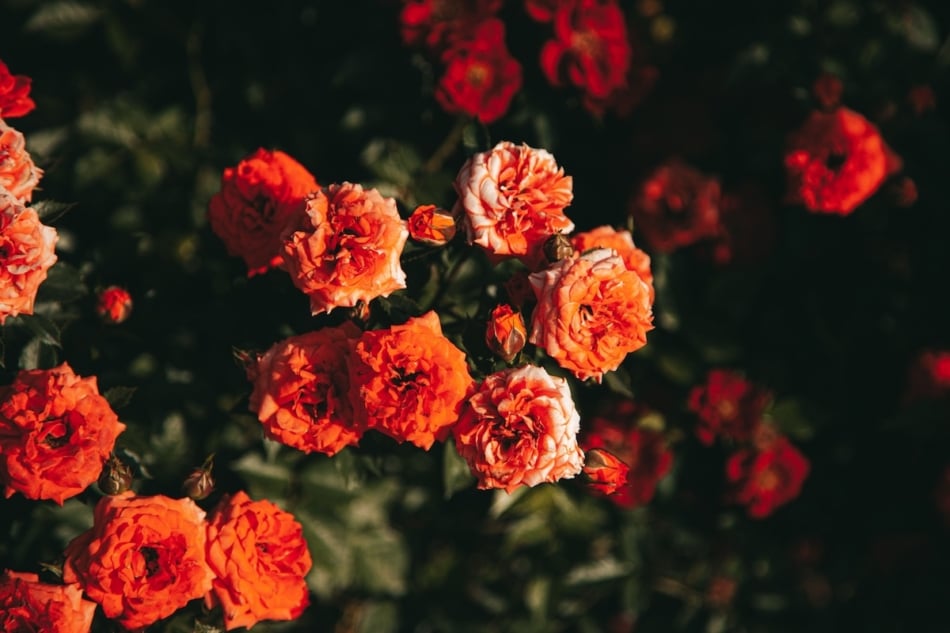
Roses
Most repeat-blooming roses appreciate regular deadheading throughout the growing season, but summer is not the time for drastic pruning.
Instead:
- Remove spent flowers
- Cut away dead or diseased canes
- Improve air circulation with minimal thinning
Save major pruning for late winter or early spring.
Trees and Shrubs Under Heat or Drought Stress
When temperatures soar, trees and shrubs are already working overtime to survive.
Removing healthy branches and leaves reduces the plant’s ability to produce food and regulate moisture.
If your area is experiencing prolonged heat or drought, postpone non-essential pruning until cooler weather returns.
What You Can Prune in Summer
Not everything should be left alone. Summer is actually an excellent time to:
- Deadhead annual and perennial flowers to encourage continued blooming
- Remove dead, diseased, or damaged branches
- Harvest herbs regularly to encourage fresh growth
- Pinch back chrysanthemums in early summer for fuller fall blooms
- Remove tomato suckers if desired
- Cut away root suckers and water sprouts
These small maintenance tasks help keep plants healthy without causing unnecessary stress.
Signs You’re Pruning Too Much
If you’ve been a little overzealous with the pruners, watch for these warning signs:
- Wilting despite adequate watering
- Brown or scorched leaves
- Fewer flowers the following season
- Excessive weak, fast-growing shoots
- Sunburned bark on newly exposed branches
Healthy plants can usually recover, but prevention is always easier than repair.
An Old Gardener’s Rule of Thumb
Gardeners have long followed a simple saying:
“If it blooms before midsummer, prune after flowering. If it blooms after midsummer, prune while dormant—or according to the plant’s needs.”
While there are exceptions, this bit of gardening wisdom helps prevent one of the most common pruning mistakes.
The Bottom Line
Summer is a season for watering, harvesting, mulching, and enjoying your garden—not for major pruning projects.
Knowing which plants you should never prune in summer can help you protect next year’s flowers, keep trees healthier, and reduce stress during the hottest months of the year.
When in doubt, resist the urge to trim. Sometimes the healthiest thing you can do for a plant is simply let it grow.


- Farmers' Almanac Staff

- Farmers' Almanac Staff
- Farmers' Almanac Staff
- Farmers' Almanac Staff