International Moon Day: Celebrating the Apollo 11 Moon Landing That Changed History

For thousands of years, the Moon has been humanity’s calendar, compass, and constant companion. Farmers planted by its phases. Sailors navigated beneath its glow. Storytellers wove legends around it.
Then, on July 20, 1969, humanity accomplished what had only existed in dreams—we landed there.
Every July 20, the world celebrates International Moon Day, honoring the historic Apollo 11 mission and one of the greatest achievements in human history. For those of us who love watching the skies, it’s the perfect time to remember the day people first stepped onto another world.
What Is International Moon Day?
International Moon Day is observed each year on July 20 to commemorate the anniversary of the Apollo 11 Moon landing. The observance was officially recognized by the United Nations in 2021 to celebrate peaceful international cooperation in the exploration and use of outer space.
🔗 United Nations: International Moon Day
https://www.un.org/en/observances/moon-day
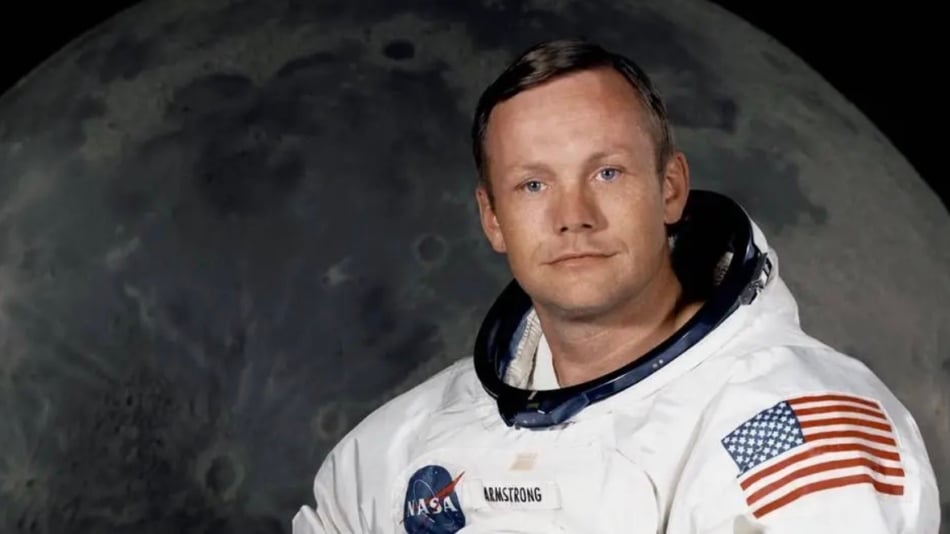
The Mission That Changed Everything
Apollo 11 blasted off from Kennedy Space Center on July 16, 1969, carrying three astronauts:
- Neil Armstrong – Mission Commander
- Buzz Aldrin – Lunar Module Pilot
- Michael Collins – Command Module Pilot
After traveling nearly 240,000 miles, Armstrong and Aldrin descended toward the Moon aboard the lunar module Eagle, while Collins remained in orbit aboard the command module Columbia.
At 4:17 p.m. EDT on July 20, Eagle gently settled onto the dusty surface in the Sea of Tranquility.
Armstrong’s famous transmission back to Mission Control became one of history’s most memorable lines:
“Houston, Tranquility Base here. The Eagle has landed.”
Just hours later, at 10:56 p.m. EDT, Neil Armstrong became the first human to walk on the Moon.
His next words would echo across generations:
“That’s one small step for [a] man, one giant leap for mankind.”
🔗 NASA Apollo 11 Mission Overview
https://www.nasa.gov/history/apollo-11/
Amazing Apollo 11 Facts
🌕 They Almost Didn’t Have Enough Fuel
The landing was anything but routine.
As Eagle descended, onboard computers issued several alarms. Armstrong realized the automatic guidance system was taking the spacecraft toward a boulder field and took manual control.
When Eagle finally landed, it had only about 20 seconds of usable fuel remaining.
🌕 More Than Half a Billion People Watched
The Moon landing became one of the biggest television events ever.
An estimated 600 million people worldwide watched Armstrong take humanity’s first steps onto the lunar surface—a remarkable audience at a time when the world’s population was just 3.6 billion.
🌕 The Moon Smells Like Burned Gunpowder
Astronauts couldn’t smell anything while outside because their spacesuits contained pure oxygen.
But after returning inside Eagle, Moon dust clung to their suits. Buzz Aldrin later described its odor as resembling burned gunpowder or spent fireworks.
🌕 They Left More Than Footprints
Apollo 11 astronauts left behind several items, including:
- An American flag
- Scientific instruments
- A plaque reading:
“We came in peace for all mankind.”
- Goodwill messages from leaders of 73 nations
- Medallions honoring astronauts and cosmonauts who had lost their lives
The footprints remain visible today because the Moon has virtually no atmosphere or weather to erase them.
🌕 Moon Rocks Are Still Being Studied
Apollo 11 returned 47.5 pounds (21.5 kilograms) of lunar rocks and soil.
More than five decades later, scientists continue discovering new information using technology that didn’t exist in 1969.
🔗 NASA Lunar Sample Laboratory
https://curator.jsc.nasa.gov/lunar/
Did You Know?
- Twelve astronauts have walked on the Moon.
- Six Apollo missions successfully landed on the lunar surface.
- Apollo 17, in 1972, remains the last crewed Moon landing.
- The Moon is slowly drifting away from Earth—about 1.5 inches (3.8 cm) every year.
- Light reflected from the Moon takes only about 1.3 seconds to reach Earth.
Learn more about the Moon’s phases:
🔗 Moon Phases Calendar
https://www.farmersalmanac.com/moon-phase-calendar
🔗 Best Days Calendar
https://www.farmersalmanac.com/calendar/best-days
Why the Moon Still Matters
Long before rockets and astronauts, people looked to the Moon to help guide everyday life.
Its phases have been used for centuries to mark the passage of time, predict the tides, inspire folklore, and help determine the best times for planting and harvesting. Whether you follow lunar gardening traditions or simply enjoy watching the Full Moon rise, our nearest celestial neighbor continues to capture our imagination.
More than 55 years after Apollo 11, the Moon is once again becoming the destination for a new generation of explorers through NASA’s Artemis Program, which aims to return astronauts to the lunar surface and eventually establish a long-term human presence there.
🔗 NASA Artemis Program
https://www.nasa.gov/artemis/
Celebrate International Moon Day
Tonight, step outside after sunset and take a moment to look up.
The same Moon that guided ancient farmers, inspired countless legends, and welcomed the Apollo 11 astronauts continues to shine overhead—just as it has for millennia.
It’s a reminder that while we’ve accomplished incredible things, there’s always another horizon waiting to be explored.
Happy International Moon Day!

- Tim Konrad

- Tim Konrad
- Tim Konrad
- Tim Konrad