10 Things To Do Before Turning On Your Heat This Fall

As cooler nights arrive, millions of homeowners will soon turn on their heat for the first time in months. But before you flip the thermostat from “cool” to “heat,” it’s worth spending a few minutes making sure your heating system—and your home—are ready.
A little preparation now can help your system run more efficiently, improve indoor air quality, and, most importantly, uncover potential safety problems before the first truly cold night.
Here are 10 things you should do before turning on your heat this fall.
1. Replace or clean your furnace filter
Start with one of the simplest jobs: check the air filter.
A dirty furnace or HVAC filter can restrict airflow, make your system work harder, and reduce the amount of dust and other particles being removed from your indoor air.
The EPA recommends using the highest-efficiency filter your HVAC system can accommodate and notes that many systems can use a MERV 13 filter, although homeowners should follow the equipment manufacturer’s recommendations. US EPA
If your filter looks gray, dusty, or clogged, replace it before beginning the heating season.
Farmers’ Almanac tip: Write the replacement date on the edge of the filter so you know exactly how long it has been in service.
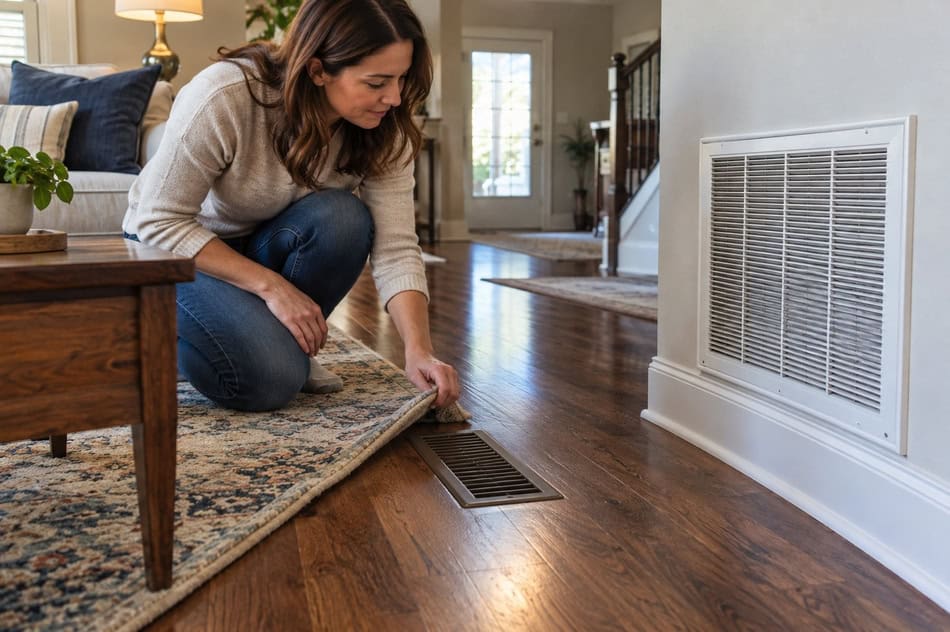
2. Make sure vents and returns aren’t blocked
Walk through the house and check every heating vent and return-air grille.
Look for:
- Furniture pushed over vents
- Rugs covering floor registers
- Curtains blocking airflow
- Dust and pet hair collecting on grilles
- Children’s toys or other items sitting on registers
Vacuum dusty registers and give the system room to circulate air.
Good airflow can also help prevent hot and cold spots around the house.
3. Test your thermostat
Don’t wait for the first 30-degree night to find out that something isn’t working.
Set the thermostat to HEAT, then raise the temperature several degrees above the current room temperature.
Within a few moments, you should hear the heating system begin operating.
Let it run long enough to confirm that warm air is coming from the vents or that your radiators or baseboards are beginning to heat.
If the furnace repeatedly starts and stops, fails to ignite, or doesn’t produce heat, schedule service rather than continually resetting it.
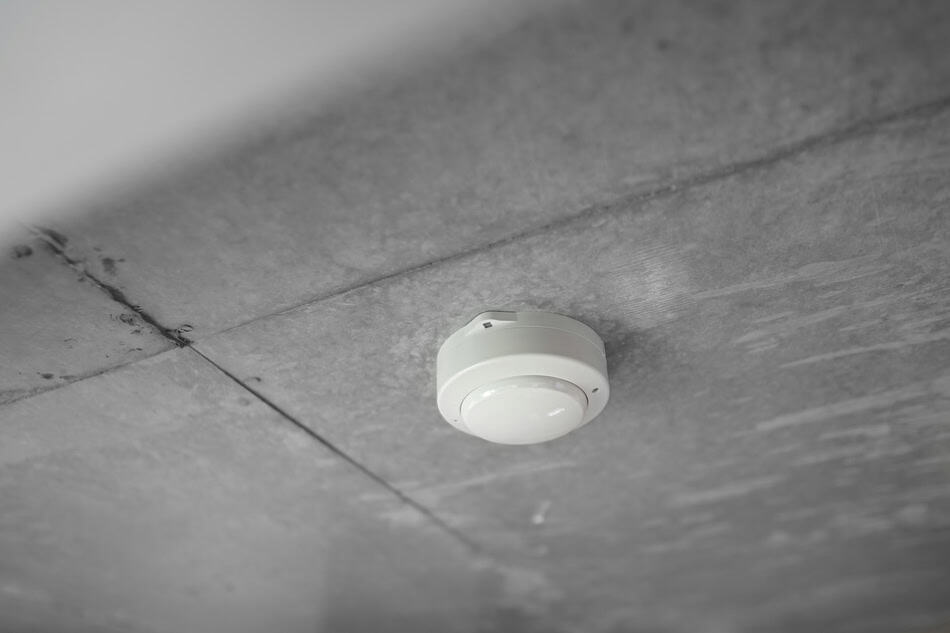
4. Test your carbon monoxide detectors
This is one of the most important steps on the list.
Fuel-burning furnaces, boilers, fireplaces, water heaters, and wood stoves can produce carbon monoxide if something goes wrong with the equipment or venting.
The U.S. Consumer Product Safety Commission recommends having fuel-burning heating systems inspected every year and checking chimneys, flues, and vents for blockages, corrosion, or loose connections. U.S. Consumer Product Safety Commission
Press the test button on every carbon monoxide alarm in your home and replace batteries or the entire detector when required by the manufacturer.
Never ignore a carbon monoxide alarm.
5. Check your smoke alarms, too
Heating season is also a good time to test every smoke alarm in the house.
Farmers’ Almanac has traditionally recommended using the fall seasonal change as a reminder to check smoke and carbon monoxide detectors as part of your overall cold-weather home preparation. Farmers’ Almanac
Make sure alarms are working on every level of your home and near sleeping areas as required by local codes.
Also check the expiration date. Smoke and carbon monoxide alarms don’t last forever.
6. Look around the furnace or boiler
Before the system starts running regularly, take a look around it.
Remove anything that shouldn’t be stored nearby, particularly:
- Cardboard boxes
- Paper
- Paint
- Gasoline
- Cleaning chemicals
- Clothing
- Other combustible materials
Then look for obvious signs of trouble such as water, rust, soot, damaged pipes, loose vent connections, or unusual corrosion.
You don’t need to disassemble anything. If something looks wrong, that’s a job for a qualified heating professional.
7. Have your heating system inspected
An annual professional inspection is particularly important for fuel-burning heating equipment.
The CPSC recommends having heating systems professionally inspected and serviced each year. The inspection should include furnaces or boilers as well as associated chimneys, flues, and vents. U.S. Consumer Product Safety Commission
That’s also consistent with the Farmers’ Almanac fall home-maintenance checklist, which recommends servicing your furnace before winter arrives. Farmers’ Almanac
This is best done before the first major cold snap, when HVAC companies can suddenly become much busier.
Related: Fall Weather Hazards and Safety Tips
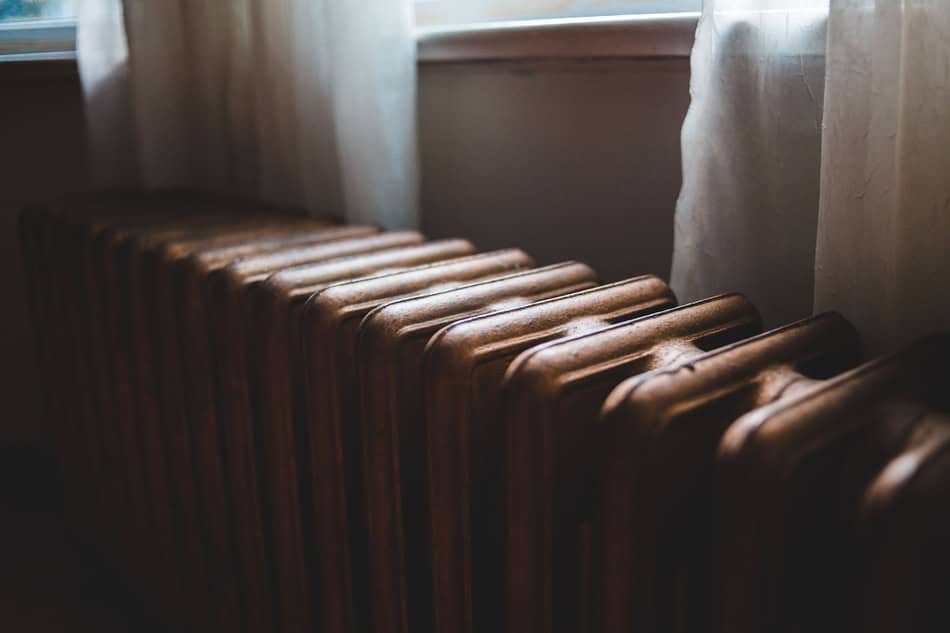
8. Check radiators and baseboard heat
If your home uses radiators or hot-water baseboards, give them their own inspection.
Move furniture and curtains away from them and vacuum accumulated dust.
Look for:
- Water around valves
- Corrosion
- Leaking fittings
- Radiators that stay completely cold
- Persistent banging or gurgling sounds
Some hot-water systems may need trapped air removed, but follow your system manufacturer’s instructions or contact a heating professional if you’re unsure.
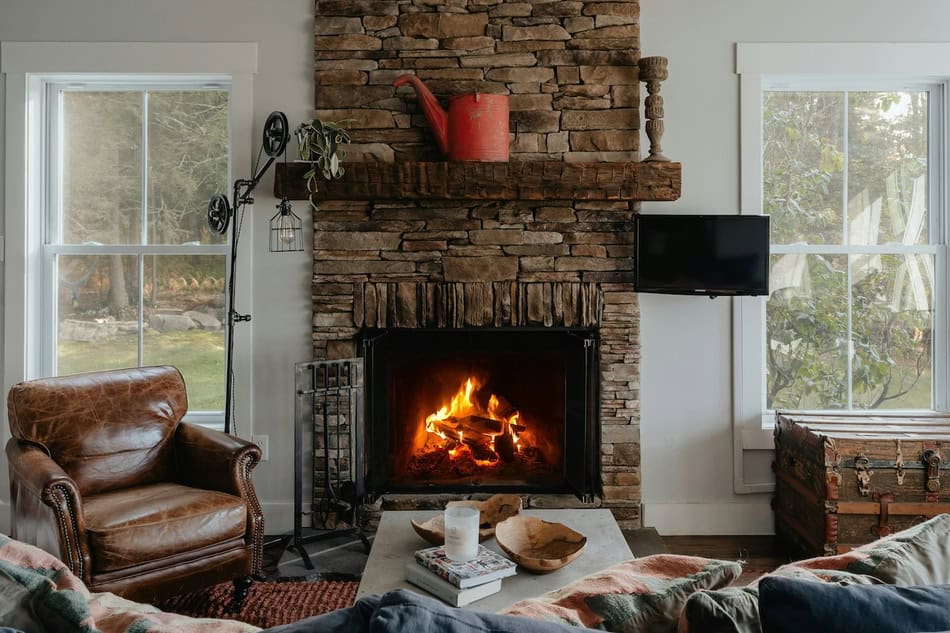
9. Check your chimney and fireplace
If you supplement your home’s heat with a fireplace or wood stove, your chimney deserves attention before the first fire.
Creosote, animal nests, leaves, and other debris can create dangerous conditions inside a chimney.
The EPA recommends having fuel-burning appliances, including fireplaces and wood stoves, inspected by a trained professional at the beginning of the heating season and ensuring that chimneys and flues are connected, clear, and in good condition. US EPA
Farmers’ Almanac also recommends having fireplaces and wood stoves cleaned and inspected as part of fall home preparation. Farmers’ Almanac
Related: Cold Weather Safety Tips and Winter Home Prep
10. Turn the heat on before you actually need it
One of the smartest things you can do is test your heating system on a mild fall day.
Run it for 10 to 20 minutes.
Listen for unusual noises. Walk around the house. Check the vents. Look at the furnace or boiler. Make sure everything appears to be functioning normally.
If there’s a problem, you’ll have time to address it before nighttime temperatures plunge.
What is that burning smell when you first turn on the heat?
Don’t be surprised if you notice a faint dusty smell the first time you turn on a forced-air furnace after summer.
Dust can collect on heating components while they’re unused, and it may produce a temporary odor when the system first warms up.
That smell should normally fade fairly quickly.
However, turn the system off and investigate if you notice:
- A strong electrical or burning-plastic smell
- Visible smoke
- A persistent smoky odor
- A rotten-egg or gas odor
- A carbon monoxide alarm
- Unusual banging, grinding, or screeching
If you smell natural gas, leave the area and follow the instructions of your local gas utility or emergency authorities.
When should you turn on your heat?
There isn’t one magic date.
A homeowner in Minnesota might need heat weeks before someone in Georgia, and temperatures can vary dramatically from one year to the next.
Rather than choosing an arbitrary calendar date, pay attention to indoor temperature and your local forecast.
Many households begin using heat when overnight temperatures consistently become cold enough that the house no longer remains comfortable without it.
And don’t wait until the first freeze to discover your furnace isn’t working.
Your Before-Heating-Season Checklist
Before turning on the heat:
- Change the HVAC filter.
- Vacuum and uncover heating vents.
- Test the thermostat.
- Test carbon monoxide detectors.
- Test smoke alarms.
- Clear the area around the furnace or boiler.
- Have fuel-burning heating equipment inspected.
- Check radiators or baseboards.
- Inspect and clean fireplaces and chimneys as needed.
- Run the system once before the first truly cold night.
A few minutes of preparation in autumn can save you a much colder—and potentially much more expensive—surprise later in the season.
Related Farmers’ Almanac reading:

- Tim Konrad

- Tim Konrad
- Tim Konrad
- Tim Konrad