How Did People Stay Cool Before Air Conditioning?

From sleeping porches to blocks of lake ice, Americans once used surprisingly clever ways to survive the hottest days of summer.
Long before central air and window units, summer heat shaped nearly every part of American life.
People built homes to catch breezes, cooked in separate buildings, slept outdoors, planted shade trees, and relied on ice harvested months earlier from frozen lakes. These methods could not make a house cold, but they often made hot weather far more bearable.
Homes Were Built to Catch the Breeze
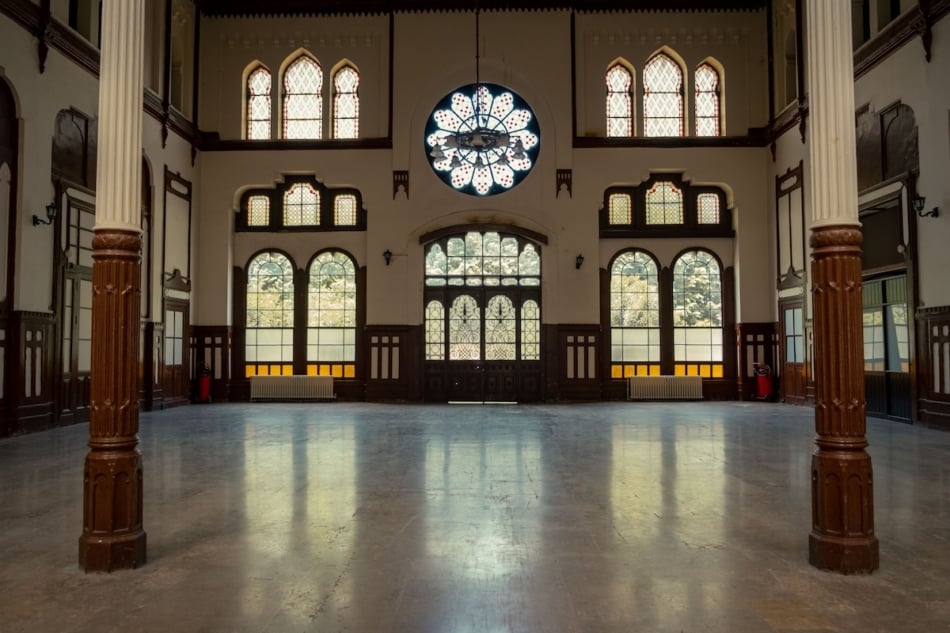
Older American homes often featured high ceilings, large windows, shutters, transoms, and deep porches.
These features allowed hot air to rise and helped breezes move through the house. Families opened windows on opposite sides of a room to create cross-ventilation and closed shutters or curtains before the afternoon sun heated the interior.
In the South, some families lived in dogtrot cabins. These homes had two enclosed sections beneath one roof, separated by an open central breezeway. According to the National Park Service, the shaded passage provided much-needed relief during hot Southern summers.
People Slept on Porches
Upstairs bedrooms could remain hot long after the sun went down, so many Americans moved their beds onto screened porches during the summer.
Window screens became increasingly common during the late 1800s, making it possible to leave windows open without filling the house with mosquitoes and other insects. The Smithsonian’s National Museum of American History explains how screens transformed the way Americans ventilated their homes.
Even the White House had a sleeping porch. President William Howard Taft had a screened sleeping area built on the White House roof in 1910 to escape Washington’s humid summer nights, according to the White House Historical Association.
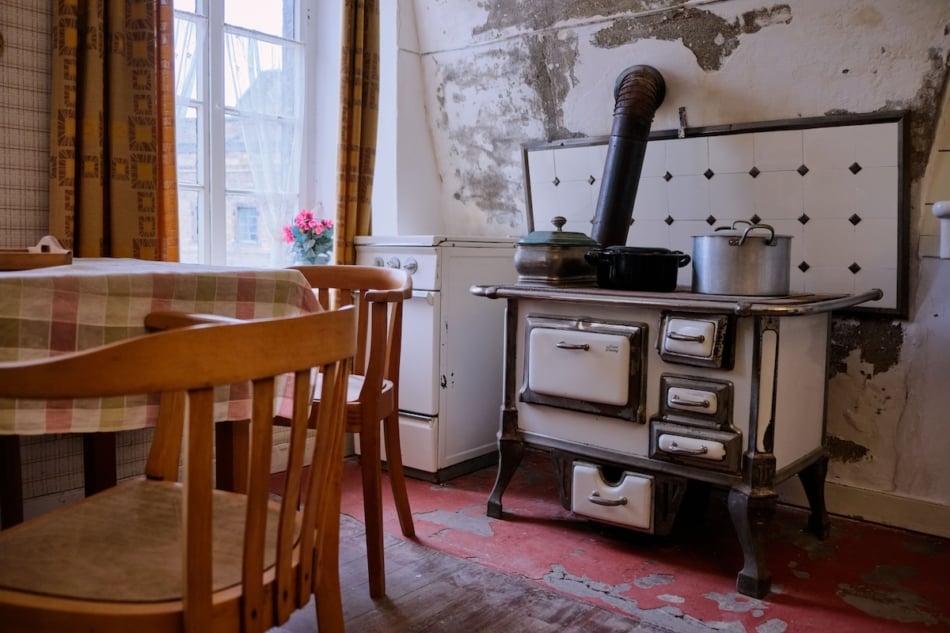
Cooking Was Moved Away From the House
Wood- and coal-burning stoves could make a kitchen unbearably hot.
To keep that heat away from the main living area, some American homes had detached summer kitchens. These small buildings were used for cooking, baking, canning, and other hot household work during the warmest months.
The National Park Service notes that separate kitchens helped keep heat, smoke, odors, and some fire risk away from the main house.
Families also prepared food early in the morning, when temperatures were cooler, and served meals that required less time over a hot stove.

Ice Was Harvested During Winter
Before electric refrigerators, workers cut large blocks of ice from frozen lakes and ponds during the winter.
The ice was packed in sawdust or another insulating material and stored in icehouses until summer. It was later delivered to homes, restaurants, and businesses for use in iceboxes, cold drinks, and frozen desserts.
The Smithsonian has documented how natural ice harvesting became a major American industry during the 1800s.
For many families, the arrival of the iceman was an important part of summer life.
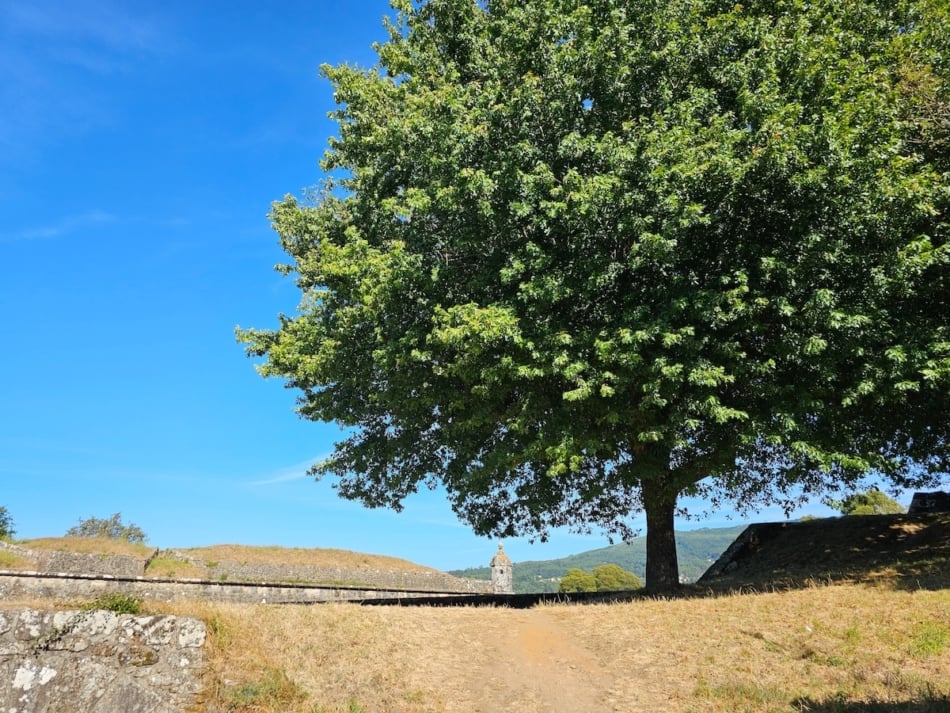
Shade Was One of the Best Defenses
Americans used trees, awnings, shutters, curtains, and wide porches to stop the sun from heating the house.
Large shade trees could reduce the amount of direct sunlight reaching walls and windows. Porches protected the house while also creating a cooler outdoor living area.
Rocking chairs, porch swings, and evening conversations were not simply nostalgic traditions. During the summer, the porch was often the most comfortable place to be.
Daily Life Followed the Weather
Before air conditioning, Americans adjusted their schedules to the heat.
Heavy work was often done early in the morning or later in the evening. Families rested during the hottest part of the afternoon, opened the house after sunset, wore lightweight clothing, and spent as much time as possible in shaded outdoor spaces.
These methods did not eliminate the discomfort or dangers of extreme heat. But they show how earlier generations adapted their homes and routines to the seasons.
Before air conditioning, staying cool was not about pushing a button. It was about shade, airflow, ice, and knowing when to slow down.

- Tim Konrad

- Tim Konrad
- Tim Konrad
- Tim Konrad