Can You Predict Rain by Smelling It? The Science Behind Nature’s Storm Scent
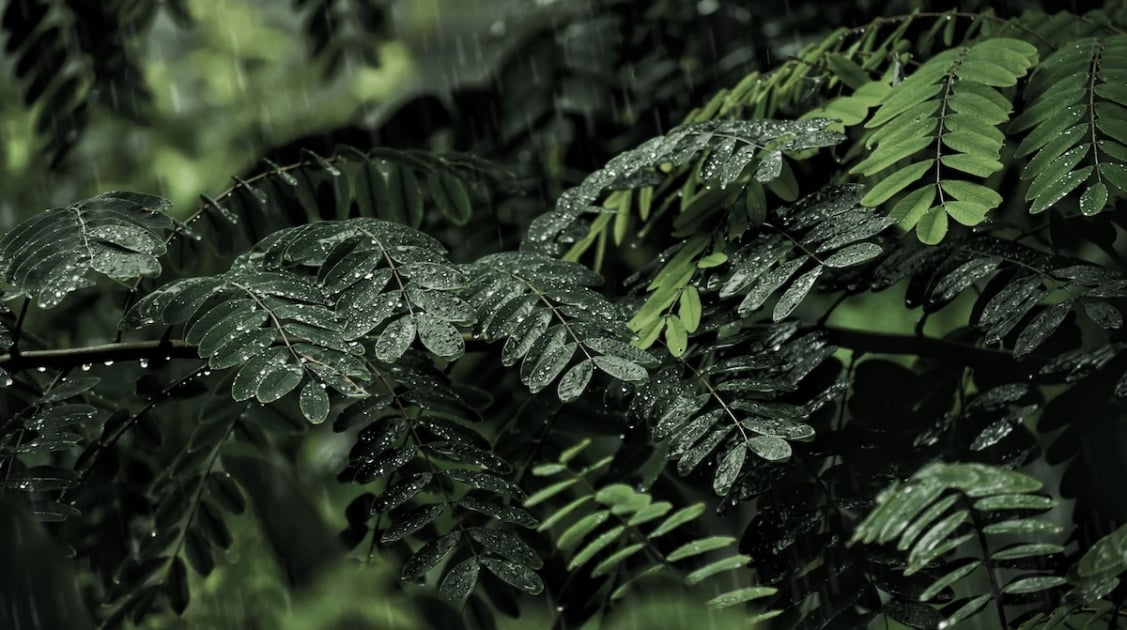
Long before Doppler radar, weather satellites, and smartphone apps, people relied on their senses to anticipate changing weather. Farmers, sailors, hunters, and gardeners watched the skies, studied the wind, listened to birds—and even trusted their noses.
Have you ever stepped outside and noticed a rich, earthy scent just before it starts to rain? That familiar fragrance isn’t your imagination. Scientists now understand what causes it, and it turns out our ancestors were onto something all along.
What Is the Smell of Rain Called?
The pleasant earthy aroma that often accompanies rainfall is called petrichor (pronounced PET-ri-kor).
The word was coined in 1964 by Australian researchers Isabel Joy Bear and Richard G. Thomas, combining the Greek words petra (“stone”) and ichor (“the fluid flowing through the veins of the gods”).
Petrichor develops when rain falls on dry soil, rocks, and vegetation, releasing naturally occurring compounds into the air.
Why Does Rain Smell So Good?
The scent is actually a blend of several natural ingredients.
1. Plant Oils
During dry periods, many plants release oils that accumulate on nearby soil and rocks. Researchers believe these oils may help delay seed germination until moisture becomes available.
When the first raindrops strike the ground, these oils become airborne, contributing to rain’s distinctive fragrance.
2. Geosmin
The biggest contributor to petrichor is geosmin, a naturally occurring compound produced by soil-dwelling bacteria called actinomycetes, particularly those in the genus Streptomyces.
As soil dries, these bacteria produce spores containing geosmin. When rain hits the ground, tiny air bubbles become trapped inside the raindrops. As those bubbles burst, they launch microscopic droplets carrying geosmin into the air.
Humans are extraordinarily sensitive to geosmin—we can detect it at concentrations as low as a few parts per trillion.
That’s why even a light sprinkle after a dry spell can produce such a noticeable aroma.
Can You Smell Rain Before It Starts?
Surprisingly, yes.
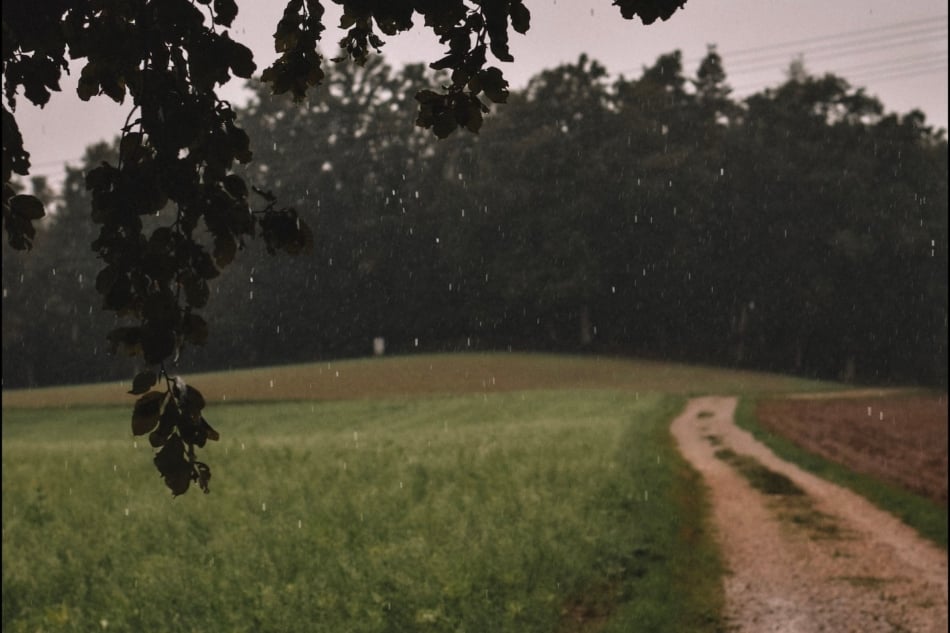
Sometimes you’ll catch the scent of rain before the first drop falls where you’re standing.
That’s because winds ahead of an approaching storm can carry moisture, plant oils, and geosmin from rain falling several miles away.
In other words, your nose may be detecting rainfall that’s already occurring nearby—even if your location is still dry.
Why Does the Air Sometimes Smell Different Before a Thunderstorm?
If you’ve ever noticed a sharp, fresh scent before a summer thunderstorm, you may actually be smelling ozone.
Lightning can split oxygen molecules high in the atmosphere, creating ozone (O₃). Powerful downdrafts within thunderstorms may carry small amounts of ozone toward the ground before the rain arrives.
The smell is often described as clean, crisp, or similar to chlorine.
Did People Really Use Smell to Predict the Weather?
Absolutely.
Long before modern forecasting, people paid close attention to changes in the natural world. While they didn’t know about geosmin or atmospheric chemistry, they recognized that rain often had a smell.
It was just one clue among many.
Other traditional weather signs included:
- Swallows flying low
- Smoke hanging close to the ground
- Frogs croaking more loudly
- Cows gathering together
- Pine cones closing
- A halo around the Moon
- Heavy morning dew
- Rising humidity
Many of these observations have scientific explanations, while others remain weather folklore passed down through generations.
Related Reading: Old Weather Lore: 25 Weather Sayings That Still Fascinate Today
Can Your Nose Really Predict Rain?
Not exactly—but it can provide useful clues.
The smell itself doesn’t cause rain, nor does it guarantee that rain is about to fall where you are.
However, if conditions are right, smelling petrichor or ozone may indicate:
- Rain has already fallen nearby.
- Moisture is increasing.
- Winds are carrying storm-related compounds toward you.
- A weather system is approaching.
It’s one more way nature quietly signals a change in the atmosphere.
Why Is the Smell Strongest After a Long Dry Spell?
The aroma is usually strongest after weeks of warm, dry weather.
That’s because:
- Plant oils have had more time to accumulate.
- Soil bacteria have produced more geosmin.
- The first rainfall releases the highest concentration of these compounds.
After several rainy days, much of that buildup has already been washed away, making the scent less noticeable.
Nature Still Has Plenty to Teach Us
Even with today’s advanced forecasting technology, it’s remarkable how many natural signs still reveal what’s happening in the atmosphere.
The next time you notice that unmistakable earthy fragrance drifting through the air, pause for a moment.
Your nose may be detecting one of nature’s oldest weather clues.
Frequently Asked Questions
What is the smell before rain called?
The earthy smell before or during rainfall is called petrichor. It results from plant oils and the compound geosmin being released into the air when rain hits dry ground.
What causes petrichor?
Petrichor is created when rain releases plant oils and geosmin—a compound produced by soil bacteria—into the air.
Can humans really smell rain coming?
Sometimes. Winds ahead of an approaching storm can carry petrichor and ozone from rainfall occurring nearby, allowing people to notice the scent before rain begins at their location.
Why does rain smell stronger after a drought?
Dry weather allows plant oils and geosmin to accumulate. The first rainfall releases a larger concentration of these compounds, creating a stronger aroma.
Learn More
You may also enjoy:
- Why Does the Sky Change Colors at Sunrise and Sunset?
- Old Weather Sayings: Which Ones Actually Work?
- How Farmers Predicted Rain Before Weather Radar
- What Causes Thunder and Lightning?
- Can Animals Predict the Weather?
Sources
- Bear, I. J., & Thomas, R. G. (1964). Nature of Argillaceous Odour. Nature, 201, 993–995. https://www.nature.com/articles/201993a0
- Massachusetts Institute of Technology (MIT). Rainfall can create aerosols that carry the smell of rain. https://news.mit.edu/2015/rainfall-smell-aerosols-petrichor-0114
- American Chemical Society (ACS). The Chemistry of Rain Smell. https://www.acs.org/education/whatischemistry/adventures-in-chemistry/experiments/the-chemistry-of-rain.html
- National Weather Service. JetStream Weather School: Thunderstorms. https://www.weather.gov/jetstream/thunderstorms

- Tim Konrad

- Tim Konrad
- Tim Konrad
- Tim Konrad