How to Turn Your Yard Into a Firefly Haven
A few small changes to your landscaping can do a lot more lightning bugs back to your summer evenings.

If your yard used to light up with fireflies every summer and doesn’t quite anymore, you’re might not be imagining it. It’s estimated that out of the 170 species of fireflies across native to North America one in three may be at risk of extinction. The good news is that attracting more lightning bugs isn’t complicated, and it usually has more to do with what you leave alone than what you add. Here’s how to make your property more inviting to them.
Let Your Grass Grow a Little Taller
Adult fireflies get all the attention, but they spend most of their lives as larvae living down in the soil and vegetation. A lawn that’s mowed short and kept tidy offers very little cover for them to grow up in.
Letting a section of your yard grow slightly taller, especially near the edges or in a back corner, gives firefly larvae the shelter and humidity they need to thrive. You don’t have to let the whole lawn go wild, even a small section left untamed can make a real difference.

Leave the Leaves
A thorough fall cleanup feels productive, but it can wipe out next summer’s fireflies before they’ve even had the chance to hatch. Leaf litter and other organic debris create the damp, sheltered conditions firefly larvae need to survive the colder months.
Instead of bagging every leaf, consider raking them into a loose pile under a tree or along a garden border and leaving them through winter. It’s low effort, and it doubles as free mulch come spring.

Add Native Plants and Some Shade
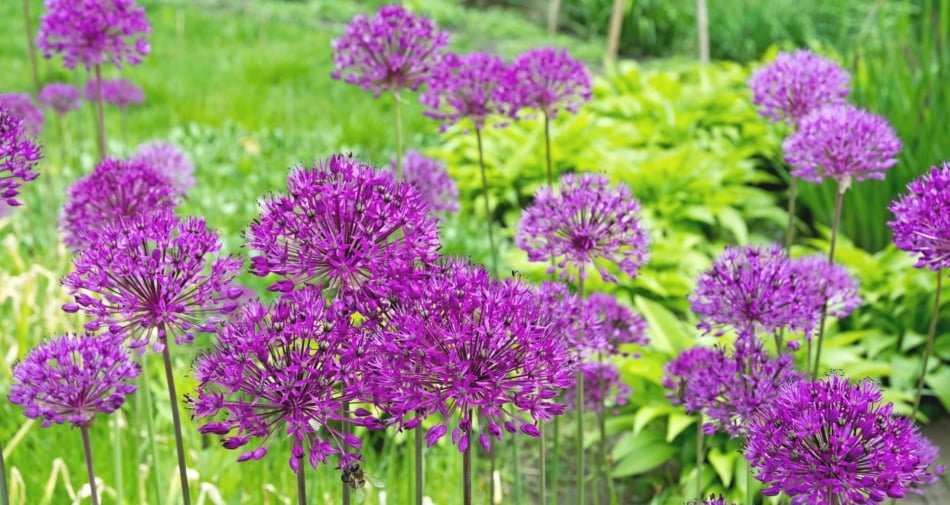
Dense, native vegetation gives adult fireflies a place to rest during the day, and it supports the smaller insects, slugs, and snails that fireflies eat as larvae. A layered garden — tall grasses, shrubs, and low ground cover — tends to work better than a single trimmed hedge or open lawn.
Trees and taller plantings also help by providing shade, which keeps the soil beneath them cooler and more consistently moist, exactly the kind of environment fireflies favor.
Keep Things Damp
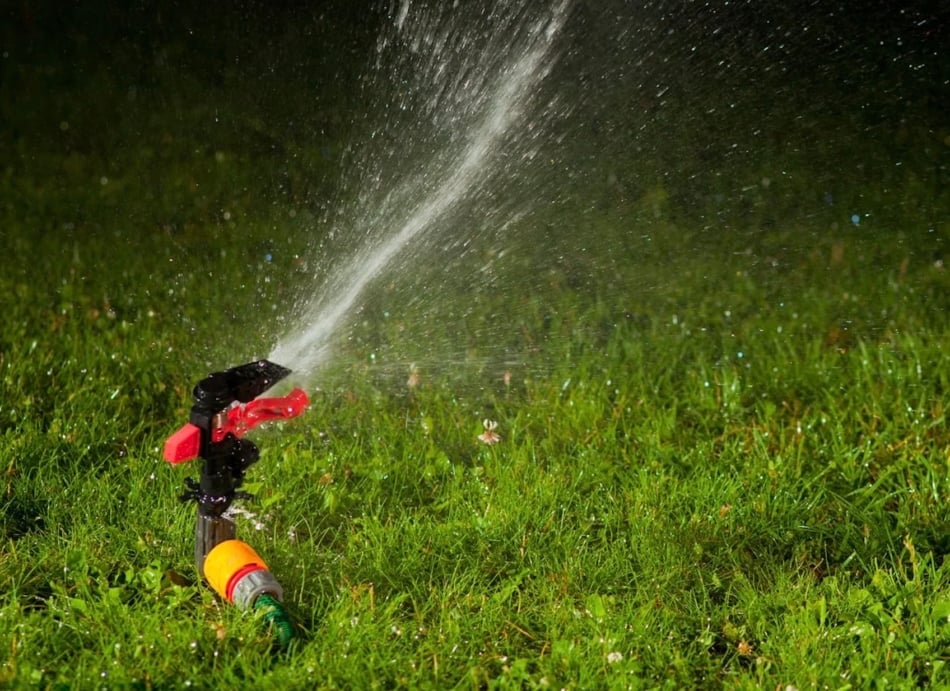
Moisture matters more to fireflies than most people realize. Their larvae thrive in humid soil, and many species are drawn to areas near ponds, streams, or low-lying garden beds that stay naturally damp.
Avoid letting the ground dry out completely during the summer months if you’re hoping to keep firefly larvae around, even a consistently moist corner of the yard or a shaded area near a downspout can help.
Turn Off the Lights
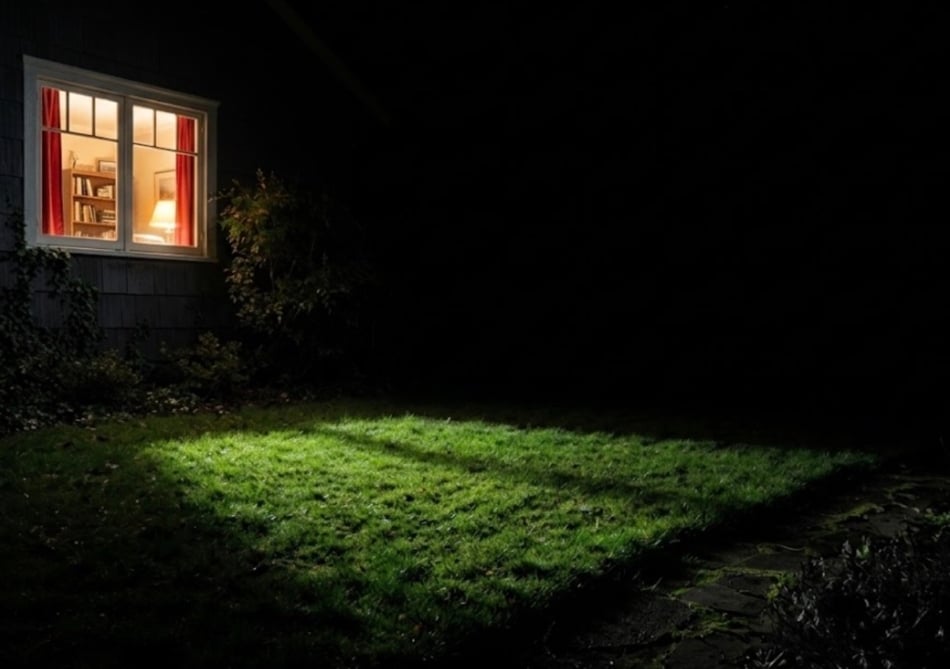
This one is simple, but it matters. Fireflies communicate by flashing patterns of light to attract mates, and too much artificial light can drown out those signals entirely.
- Turn off porch lights and floodlights when they’re not needed
- Avoid leaving string lights or landscape lighting on overnight during summer
- Consider motion-sensor lighting instead of lights that stay on continuously
- Close blinds or curtains in the evening if indoor lighting spills into the yard
A darker yard in the evening gives fireflies a much better chance of finding each other.
Skip the Pesticides
Broad pesticide use is one of the fastest ways to clear fireflies out of a yard. Since larvae live in the soil for most of the year, treatments aimed at lawn pests or garden insects often affect them too. Where possible, rely on natural pest control methods instead, and avoid spraying areas of tall grass, leaf litter, or garden beds where larvae are likely to be living.
Small Changes, Bigger Results
Thankfully you don’t need to overhaul your whole yard to see a difference when it comes to attracting these delightful luminescent creatures. A little unmowed grass, a pile of leaves left through winter, a lighter touch with outdoor lighting: these small choices can add up to a better firefly turnout in your backyard.


- Farmers' Almanac Staff

- Farmers' Almanac Staff
- Farmers' Almanac Staff
- Farmers' Almanac Staff