Don’t Take Down Your Hummingbird Feeder Yet! Here’s Why

Late August is here, and you may have noticed there aren’t quite as many hummingbirds zipping around the yard as there were a few weeks ago.
That doesn’t mean it’s time to put the feeder away.
Hummingbirds know when it’s time to migrate, and leaving a feeder out won’t convince them to stay behind. In fact, keeping it filled a little longer can give both your local birds and late-season migrants an important place to refuel before continuing south.
Your Feeder Won’t Stop Hummingbirds From Migrating
One of the most persistent hummingbird myths is that leaving a feeder out too long will tempt the birds to stay when they should be heading south.
Fortunately, that isn’t how hummingbird migration works.
Hummingbirds have a powerful instinct to migrate. Changes in daylight are among the important signals that tell them when it’s time to move. A backyard filled with flowers—or a feeder filled with sugar water—isn’t enough to convince a healthy migrating hummingbird to cancel its trip.
When the time comes, they will go.
So you don’t need to remove your feeder to “encourage” them to leave.

Late-Summer Feeders Can Help Migrating Hummingbirds
There’s actually a good reason to do the opposite.
Keep that feeder up.
During migration, hummingbirds need an enormous amount of energy. These tiny birds may travel hundreds or even thousands of miles between their breeding and wintering grounds.
Your regular summer hummingbirds may disappear, only to be replaced by birds migrating from farther north.
That hummingbird suddenly appearing at your feeder in September may have spent the summer hundreds of miles away and simply stopped in your backyard for a much-needed meal.
Think of your feeder as a tiny roadside rest stop.
A hummingbird can refuel, rest and continue south.
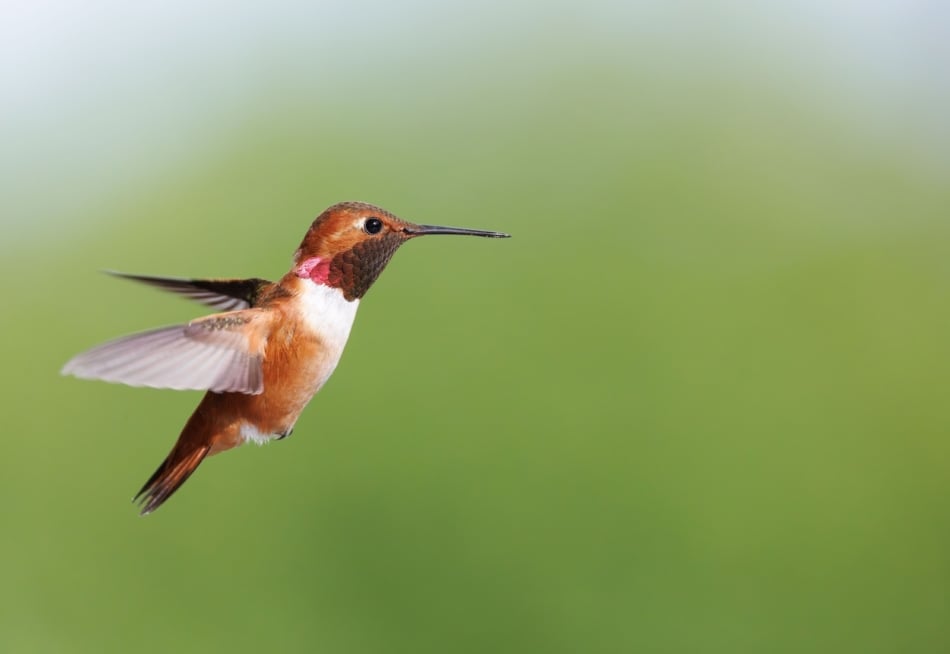
When Should You Finally Take Your Hummingbird Feeder Down?
There’s no single date that works everywhere.
A good Farmers’ Almanac rule of thumb is:
Wait at least two weeks after you see your last hummingbird before taking the feeder down.
That gives late migrants and stragglers an opportunity to stop for food even after the hummingbirds that spent the summer in your yard have departed.
In much of the northern United States, hummingbird activity begins declining noticeably during late summer and early fall.
Farther south, migrating hummingbirds may continue passing through much later.
And in some warmer parts of the country, hummingbirds can even be present during winter.
So watch the birds—not simply the calendar.
Keep Your Nectar Fresh
There is one important catch to leaving a hummingbird feeder hanging:
You need to keep maintaining it.
Old sugar water can spoil quickly, especially during the warm days that often linger into late August and September.
Continue washing your feeder regularly and replacing the nectar rather than allowing an unattended feeder to sit outside for weeks.
A simple hummingbird nectar mixture is:
1 part plain white granulated sugar to 4 parts water.
That’s all you need.
Avoid honey, artificial sweeteners and red food coloring.
And if the nectar becomes cloudy or the feeder begins developing mold, clean it immediately.
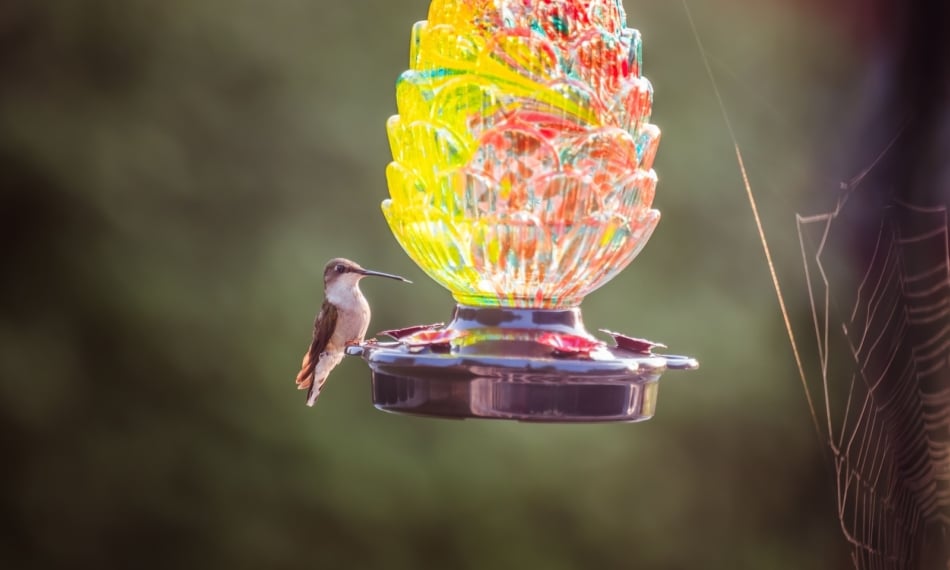
Don’t Be Surprised If Hummingbird Activity Suddenly Increases
Late summer can actually be one of the most exciting times of year to watch hummingbirds.
You may notice birds becoming more active around flowers and feeders as they prepare for migration.
You might also see hummingbirds that you don’t recognize.
Migrating birds from farther north can pass through areas where they were absent during summer, turning an ordinary backyard into a temporary hummingbird rest stop.
So keep watching.
That hummingbird hovering outside your kitchen window tomorrow morning might be a familiar summer resident—or a tiny traveler passing through on an extraordinary journey south.
Help Them Along the Way
A clean feeder isn’t the only thing that can help.
Late-blooming flowers provide valuable natural nectar, while shrubs and trees give migrating birds places to rest and shelter.
Fresh water can also make a backyard more inviting to birds moving through during late summer and fall.
And whenever possible, allow some nectar-rich flowers to remain blooming rather than cleaning up the garden too early.
Fall may be approaching, but your backyard can still be an important stop for wildlife.
The Bottom Line
Don’t take your hummingbird feeder down just because August is ending.
Keeping it up won’t prevent hummingbirds from migrating.
Instead, a clean feeder filled with fresh nectar can provide extra fuel for birds preparing to leave—and for migrants still heading south long after your familiar summer hummingbirds have disappeared.
Keep watching your feeder and wait about two weeks after your final hummingbird sighting before putting it away for the season.
You never know when one last tiny traveler may stop by.
Have you noticed fewer hummingbirds yet—or are your feeders busier than ever?
For the timing where you live, see when to take your hummingbird feeder down.

- Tim Konrad

- Tim Konrad
- Tim Konrad
- Tim Konrad