September Lawn Care: Your Lawn’s “Second Spring” Starts Now
September can be a “second spring” for cool-season lawns. Learn when to seed, aerate, fertilize, dethatch and control weeds—and what to avoid during heat and drought.

For cool-season lawns, September may be the most important lawn-care month most homeowners overlook. Here’s what to seed, aerate, fertilize, dethatch—and when to leave a stressed lawn alone.
Your lawn may have looked tired, thin, or downright brown through the dog days of summer.
Then September arrives.
Nights get longer. Temperatures begin to ease. Morning dew becomes heavier. Rain may become more frequent. And seemingly overnight, patches of grass that barely grew in July and August can begin pushing out fresh green blades.
Think of it as your lawn’s second spring.
For millions of homeowners with cool-season grasses such as Kentucky bluegrass, tall fescue, perennial ryegrass, and fine fescue, late summer and early fall are among the most important weeks of the entire lawn-care year.
In fact, many of the jobs homeowners traditionally associate with spring—seeding, overseeding, aerating, fertilizing, dethatching, and controlling perennial broadleaf weeds—may actually work better in fall.
But timing matters enormously.
September lawn care in Minnesota is different from September lawn care in Maryland, Oregon, Georgia, or Florida. And if your lawn is still suffering through drought or extreme heat, sometimes the smartest thing you can do is wait.
Here’s how to take advantage of your lawn’s “second spring.”
Quick Reference: September Lawn Care
For cool-season lawns, September is often a prime time to:
- Overseed thin or bare areas
- Core aerate compacted soil
- Fertilize if appropriate for your lawn and soil
- Dethatch when excessive thatch is actually present
- Control established broadleaf weeds
- Resume regular mowing as growth increases
- Repair damage left by summer heat and drought
The University of Minnesota Extension lawn-care calendar, for example, lists early August through late September for seeding, mid-August through mid-October for aerating, mid-August through September for dethatching, and September through late October for broadleaf weed control. Local timing varies with climate and weather.
Warm-season lawns are different. Bermuda, zoysia, centipede, St. Augustine, and similar grasses generally should not be treated like Northern cool-season lawns in September.
Why Grass Gets a “Second Spring” in Fall
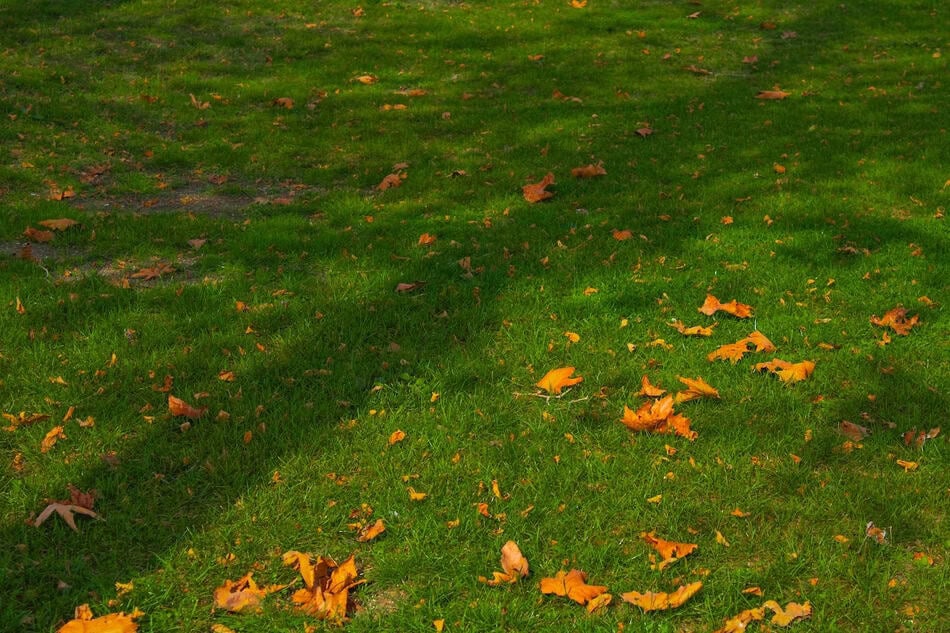
There is real plant science behind that sudden September comeback.
Cool-season grasses are built for moderate temperatures.
According to Penn State Extension’s guide to cool-season turfgrass growth, the optimum temperature for leaf growth in many cool-season turfgrasses is roughly 60°F to 75°F, while root growth is strongest when soil temperatures are approximately 50°F to 65°F. Root growth is generally strongest during spring and fall and much weaker during the heat of summer.
That explains what many homeowners see every year.
When July heat pushes soil and air temperatures upward, cool-season grass growth slows dramatically. During hot, dry weather, some grasses—especially Kentucky bluegrass—may even enter summer dormancy as a survival mechanism.
Then the weather changes.
Cooler nights reduce heat stress. Moisture becomes easier to retain. Roots begin growing more vigorously again.
And unlike spring, the soil is still warm from summer.
That combination—warm soil, cooler air, adequate moisture, and less pressure from many summer annual weeds—makes late summer and early fall an unusually favorable period for establishing grass.
Iowa State University Extension notes that cool-season grass seed germinates rapidly in warm late-summer soil, while warm fall days and cool nights encourage turf growth.
That is your second spring.
1. Overseed Thin Spots Before the Window Closes
If summer left your lawn thin, patchy, or bare, overseeding may be the most valuable September lawn job of all.
New grass needs enough time to germinate and establish roots before consistently cold weather arrives.
That makes earlier better—particularly across the northern United States.
Start by:
- Mowing the existing lawn.
- Removing excessive debris or thatch.
- Loosening the soil surface or core aerating compacted areas.
- Spreading a grass seed appropriate for your region and growing conditions.
- Ensuring good seed-to-soil contact.
- Keeping the upper layer of soil consistently moist while the seed germinates.
Do not simply toss seed onto thick grass and hope for the best. Seed touching soil has a far better opportunity to establish.
And keep your local frost timing in mind. Our 2026 First Frost Dates guide can help you see how quickly colder weather typically arrives where you live.
2. Aerate Compacted Soil
Does water puddle on your lawn?
Does the soil feel hard?
Has the yard endured months of children playing, pets running, parties, mowing, or heavy foot traffic?
Your soil may be compacted.
Core aeration removes small plugs of soil, opening spaces for air and water while giving turf roots a better environment in which to grow.
For cool-season lawns, fall is generally one of the best times to do it.
The University of Maryland Extension recommends autumn aeration particularly in compacted areas and notes that aerating before overseeding can improve seed germination and lawn growth.
One important distinction: use a core aerator that actually removes plugs of soil rather than simply punching solid spikes into the ground.
And don’t aerate bone-dry or waterlogged ground. Soil should generally be moist enough for the machine to pull plugs effectively without turning the yard into mud.
3. Fertilize—But Don’t Simply Dump Nitrogen on the Lawn
Cool-season grasses may respond strongly to appropriate fall fertilization because they are once again actively growing.
But “it’s September” is not, by itself, a reason to fertilize.
Your lawn’s grass species, soil fertility, local regulations, weather, and previous applications all matter.
A soil test is the best place to start if you do not know what your lawn actually needs.
Avoid the temptation to assume that more fertilizer means greener or healthier grass. Excess fertilizer can burn turf, promote unnecessary top growth, wash into waterways, and create other problems.
If you’re interested in understanding fertilizers and soil nutrients more broadly, see our guide to natural fertilizers and soil testing.
And if September remains unusually hot and dry where you live, wait. Fertilizing heavily stressed turf can do more harm than good.
4. Dethatch Only If You Actually Have a Thatch Problem
Dethatching is another lawn job that homeowners sometimes perform simply because fall has arrived.
That is unnecessary.
A modest layer of organic material at the soil surface is normal. Excessive thatch is the problem.
If a thick, spongy layer of stems, roots, and undecomposed material is keeping water and nutrients from reaching the soil, dethatching can help.
For cool-season lawns in Minnesota, Extension guidance places the primary dethatching window from mid-August through September.
But aggressive dethatching stresses grass.
Do it when the turf is actively growing and capable of recovery—not while it is brown, dormant, drought-stressed, or baking in lingering summer heat.
5. Fall Can Be an Excellent Time to Attack Broadleaf Weeds
Dandelions, plantain, clover, creeping Charlie, and other perennial broadleaf weeds may still be very much alive in September.
That can work to your advantage.
As perennial plants prepare for winter, they begin moving carbohydrates toward their root systems. Systemic herbicides applied at the proper time can travel through the plant as well.
Iowa State University Extension calls late September through early November one of the best periods for controlling perennial broadleaf weeds for that reason.
Whenever using an herbicide, read and follow the product label exactly.
Also be careful when combining weed control with overseeding. Some herbicides can interfere with new grass seedlings, and required waiting periods vary by product.
September Lawn Care by Region
There is no single lawn calendar that works everywhere in America.
Here’s how the September window generally changes as you move around the country.
Northeast and Upper Midwest: This Is Prime Time
From Minnesota and Wisconsin through Michigan, upstate New York, and much of New England, September can be one of the busiest lawn-care months of the year.
For cool-season turf, prioritize:
- Overseeding thin lawns
- Repairing bare spots
- Core aerating compacted areas
- Fertilizing appropriately
- Dethatching where necessary
- Preparing for fall broadleaf weed control
But do not procrastinate on seeding.
Northern lawns have less time before cold temperatures arrive, and Kentucky bluegrass in particular can take longer to establish than faster-germinating perennial ryegrass.
Minnesota Extension places its recommended seeding period from early August through late September, illustrating how early the ideal fall window can begin in northern climates.
If your first frost is approaching, put seeding ahead of cosmetic jobs.
Mid-Atlantic and Transition Zone: September May Be the Sweet Spot
The Mid-Atlantic sits in what turf experts often call the transition zone—an awkward region where summers can be hard on cool-season grass and winters can be challenging for some warm-season species.
Tall fescue is especially common.
Here, September is often an excellent time to repair summer damage.
University of Maryland Extension describes late summer through early fall as the best period for lawn renovation and overseeding, including aeration and grass seeding.
Maryland guidance allows seeding into October in suitable conditions, although earlier planting provides seedlings more time to become established before freezes.
In places such as Maryland, Virginia, Delaware, southern Pennsylvania, and surrounding areas, watch the weather rather than blindly following the calendar.
A 90-degree September afternoon is still a 90-degree afternoon.
If intense heat persists, waiting several days for a more favorable stretch can be smarter than forcing the job.
Pacific Northwest: Fall Is a Major Lawn-Renovation Season
The Pacific Northwest has its own version of the second spring.
Across western Oregon and Washington, cooler weather and the return of autumn moisture can revive lawns after the dry summer season.
Washington State University recommends September for aerating, overseeding, and top-dressing thin areas, with overseeding continuing into September and October in suitable locations.
Oregon State University likewise lists spring and fall as optimum periods for overseeding because conditions favor turfgrass germination.
Timing becomes tighter east of the Cascades and at higher elevations. In Central Oregon, OSU says the best general seeding period is mid-August through mid-September.
So once again: local climate beats the calendar.
Southern Warm-Season Lawns: Don’t Follow the Northern Playbook
If your lawn is bermudagrass, zoysiagrass, centipedegrass, or St. Augustinegrass, September lawn care is a different story.
These are warm-season grasses.
Their strongest growth occurs during warm weather, and as autumn approaches across much of the South, the plants begin preparing for winter dormancy.
That means September is generally not the time for aggressive aeration or dethatching of warm-season turf that is already slowing down.
Late nitrogen applications can also be risky in areas where winter dormancy is approaching.
For example, Clemson’s bermudagrass calendar recommends no nitrogen from September through December in its region, while University of Georgia guidance warns that September nitrogen can delay dormancy and increase the risk of cold injury.
Instead:
- Keep mowing while grass is actively growing.
- Continue watering during dry weather.
- Address weeds according to local recommendations.
- Test soil before applying lime or potassium.
- Avoid major renovation once the lawn is winding down for winter.
There are important exceptions.
South Florida and other frost-free or nearly frost-free areas have much longer warm-season growing periods, so fertilizer schedules can be substantially different. University of Florida guidance notes that bermudagrass can grow year-round in South Florida and recommends adjusting fertility practices to location, grass type, soil, and local conditions.
When managing warm-season turf, your county Extension recommendations should take priority over a national calendar.
What NOT to Do During Drought or Extreme Heat
This may be September, but Mother Nature does not always turn the thermostat down on Labor Day.
In fact, our September 2026 guide notes that widespread warmth may linger across parts of the country even as meteorological fall gets underway.
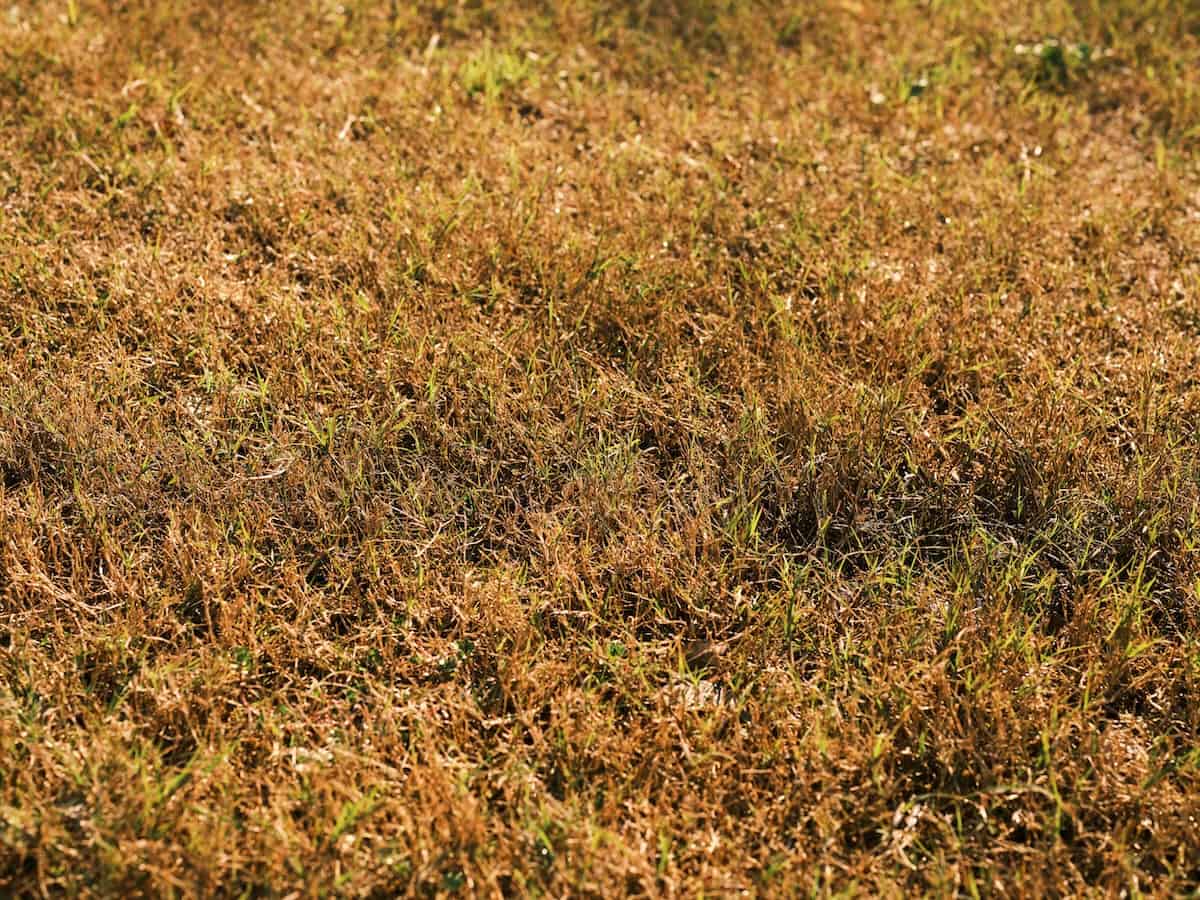
If your lawn is brown, brittle, extremely dry, or dormant, think carefully before putting it through major surgery.
Don’t aggressively aerate or dethatch severely stressed turf.
These practices temporarily stress the lawn. Grass recovers best when it is actively growing.
Don’t fertilize a dormant lawn just to make it green.
Wait for cooler temperatures and adequate moisture so grass can actively use the nutrients.
Don’t overseed unless you can keep the seedbed moist.
Grass seed cannot germinate successfully if the surface repeatedly dries out.
Don’t scalp a heat-stressed lawn.
Continue following the basic mowing rule of removing no more than about one-third of the grass blade at a time.
Don’t assume brown means dead.
Cool-season grasses can enter summer dormancy during hot, dry weather and green up again once cooler, wetter conditions return.
Sometimes the best September lawn-care tool is patience.
The September Lawn-Care Order of Operations
If your cool-season lawn needs a full fall refresh, use this general order:
1. Wait for favorable weather.
Cooler temperatures and workable, moderately moist soil are ideal.
2. Mow.
Bring excessively tall turf down gradually rather than scalping it.
3. Core aerate if the soil is compacted.
4. Dethatch only when excessive thatch is actually present.
5. Overseed thin and bare areas.
6. Keep newly seeded soil consistently moist.
7. Fertilize according to your grass, soil test, and local recommendations.
8. Address perennial broadleaf weeds at the appropriate time, keeping herbicides away from vulnerable new seedlings unless the label specifically allows their use.
Then give the lawn time to respond.
Don’t Waste Your Lawn’s Second Spring
Spring gets most of the attention.
That is when fertilizer displays appear at garden centers, lawn mowers come out of garages, and homeowners suddenly notice every brown spot in the yard.
But for a cool-season lawn, September may be even more important.
The soil is still warm. The nights are getting cooler. Grass roots are becoming active again. Summer weeds are losing their advantage. And there is still time for new turf to establish itself before winter.
What you do during these few weeks can influence how thick your lawn looks next spring—and how well it handles next summer.
So if your yard looks a little ragged after August, don’t give up on it yet.
Its second spring may just be getting started.
For more September jobs around the garden and yard, visit the Farmers’ Almanac Planting Calendar and our guide to what to plant in a fall garden.
September Lawn Care FAQ
Is September a good month to plant grass seed?
For many cool-season lawns, yes. Late summer and early fall are often among the best seeding periods because soil remains warm while air temperatures become more favorable. The ideal date depends on location and expected frost timing.
Should I aerate my lawn in September?
September is an excellent aeration month for many cool-season lawns, particularly where soil is compacted. Warm-season lawns should generally be aerated during their active growing season instead.
Should I fertilize my lawn in September?
Many cool-season lawns benefit from properly timed fall fertilization, but soil conditions, grass species, location, weather, and local fertilizer regulations matter. Avoid fertilizing severely drought-stressed or heat-stressed turf.
Is September too late to overseed?
Not necessarily, but the farther north you live, the more quickly the ideal seeding window closes. New grass needs adequate time to germinate and establish before persistent freezing weather.
Why does my lawn suddenly get greener in September?
Cool-season grasses prefer moderate temperatures. When summer heat eases and soil moisture improves, leaf and root growth can accelerate, creating a noticeable fall green-up—the lawn’s “second spring.”


- Farmers' Almanac Staff

- Farmers' Almanac Staff
- Farmers' Almanac Staff
- Farmers' Almanac Staff