The Cherokee Strip Land Run: How the Wild 1893 Race for Land Actually Worked
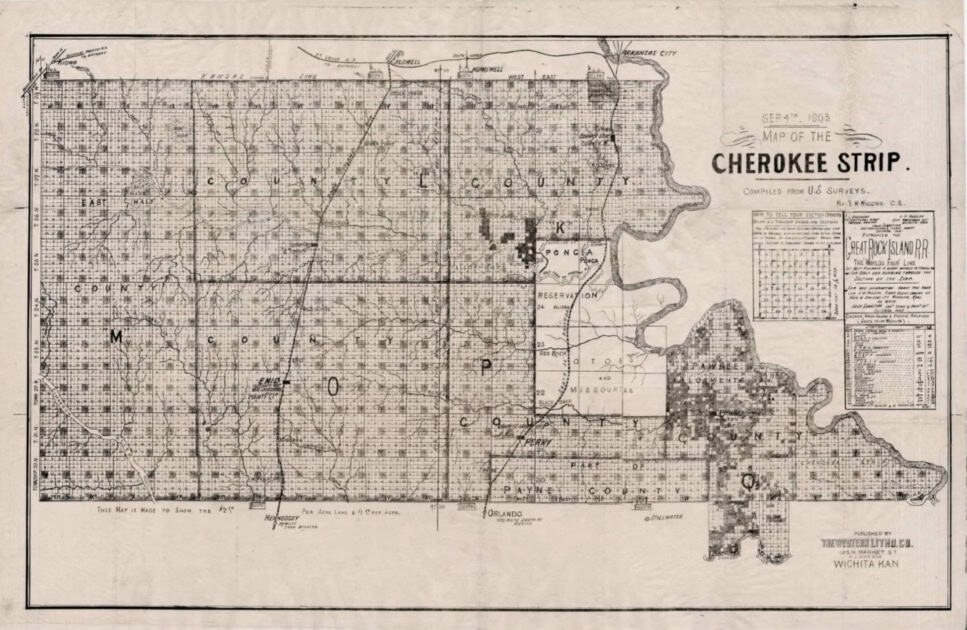
On September 16, 1893, more than 100,000 people gathered along the border of a huge stretch of prairie in what is now northern Oklahoma.
They came on horseback. They came in wagons. Some arrived on bicycles. Others planned to run on foot.
Then, at exactly noon, the signal was given.
The crowd surged forward in one of the largest land rushes in American history, racing to claim farms, town lots, and a chance at a new life.
The event became known as the Cherokee Strip Land Run of 1893.
But contrary to the popular image, it wasn’t simply a matter of racing into the wilderness, sticking a flag in the ground, and declaring, “This is mine.”
There were rules—lots of them.
And breaking those rules could cost you your land.
What Was the Cherokee Strip Land Run?
The land opened for settlement was commonly called the Cherokee Strip, although historians generally refer to the area involved in the 1893 opening as the Cherokee Outlet.
The enormous tract stretched across what is now northern Oklahoma and contained millions of acres.
The Cherokee Nation had long held rights to the Outlet. During the 19th century, however, increasing pressure from the federal government and growing demand from settlers eventually resulted in an agreement transferring the land to the United States.
President Grover Cleveland then proclaimed that much of the territory would be opened to settlement at 12 noon on September 16, 1893.
The announcement set off a frenzy.
Thousands of people traveled toward Oklahoma hoping to obtain a farm of their own.
But before anyone could legally participate, they had to register.
Rule #1: You Had to Register Before the Race
You could not simply show up on September 16 and start running.
Beginning several days before the opening, the federal government established registration booths near the borders of the territory.
Prospective settlers were required to appear in person and demonstrate that they were eligible to make a homestead claim.
Once approved, they received a registration certificate.
The demand was enormous.
Lines stretched around registration sites as tens of thousands of people waited—sometimes under brutally hot late-summer conditions—to obtain the paperwork that allowed them to participate.
Roughly 115,000 registration certificates were reportedly issued.
Without one, you could not legally claim a homestead.
Rule #2: You Couldn’t Enter the Territory Early
This was perhaps the most important rule of all.
Before noon on September 16, settlers were supposed to remain outside the lands being opened for settlement.
Federal soldiers and officials attempted to patrol the boundaries and prevent people from sneaking in.
Those who slipped into the territory early became known as “Sooners.”
Some hid in ravines, brush, railroad areas, or other concealed locations and waited for the official opening.
When the race began, they could simply emerge and claim valuable land while everyone else was still charging across the prairie.
If officials could prove that someone had entered illegally before noon, that person could lose the claim.
The problem was proving it.
Disputes between legitimate settlers and suspected Sooners would continue for years.
Rule #3: The Race Began at Noon—Not a Minute Earlier
The starting time was precise:
12:00 noon, September 16, 1893.
Thousands of people crowded along the boundary waiting for the signal.
When it came, the scene erupted.
Horses galloped across the prairie.
Wagons bounced over rough ground.
People on foot sprinted after nearby claims.
Even bicycles were used.
Railroads presented another opportunity. Special trains carried would-be settlers into the territory, and some passengers reportedly jumped from moving or slowing trains when they reached desirable areas.
The objective was simple:
Reach an unclaimed piece of land before somebody else did.
How Much Land Could You Claim?
Most homesteaders were looking for a quarter-section, which amounted to approximately 160 acres.
The territory had already been surveyed, so settlers weren’t simply drawing random boundaries wherever they stopped.
Survey markers divided the land into recognizable sections and parcels.
Experienced participants often studied maps beforehand and knew approximately where they wanted to go.
Some targeted farmland near water.
Others wanted parcels close to proposed towns, railroads, or transportation routes.
The best locations could attract several people at once.
And that’s when things became complicated.
What Happened If Two People Claimed the Same Land?
It happened frequently.
Imagine galloping several miles across open prairie, reaching the piece of land you wanted—and discovering someone else standing there saying they arrived first.
Who owned it?
Not necessarily the person with the biggest horse.
Conflicting claims could be brought before federal land officials, where testimony and evidence were considered.
Witnesses might be asked:
Who arrived first?
Had either person entered the territory before noon?
When did each claimant begin occupying the land?
Was one of them a “Sooner”?
Some disputes became lengthy legal battles.
The Land Run may have lasted only a few hours, but arguments over who rightfully owned particular parcels continued much longer.
Claiming the Land Didn’t Mean You Immediately Owned It
Winning the race was only the beginning.
Under federal homestead laws, settlers generally had to establish residence on the property and make improvements.
That often meant building a house, digging a well, fencing land, and cultivating crops.
Homesteaders typically had to remain on and improve the property for several years before receiving full legal title.
So the prize wasn’t simply “free land.”
It was an opportunity to earn ownership of a homestead.
Settlers in the Cherokee Outlet also faced payments and fees associated with their land, with prices varying depending upon location.
Towns Appeared Almost Overnight
Not everyone was racing for farmland.
Thousands headed toward sites designated for new towns.
Places such as Perry, Enid, and Ponca City exploded into existence as settlers rushed to claim town lots.
The transformation could be astonishing.
In the morning there might be little more than prairie.
By nightfall, tents, makeshift businesses, streets, and thousands of people had appeared.
Entrepreneurs quickly established stores, restaurants, saloons, newspapers, and other businesses serving the sudden population.
It was frontier urban development at extraordinary speed.
What Were “Sooners”?
The word Sooner became permanently associated with Oklahoma because of the land runs.
A Sooner was someone who entered land sooner than legally permitted.
By sneaking across the boundary before the official opening, a Sooner could position himself near a particularly valuable claim.
When legal settlers arrived after noon, they might discover that someone was already there.
The practice was illegal, but enforcement was difficult.
The term eventually lost much of its negative meaning and became closely associated with Oklahoma itself—including the nickname “The Sooner State.”
How Big Was the Cherokee Strip Land Run?
The 1893 opening was enormous.
More than 100,000 people participated or registered to participate, competing for roughly 40,000 homesteads, along with thousands of town lots.
That meant many participants would come away empty-handed.
Some racers crossed miles of prairie only to discover every desirable claim had already been taken.
Others arrived at a property and immediately became involved in a dispute.
And many who successfully obtained land would soon discover another problem:
Farming the Great Plains wasn’t easy.
Drought, extreme heat, severe winters, grass fires, and unpredictable rainfall could turn the dream of a homestead into a difficult struggle.
The Weather Was Part of the Story
For participants, September 16 wasn’t simply a date on the calendar.
Weather mattered enormously.
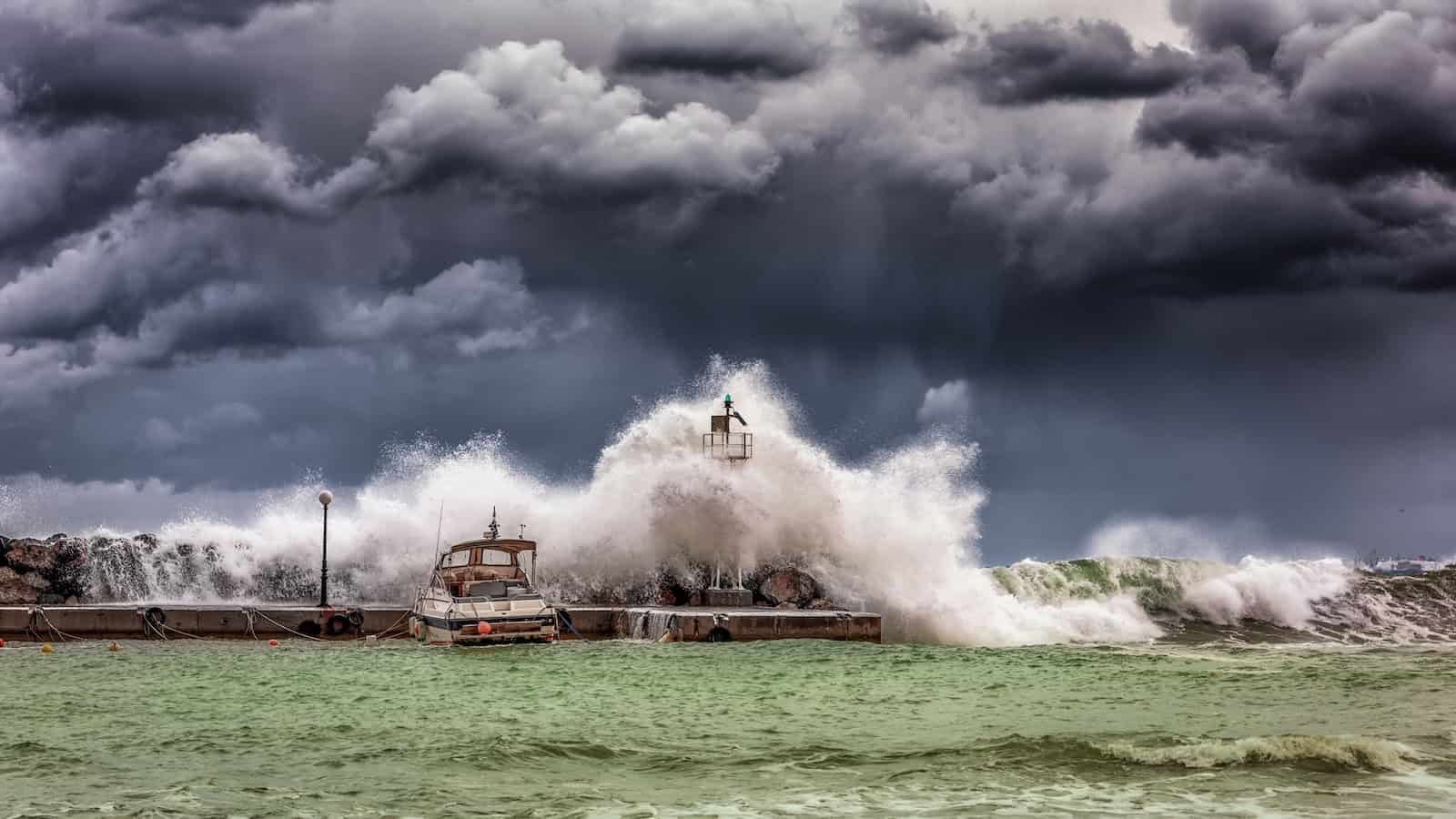
The landscape was exposed prairie, and settlers sometimes waited for hours—or days—near registration and starting areas with little protection from the elements.
Dust, heat, wind, and limited water could make the experience exhausting even before the race started.
Once settlers reached their claims, weather became even more important.
Their ability to grow crops, find water, build shelter, and survive harsh Plains winters could determine whether the homestead ultimately succeeded.
For generations of Americans settling the West, understanding the seasons wasn’t just useful.
It could be a matter of survival.
Was the Land Really “Free”?
Not exactly.
The romanticized version of America’s land rushes often describes settlers racing for “free land.”
The reality was more complicated.
Settlers faced filing fees, land-office requirements, residency rules, improvement requirements, and—in the Cherokee Outlet—payments based on the location of the land.
More importantly, the territory itself had a history long before settlers raced across it in 1893.
The Cherokee Nation had held rights to the Outlet, and the transfer and opening of Native-held lands to white settlement reflected a much broader history of federal Indian policy, forced removal, land pressure, and western expansion.
That context is essential to understanding what the Land Run represented.
For settlers, September 16 was remembered as a dramatic opportunity.
For Native nations, the same era was part of a much longer loss of land and sovereignty.
Imagine Standing at the Starting Line
Picture the scene.
It’s just before noon.
Thousands of horses, wagons, bicycles, and people stretch along the edge of the prairie.
Some settlers have studied maps for weeks.
Others have traveled hundreds of miles.
Families are carrying everything they expect to need to start a new life.
Everyone is staring ahead at the same open landscape.
11:59 a.m.
Horses shuffle.
Wagon drivers grip their reins.
People listen for the signal.
Then noon arrives.
And suddenly more than 100,000 people are racing across the Oklahoma prairie.
The Cherokee Strip Land Run of September 16, 1893, lasted only a short time.
But in those few hours, farms were claimed, towns were born, fortunes changed—and one of the most remarkable scenes in the history of the American West unfolded.
Did You Know?
The familiar Oklahoma nickname “Sooner” comes from people who entered lands before they were legally opened for settlement—arriving “sooner” than they were supposed to.

- Tim Konrad

- Tim Konrad
- Tim Konrad
- Tim Konrad