What to Plant in October: A Region-by-Region Garden Guide

October’s garden depends on where you live. In Minnesota, it may be time to cover the last tomatoes against frost, while in Arizona, cooler days bring the chance to sow lettuce and peas.
What to plant in October really depends on your local weather and how much growing time you have left. In colder regions, garlic and spring-flowering bulbs are often the main planting jobs. Farther south and in mild coastal climates, there may still be time to sow vegetables for fall and winter harvests.
Before planting, check your area’s average first frost date and use the Almanac’s planting calendar for dates based on your ZIP code. Frost dates are estimates, and a nearby hill, sheltered yard, or urban setting can shift conditions in your garden.
What to plant in October by region
Please note that these regions are broad guides, not hard boundaries. A warm fall can extend the season while an early cold snap can shorten it. For vegetables, compare the crop’s days to maturity with the time remaining before your usual first frost. Add extra time for shorter days and slower fall growth.
Northeast and Upper Midwest
In colder parts of the Northeast and Upper Midwest, October is often too late to start most vegetables from seed outdoors. Concentrate on finishing the harvest, protecting crops that are still growing, and getting garlic and spring bulbs into the ground while the soil is workable.
Gardeners in milder coastal areas may still have time for quick-growing greens or radishes, especially under a row cover. Check the seed packet and your local planting calendar before sowing.
Garlic timing varies even within this region. Minnesota Extension recommends planting one or two weeks after the first killing frost, while other areas plant earlier or later according to local conditions. UMN Extension
Mid-Atlantic and Ohio Valley
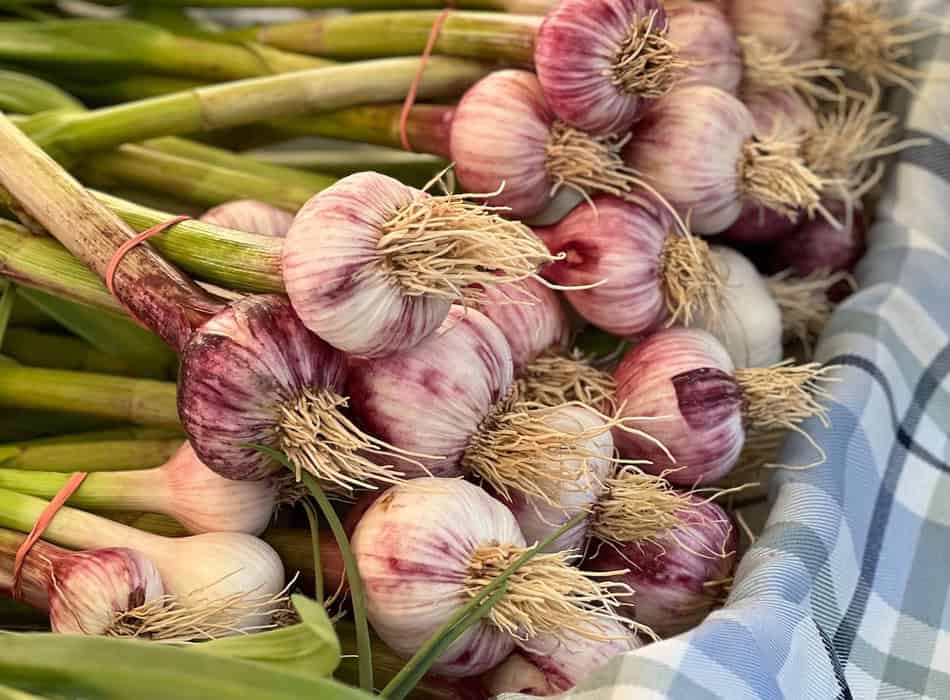
Early October can still offer a window for quick crops in warmer parts of this region, particularly if fall vegetables are already established. Depending on your frost date, you may be able to sow spinach, radishes, or other fast-growing greens. A light row cover can help extend the harvest.
Garlic and spring-flowering bulbs are good October projects here. In central Pennsylvania, garlic is typically planted around mid-October, with the date adjusted for local conditions. University of Maryland Extension For guidance on fall crops and season extenders, see Penn State Extension’s fall vegetable gardening advice.
Southeast
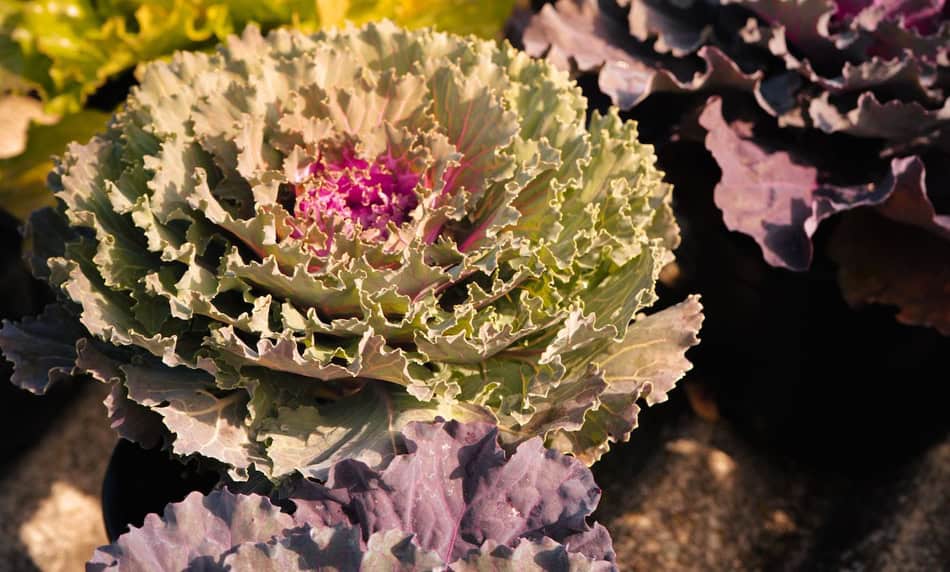
Across much of the Southeast, the cooler weather makes October a productive month for fall vegetables. Depending on your location and first frost date, crops may include collards, kale, mustard greens, turnips, radishes, carrots, and lettuce. In Georgia, Extension guidance includes several of these as fall crops, with timing varying across the state. UGA Cooperative Extension
Planting windows can differ considerably between the mountains, Piedmont, and coast. Check the University of Georgia’s fall vegetable guide or your state’s Extension planting calendar for crop-by-crop dates.
October is also a good time to plant spring bulbs in many parts of the Southeast. Some bulbs need a period of chilling to flower well in warmer climates, so check the needs of the variety you choose.
Gulf Coast and Florida
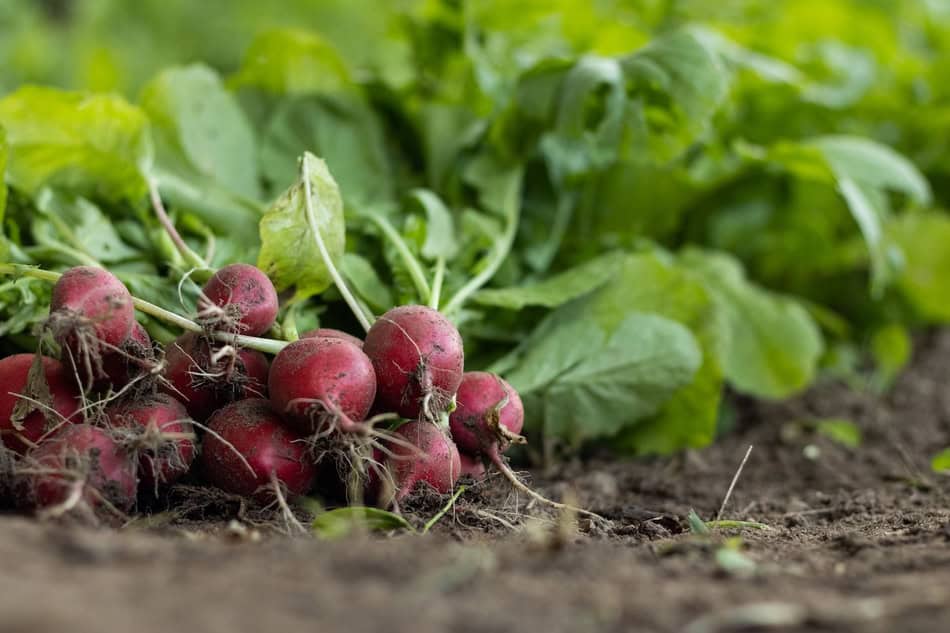
In the Gulf Coast states and much of Florida, October can bring a welcome stretch of cooler weather for vegetables. Depending on local conditions, gardeners may sow or transplant crops such as lettuce, spinach, collards, kale, carrots, beets, and radishes.
In southern Florida, planting calendars can be very different from those in northern Florida. Use a guide for your county or local growing area. The University of Florida’s vegetable gardening resources can help narrow down what suits your part of the state.
Southwest and desert regions
In the low desert, October marks the start of the cool-season garden. Arizona Extension recommends October planting for cool-season vegetables in the Sonoran Desert, including greens such as spinach, lettuce, kale, collards, and mustard greens. extension.arizona.edu
Conditions change quickly with elevation. In high-desert and mountain areas, cold nights may already limit vegetable planting. Garlic may still be a good choice: Utah State University Extension recommends planting garlic from mid-October through early November in Utah. USU
Pacific Coast
Mild parts of the Pacific Coast may still suit cool-season crops such as arugula, mustard greens, and fava beans. Oregon State University’s fall vegetable guide lists these among crops that can be sown in October, with timing depending on the crop and location. OSU Extension Service
In colder inland areas, shift attention to garlic, spring bulbs, and protecting crops already in the ground. Check the Oregon State Extension fall gardening guide for more detail.
Mountain and High Plains states
Short growing seasons and quick temperature swings make local timing especially important in the Mountain and High Plains states. October is generally a month to wrap up the vegetable garden, plant garlic where the local calendar allows, and prepare beds for winter.
Utah gardeners can use Utah State University Extension’s planting guidance to check dates for their area. Gardeners in higher or colder locations should rely on their local frost history and current forecast before planting.
October jobs for gardens everywhere
Plant spring-flowering bulbs
Daffodils, crocuses, tulips, and other spring bulbs need time to establish roots before the ground freezes. The right planting date depends on how quickly your soil cools. The Almanac’s guide to planting fall bulbs gives regional timing and planting instructions.
Plant garlic at the right time
Garlic is planted in fall for harvest the following summer, but the planting window differs by climate. Separate the bulb into cloves just before planting, and use healthy cloves intended for planting. The Almanac has more on when and how to plant garlic.
Prepare for frost
Keep an eye on the forecast and know which plants can tolerate a light frost. Row covers can protect many crops on chilly nights; bring tender potted plants indoors before cold weather damages them. Harvest warm-season crops such as tomatoes and peppers before a hard frost.
Don’t plant by the calendar alone
October can mean very different conditions across the country. Check your local frost date, read the seed packet, and allow enough time for a crop to mature. For a location-specific starting point, use the Almanac’s fall planting calendar.
Which October planting jobs make sense for your garden depends on where you live, but garlic, spring bulbs, and frost protection are useful places to start.

- Maggie Konrad

- Maggie Konrad
- Maggie Konrad
- Maggie Konrad