Is Your Dog Eating Acorns? Here’s Why You Should Stop Them

For a dog who likes to pick things up on walks, October is basically an all-you-can-eat buffet. Sticks, seed pods, fallen fruit, mysterious things in the grass—and, under an oak tree, hundreds of acorns.
Most dogs will sniff them and move on. Others crunch them, carry them around, or swallow them before you can say “drop it.” That’s worth discouraging. Acorns aren’t a safe snack for dogs, and the problem isn’t just that they might upset the stomach.
Acorns contain tannins, the bitter compounds found throughout oak trees. In dogs, eating enough can irritate the digestive tract and, in more serious cases, damage the kidneys or liver. The Merck Veterinary Manual also notes another, much more straightforward hazard: an acorn can simply get stuck in a dog’s digestive tract and cause an intestinal blockage.
That combination makes acorns one of those fall hazards that’s easy to overlook. They’re natural, squirrels are eating them, and they’re lying everywhere. None of that makes them a good chew toy for the dog.
The Acorn Itself Can Be Part of the Problem
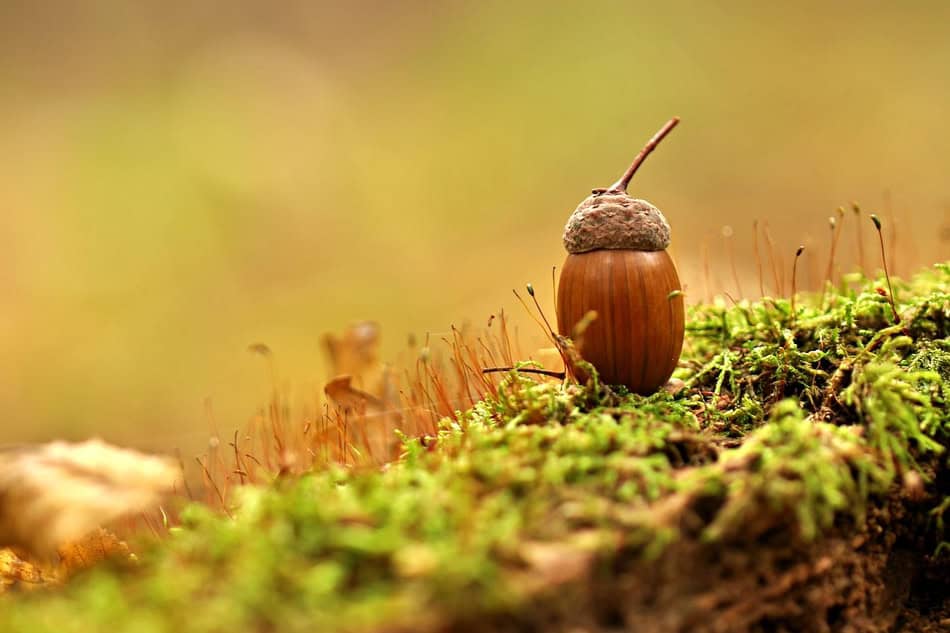
An acorn is hard, round, and just about the right size for some dogs to swallow whole.
For a large dog, one may pass through without causing a blockage. For a small dog, the same acorn represents a much bigger object moving through a much smaller digestive tract. Pieces of shell can also be hard and irregular. The American Kennel Club warns that acorns and other hard tree nuts can create choking hazards or intestinal obstructions in addition to causing gastrointestinal illness.
Then there are the tannins. These are the compounds that make a raw acorn taste intensely bitter. Oak toxicosis is better known as a problem in grazing animals that consume large quantities of oak leaves or acorns, but dogs can be affected too. How serious the reaction becomes depends in part on how much the dog ate, the dog’s size, and whether this is a one-time incident or repeated acorn eating according to Merck Veterinary Manual.
What Should You Watch For?
If your dog has eaten acorns, stomach trouble may be the first clue. Vomiting, diarrhea, loss of appetite, lethargy, or obvious abdominal discomfort can occur after ingestion. American Kennel Club says that more serious exposures can affect the kidneys or liver.
A blockage can look similar at first. Repeated vomiting, abdominal pain, refusing food, or a dog that suddenly seems very uncomfortable after swallowing an acorn all deserve veterinary attention.
If you know or strongly suspect your dog swallowed one or more acorns, call your veterinarian for advice rather than waiting to see how sick the dog becomes. The amount eaten and the size of the dog matter, so your vet can help decide whether home monitoring is reasonable or whether an exam is needed. The AKC advises owners not to induce vomiting on their own, because the appropriate response depends on what was swallowed and the individual dog.
That’s good general advice for suspected poisoning, too. Cornell University College of Veterinary Medicine recommends contacting a veterinarian or animal poison-control service before trying to make a dog vomit at home.
What About Green Acorns?
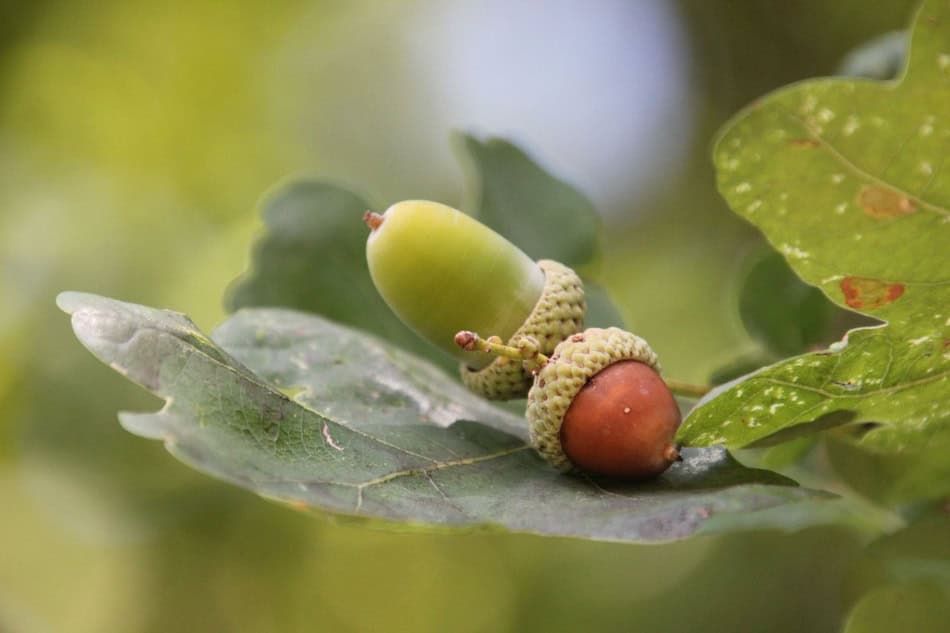
Don’t assume an acorn is safer because it hasn’t ripened yet.
The AKC specifically cautions about dogs eating green acorns, and oak leaves can cause problems as well. If your yard is suddenly covered with green acorns this fall, Farmers’ Almanac has more on why oak trees sometimes drop green acorns early. For dog owners, the important part is simply to keep those acorns out of the menu, regardless of whether they’re green or brown.
You also don’t need to panic because squirrels and deer are happily eating the same crop. Different animals handle plant compounds differently. An acorn can be an important food source for wildlife and still be something you don’t want your dog swallowing.
You Probably Don’t Need to Rake the Entire Yard
If you have a mature oak, trying to pick up every acorn can feel like trying to empty the beach one grain of sand at a time.
Focus on the places your dog actually uses. Rake or collect acorns around the dog run, patio, fenced play area, or favorite potty spot. On walks beneath heavy-producing oaks, keeping a scavenging dog on a shorter leash makes it easier to intervene before an acorn disappears.
This is also a perfect time to practice “leave it” and “drop it.” The AKC recommends those commands during acorn season because prevention is considerably easier than figuring out how many acorns disappeared before you noticed.
For dogs who will attempt to eat almost anything they find, the problem doesn’t end with acorns. October brings fallen nuts, mushrooms, rotting fruit, and soon enough Halloween candy. Farmers’ Almanac’s Halloween pet-safety guide covers some of the other seasonal temptations worth keeping out of reach.
Let the Squirrels Have This One
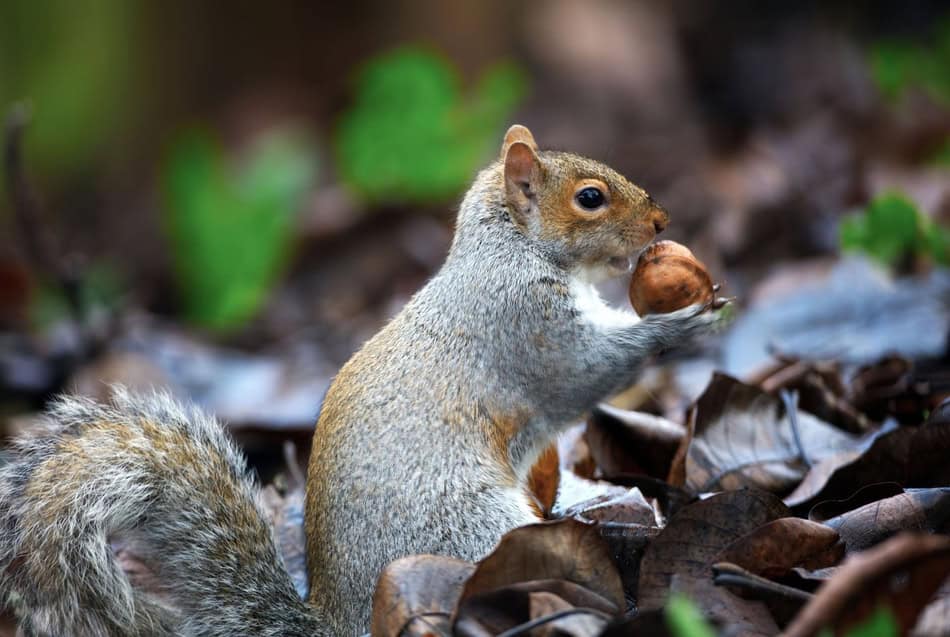
There’s no reason to keep your dog away from every oak tree this fall. Acorns are mostly a problem when dogs actually eat them.
So let the dog sniff around, crunch through the leaves, and investigate the yard. Just pay attention if that investigation turns into snacking. If your dog is an enthusiastic scavenger, clear the worst acorn-covered spots and keep a closer eye on them under oaks.
The squirrels have been waiting all year for this crop. Your dog has plenty of better options.

- Maggie Konrad

- Maggie Konrad
- Maggie Konrad
- Maggie Konrad