Before Your Backyard Pond Freezes, Do These Things Now

Before Your Backyard Pond Freezes, Do These Things Now
The first hard freeze can expose every fall pond chore you meant to get around to.
Leaves that looked harmless on the surface are now waterlogged on the bottom. Tender plants have been hit by frost. A pump or hose still has water sitting inside it. And if fish are staying outdoors, the pond needs to be ready for weeks when ice may limit the exchange of oxygen at the surface.
Fortunately, winterizing a backyard pond usually isn’t complicated. The important part is doing the right jobs before freezing weather makes them harder.
Get the Leaves Out Before They Sink
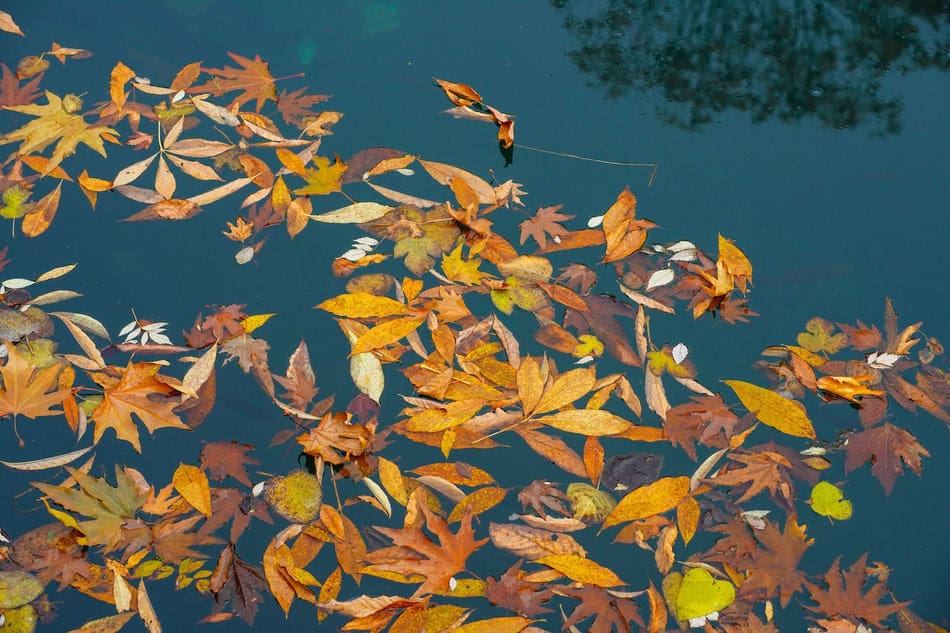
Start with the leaves. This is one fall chore that becomes much less pleasant if you put it off.
A few leaves floating across the surface aren’t a crisis. The trouble begins when large amounts settle to the bottom with dead stems, algae, and other plant material. As that organic matter decomposes, bacteria use oxygen. In a pond that later spends weeks under ice and snow, that can contribute to dangerously low oxygen levels for fish. Penn State Extension explains that ponds with a heavy accumulation of leaves and dead plants are more vulnerable to winterkill because decomposition continues even under ice.
Skim leaves while they’re still floating, and remove yellowing or collapsing aquatic foliage before it drops into the water. If your pond sits beneath deciduous trees, stretching a leaf net over it for the heaviest part of leaf fall can save a lot of scooping. Just don’t leave the net in place once snow and ice begin accumulating, when the extra weight can pull it into the pond.
Virginia Cooperative Extension also recommends removing dead and decaying plant material as part of fall water-garden maintenance.
You don’t need to scrub the pond spotless. The goal is simply to keep a thick layer of organic debris from spending the winter decomposing on the bottom.
Sort Out the Plants Before the First Hard Freeze
Next, figure out which plants can stay and which ones cannot.
Hardy water lilies and some other hardy aquatic plants can overwinter outdoors in suitable ponds. Once their foliage dies back, remove the dead growth and follow the plant’s specific instructions for winter depth. In colder climates, that often means lowering containers into deeper water where the roots and crowns are less exposed to freezing.
Tropical water lilies, water hyacinths, and other tender plants are a different matter. Some can be overwintered indoors if you want to keep them; others are commonly treated as annuals and replaced the following year. Iowa State University Extension notes that hardy and tropical water-garden plants require different winter treatment, so it helps to know exactly what is growing in your pond before simply sinking every pot to the bottom.
Pond depth matters too. A plant that can overwinter safely beneath the ice in a deeper pond may not survive in a shallow container pond that freezes nearly to the bottom.
Check the Pump, Filter, and Plumbing Before Water Freezes Inside Them

This is where generic advice like “turn the pump off for winter” can get pond owners into trouble. Some systems should be shut down. Others are designed to keep running. Your equipment and your winters determine which is right.
For systems that are not designed to operate through freezing weather, Penn State Extension recommends shutting down the filtration system and removing the main pump as water temperatures fall, following the manufacturer’s directions for cleaning and winter storage.
Pay particular attention to anything above ground. A pump may be fine, but a hose, filter housing, waterfall line, UV clarifier, or exposed fitting can crack if water is trapped inside and freezes. Drain any plumbing that your system’s winter instructions say should be emptied.
That same freeze-expansion problem is why Farmers’ Almanac recommends draining vulnerable outdoor water systems as part of the fall garden checklist before a hard freeze.
If your pond equipment is designed to operate in winter, don’t automatically dismantle it because your neighbor does. Check the manual for your specific pump, filter, aerator, and plumbing setup first.
If Fish Are Staying Outside, Make a Plan for Ice Now
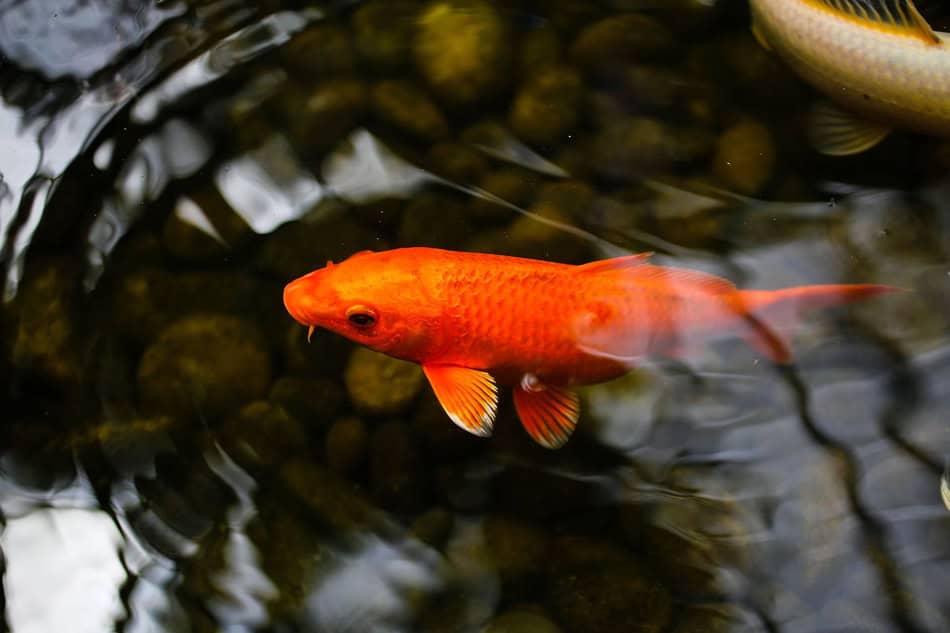
A decorative pond can simply go quiet for winter. A pond with fish needs more thought.
Hardy pond fish such as goldfish can spend the winter outdoors in an appropriate pond, but they need water that doesn’t freeze solid and enough oxygen to make it through long periods of cold weather.
The concern isn’t simply that ice forms on top. A prolonged cover of ice and snow can reduce gas exchange with the atmosphere and block sunlight from reaching the water. Meanwhile, fish continue using oxygen and organic material continues decomposing. Penn State Extension explains that this combination can eventually deplete oxygen enough to cause winter fish kills.
If your pond regularly freezes, decide how you’ll handle that before the ice arrives. Depending on the pond and climate, that may mean a pond aerator, floating de-icer, or another system specifically designed for winter pond use.
You generally do not need to keep the entire pond ice-free. The goal is to maintain suitable winter conditions for the fish and, where appropriate, an opening that allows gas exchange.
One thing you don’t want to do is discover a completely frozen surface in January and start pounding it with a shovel. University of Delaware Extension advises against breaking pond ice because the shock can harm fish. A pond-safe de-icer or properly installed aeration system is a much better plan than trying to break through thick ice after the fact.
Don’t Keep Feeding Fish Just Because They Still Come to the Surface
Fish may still act interested in food during cool fall weather, but their metabolism slows as the water gets colder.
What matters is water temperature, not whether you happen to get a warm afternoon. Follow the feeding recommendations for the species you keep and the food you use, because cold-water feeding guidelines vary. Once fish are no longer digesting food efficiently, continuing to feed them can create unnecessary waste in the pond at exactly the time you’re trying to reduce decaying material.
This is another reason a pond thermometer is useful in fall. Air temperature can swing dramatically from afternoon to night, while the water changes more slowly.
Give the Pond One Last Look Before Winter Arrives
Once the leaves are mostly down, take five minutes and look over the whole pond before calling the job finished.
Check the bottom for piles of leaves. Make sure tender plants have been dealt with. Confirm that exposed plumbing is drained if it needs to be, and that pumps or filters are either winterized or set up to run according to their instructions. If fish are staying outdoors, have the aerator, de-icer, or other winter equipment ready before the first serious freeze.
You don’t need to strip the pond bare or turn winter preparation into a weekend-long project. Most of the work is simply preventing small fall problems from sitting underwater, or frozen inside a pipe, for the next four months.
Do those jobs while the water is still open, and the pond has a much better chance of emerging in spring ready for another season.

- Maggie Konrad

- Maggie Konrad
- Maggie Konrad
- Maggie Konrad