10 Old-Time October Weather Sayings—and the Stories Behind Them
Discover 10 old-time October weather sayings, where they came from, and the surprising weather, animal, and seasonal observations behind them.

People who relied on the weather to survive have watched October closely for thousands of years.
They noticed when the first frost arrived. They watched rabbits grow plump, deer change coats, leaves cling to branches, and tiny insects linger late into autumn. They remembered whether October had been wet, warm, windy, or unusually calm—and compared those signs with the winter that followed.
Over generations, those observations became weather sayings.
Some are centuries old. Others traveled from Europe to North America with farmers and settlers before finding their way into rural diaries, folklore collections, and almanacs.
And while the language may sound quaint today, many of these sayings are rooted in something very real: changes in atmospheric patterns, animal behavior, plant biology, frost formation, and seasonal cycles.
Here are 10 fascinating old-time weather sayings for October—and the stories behind them.
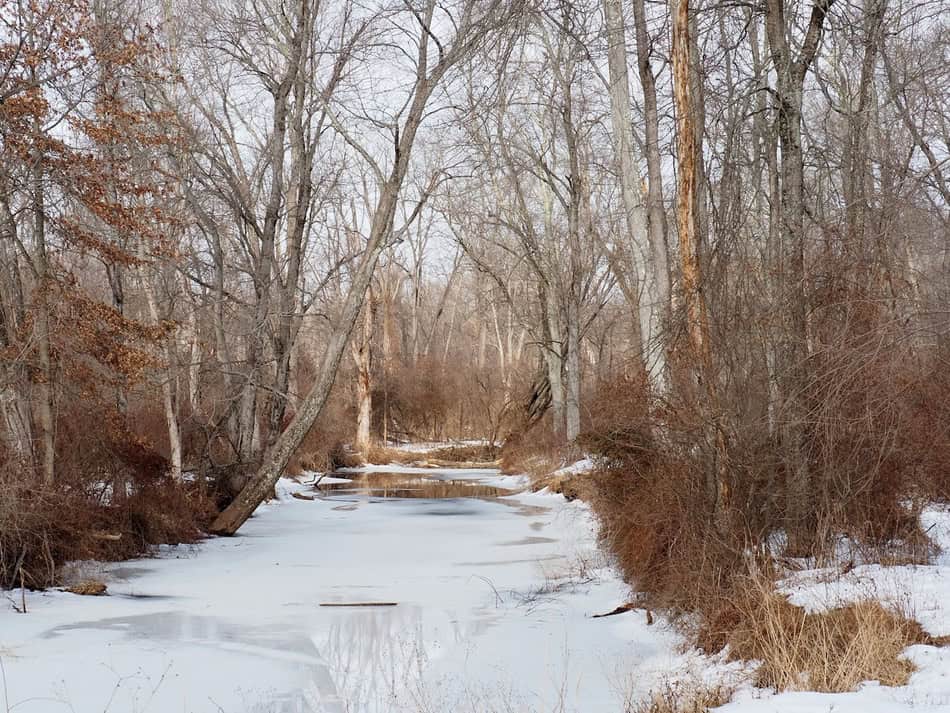
1. “Warm October, cold February.”
This remarkably compact saying is one of the best-known pieces of October weather lore.
Where did it come from?
Versions of the saying have circulated through European agricultural folklore for generations. Similar proverbs are found in several European traditions, including a Polish saying essentially translating to: When October holds the warmth, winter is usually frosty.
Farmers’ Almanac has preserved the shorter American version in its own collection of October weather lore.
Why might the old-timers have noticed it?
Large-scale atmospheric circulation patterns can persist or reappear over periods of weeks or months. Meteorologists refer to some of these recurring relationships as teleconnections.
NOAA explains that large pressure and circulation patterns—such as the North Atlantic Oscillation—can influence temperature patterns across enormous regions and over extended periods.
That doesn’t mean a warm October mechanically causes a cold February. But the old saying may reflect generations noticing that unusual autumn circulation patterns were sometimes followed by dramatic winter reversals.
Related: See the Farmers’ Almanac Long-Range Weather Forecast.
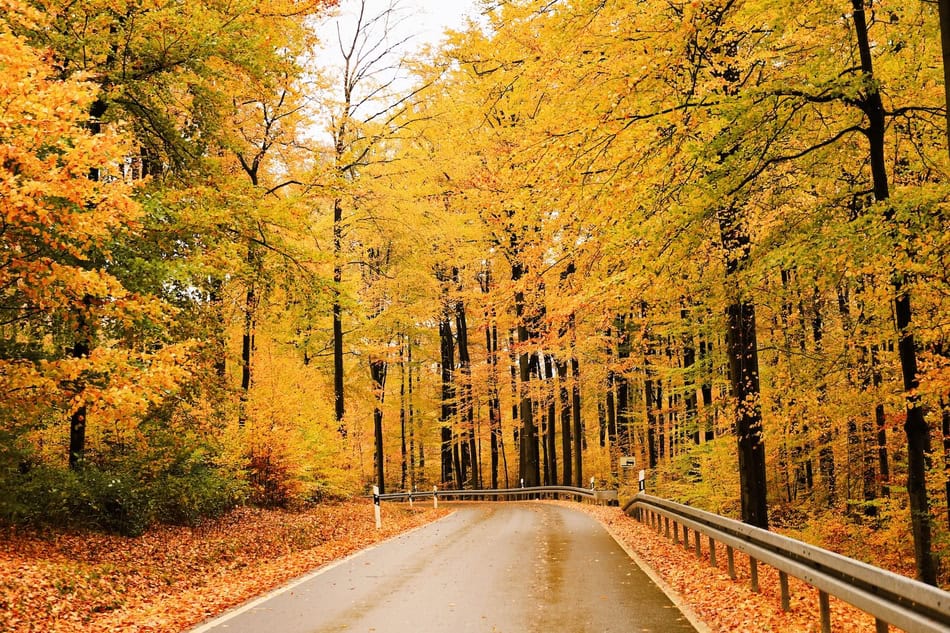
2. “Much rain in October, much wind in December.”
A rainy October traditionally warned of a blustery December.
Where did it come from?
This saying appears in traditional English and American weather-lore collections and became common enough to survive in almanacs and rural calendars on both sides of the Atlantic.
Farmers’ Almanac includes it among its classic October weather sayings.
Is there some weather logic behind it?
There can be.
A particularly wet month often reflects a persistent storm track or recurring large-scale atmospheric pattern. Those patterns can evolve rather than simply vanish as the season progresses.
NOAA notes that the atmosphere contains large-scale circulation patterns capable of linking weather across both distance and time.
For an old farmer watching one season roll into another, an unusually stormy October may genuinely have served as a clue that the atmosphere had settled into an active pattern.
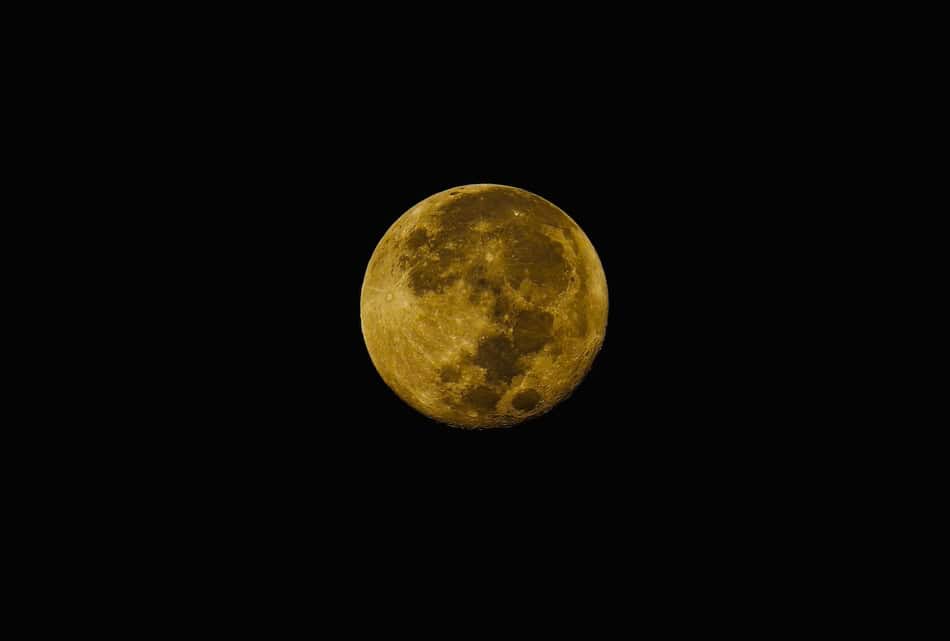
3. “Full Moon in October without frost, no frost till the Full Moon in November.”
For gardeners, this may be one of the most intriguing October sayings of all.
Where did it come from?
The saying was recorded in M.E.S. Wright’s early-20th-century collection A Medley of Weather Lore, alongside other traditional British seasonal sayings.
It eventually crossed into North American weather folklore as well.
Why would the October Full Moon matter?
The important observation may not actually be the Moon itself. It is the weather conditions surrounding the Moon.
Frost develops especially readily on calm, clear autumn nights, when heat escapes from the ground through radiational cooling. The National Weather Service regularly points to clear skies and light winds as ideal frost-producing conditions.
If the October Full Moon arrives during a stretch of relatively mild, cloudy, humid, or breezy nights, the same weather pattern may continue for some time afterward.
So the Moon gave earlier generations an easily remembered calendar marker for watching the progression of autumn frost.
Related: Learn more about the October Full Moon and October traditions.
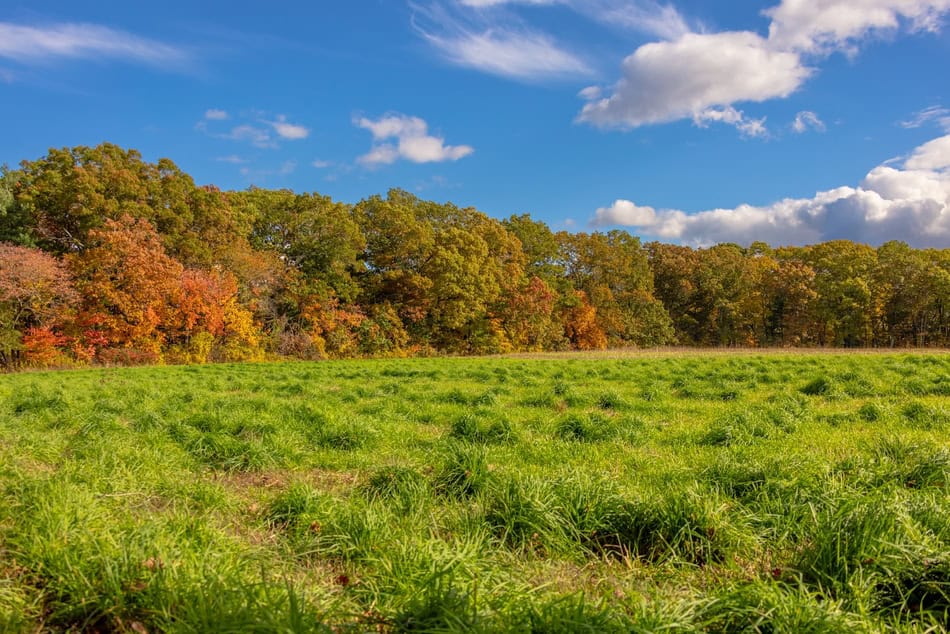
4. “There are always nineteen fine days in October.”
What a wonderfully optimistic forecast.
Where did it come from?
This saying was recorded as a Kentish saying, originating in Kent in southeastern England, in A Medley of Weather Lore.
The fact that it specifies exactly 19 days suggests that generations of local farmers had become accustomed to periods of settled autumn weather.
Why October can produce beautiful stretches of weather
Autumn frequently brings periods of strong high pressure. Under those conditions, sinking air can suppress clouds and precipitation, producing stretches of cool mornings, sunny afternoons, and relatively calm weather.
These are the classic crisp October days that farmers once needed for harvesting, storing crops, gathering wood, and preparing buildings for winter.
Nineteen may have become the memorable traditional number, but the underlying phenomenon—extended stretches of settled high-pressure weather during autumn—is very real.
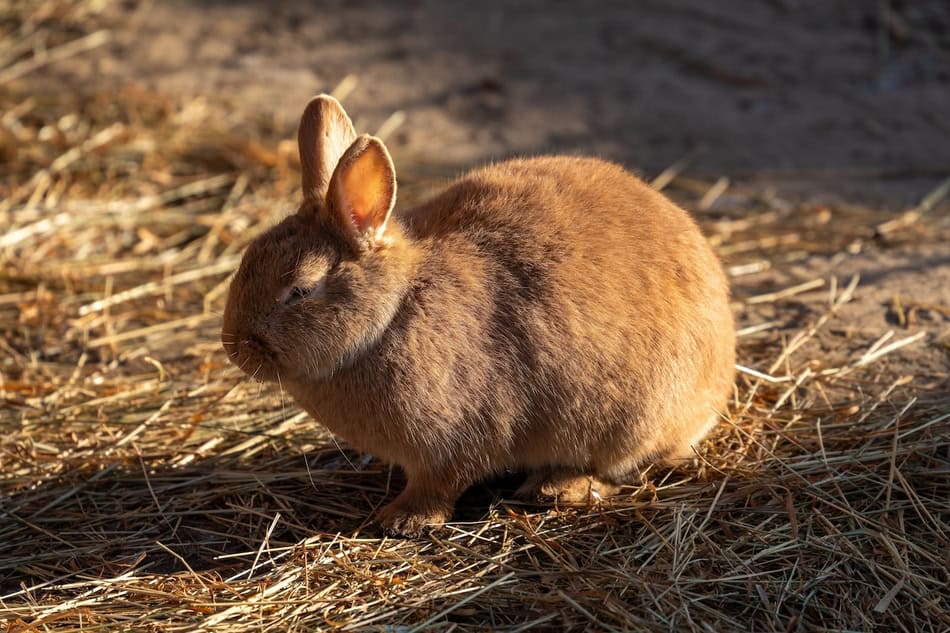
5. “In cold, long winters, rabbits are fat in October and November.”
This one appears repeatedly in old American weather lore.
Where did it come from?
The saying was recorded in 19th-century collections of American weather proverbs:
“In cold, long winters rabbits are fat in October and November; in mild and pleasant winters they are poor in those months.”
It appears in Weather Proverbs, one of the great collections of traditional American weather observations.
Why might rabbits get fat before winter?
Wild animals respond strongly to changing daylight, temperature, food availability, and seasonal conditions.
Autumn is a crucial feeding period. Rabbits and many other mammals take advantage of abundant late-season vegetation and food while preparing metabolically for colder weather.
The saying is especially interesting because earlier farmers weren’t looking at a single day’s weather—they were observing the physical condition of wildlife.
That tradition survives in other Farmers’ Almanac winter signs, from squirrels gathering nuts to woolly bear caterpillars and persimmon seeds.
Related: Explore more weather folklore from the Farmers’ Almanac archives.
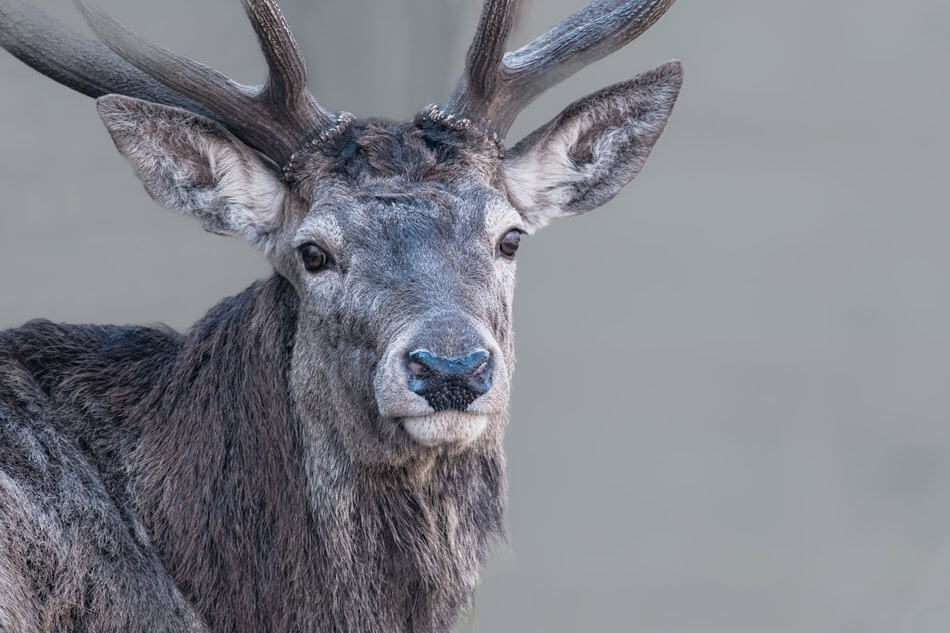
6. “When deer are gray in coat in October, expect a severe winter.”
Animal coats were another favorite forecasting tool of earlier generations.
Where did it come from?
This saying appears in American weather-lore collections and has circulated particularly widely in rural areas of the eastern United States.
Farmers’ Almanac has long included it among its traditional October signs.
There is real biology behind the observation
Deer undergo a striking seasonal transformation.
Their reddish summer coat is replaced by a denser gray-brown winter coat as autumn progresses. That winter coat contains insulating hairs designed to help the animal retain body heat.
Wildlife researchers also know that an animal’s condition going into winter matters enormously. U.S. Forest Service material on deer winter range notes that deer typically enter winter with fat reserves accumulated during summer and fall—and that those reserves help determine how well they withstand severe winter conditions.
So when old-timers watched the deer in October, they really were observing animals undergoing measurable biological preparation for winter.
7. “Gnats in October are a sign of long, fair weather.”
See tiny clouds of gnats dancing in the October sunshine? According to the old saying, keep enjoying the weather.
Where did it come from?
The proverb belongs to the old British and American tradition of using insect activity as a weather indicator and eventually became part of Farmers’ Almanac’s October folklore collection.
Farmers once had good reason to pay attention to insects. Their activity changes dramatically with temperature, moisture, wind, and atmospheric conditions.
Why there may be something to it
Gnats and other small flying insects are far more active during relatively mild, calm conditions than during cold, windy weather.
A warm, quiet October afternoon dominated by high pressure can therefore produce conspicuous swarms.
And high-pressure systems often bring precisely the kind of clear, calm, fair weather the saying predicts.
The insects weren’t necessarily predicting the weather days in advance. They were revealing the atmospheric conditions already surrounding the observer—and those conditions can persist.
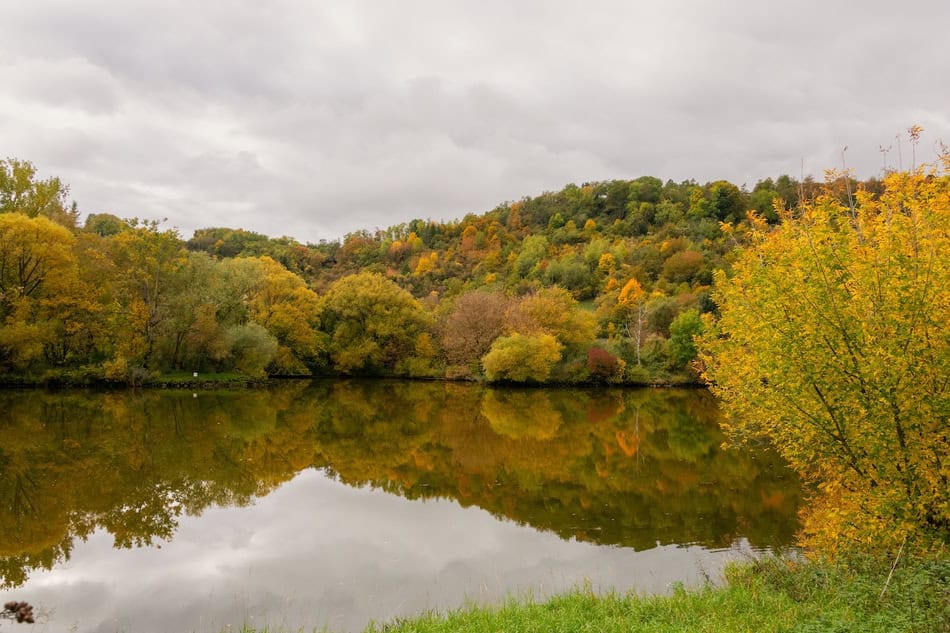
8. “If in October many fall leaves wither and hang on the boughs, it betokens a frosty winter and much snow.”
Look up before you rake.
According to this old saying, trees that stubbornly hold their brown leaves deep into October may be warning of a snowy winter.
Where did it come from?
Versions of this saying appear in historic European and American weather-lore collections and survive in the Farmers’ Almanac archives today.
The fascinating science of leaves that refuse to fall
There is actually a botanical name for dead leaves that remain attached to trees: marcescence.
It is especially common in oaks and beeches.
University of Illinois Extension explains that most deciduous trees form a special layer of cells at the base of the leaf stem as day length shortens and temperatures fall. That layer eventually allows the leaf to detach. In marcescent trees, that separation is delayed or incomplete, leaving dead leaves attached through part—or even all—of winter.
Those retained leaves may even help protect vulnerable buds from drying winter winds and frost.
So an October tree covered with stubborn brown leaves really can be displaying an adaptation closely tied to the approaching winter season.
9. “A hard winter follows a fine St. Denis.”
October 9 once carried special significance for weather watchers.
Where did it come from?
October 9 is the feast day of St. Denis, one of the patron saints of France.
Across medieval and early-modern Europe, feast days provided convenient fixed points on the agricultural calendar. Farmers attached weather observations to these dates because practically everyone knew when they occurred.
The proverb was recorded in 19th-century weather-lore collections including Richard Inwards’ Weather Lore and Charles Swainson’s Handbook of Weather Folk-Lore.
Why feast-day weather sayings became so important
Before printed calendars were universal, memorable religious dates gave rural communities a framework for tracking the seasons.
St. Denis fell at exactly the time of year when northern European weather was beginning its transition toward winter.
A beautiful, warm October 9 would have been especially noticeable—and therefore easy to compare with whatever winter followed.
Over decades and centuries, those comparisons became proverbs.

10. “If it is fine on St. Gall’s Day, it will be fine up to Christmas.”
Here’s another October feast-day forecast—this one looking almost all the way to Christmas.
Where did it come from?
St. Gall’s Day falls on October 16 and commemorates the Irish monk Gall, who became associated with what is now Switzerland.
Throughout agricultural Europe, mid-October feast days became important seasonal markers. St. Gall’s Day fell near the end of harvest and the beginning of preparations for winter.
Farmers’ Almanac preserves the old saying:
“If it is fine on St. Gall’s Day, it will be fine up to Christmas.”
Could October weather really hint at conditions weeks later?
One reason these sayings endured is that weather tends to occur in patterns, rather than as completely isolated days.
Large-scale atmospheric circulation features can persist for considerable periods or return repeatedly during a season. NOAA describes these recurring long-distance pressure patterns as teleconnections.
A settled mid-October weather regime therefore could have provided earlier observers with clues about the broader seasonal pattern taking shape.
And even today, meteorologists studying long-range weather look beyond tomorrow’s temperature to patterns in pressure, ocean temperatures, atmospheric circulation, and recent seasonal trends.
Why October Produced So Much Weather Folklore
October occupies a remarkable place on the old agricultural calendar.
It is the bridge between harvest and winter.
By October, earlier generations were watching for:
- the first hard frost,
- migrating birds,
- animals growing winter coats,
- leaves dropping from trees,
- late-season insects,
- autumn storms,
- the first snow,
- and the final stretches of mild weather.
Those observations mattered.
A harsh winter could determine how much firewood was needed, how much livestock feed had to be stored, when crops needed to be harvested, and whether a family was properly prepared for months of cold.
So people paid attention.
And when the same sequence seemed to happen repeatedly—fat rabbits before a bitter winter, lingering insects during a long fair spell, or a particular October weather pattern preceding a stormy December—they remembered it.
Eventually, they turned those observations into rhymes and sayings that were easy to pass from one generation to the next.
That tradition is very much part of the Farmers’ Almanac story. Weather folklore has appeared in almanacs for generations, and Farmers’ Almanac has been collecting weather wisdom since 1818.
More October Weather Lore
There are dozens more.
“A warm October means a cold February.”
“Thunder in October signifies great winds.”
“When birds and badgers are fat in October, a cold winter is expected.”
“If October brings much frost and wind, then January and February will be mild.”
And one of our favorites:
“There are always nineteen fine days in October.”
How many will your October have?
Keep an eye on the sky, the trees, the animals—and your thermometer—and see which of the old sayings seem to be speaking to you this year.
Which October weather saying did your parents or grandparents use? Tell us in the comments.
Keep Reading
Explore our complete October Weather Lore: 19 Folk Sayings for Predicting Winter.
Read 6 October Weather Sayings and What They Mean.
Discover more October facts, traditions, and folklore.
Sources
Historical wording and origins were checked against A Medley of Weather Lore by M.E.S. Wright and the historic collection Weather Proverbs.
For modern meteorological context, see information from the National Weather Service on frost and radiational cooling and NOAA’s explanation of large-scale atmospheric teleconnections.
University of Illinois Extension provides additional background on marcescence—the retention of dead leaves through autumn and winter.

- Farmers' Almanac Staff

- Farmers' Almanac Staff