
Still Have Halloween Candy? Here’s How Long It Actually Lasts.

November 4 is National Candy Day, and with trick-or-treat bags still overflowing in some households, it’s a good time to find out how long those sweets actually last. Some candies can stay fresh for a year or more when stored properly. Others don’t hold up nearly as well.
So which Halloween treats are worth saving for the holidays, which should you eat sooner, and when should you throw candy away? The answers depend on more than the date printed on the wrapper.
How Long Does Halloween Candy Last?
Not all candy ages the same way. The amount of moisture and fat it contains, how it’s packaged, and where it’s stored all affect how long it stays fresh.
According to Kansas State University food science experts, many commercially packaged candies can maintain their quality for months when kept in a cool, dry place.
Here are general shelf-life guidelines for some common Halloween treats:
| Type of Candy | Estimated Shelf Life |
|---|---|
| Dark chocolate | 1–2 years when wrapped and stored in a cool, dark, dry place |
| Milk and white chocolate | 8–10 months when stored properly |
| Hard candy | Up to 1 year for lollipops, butterscotch, and similar candies |
| Gummies and jellied candies | Up to 1 year unopened; 6–9 months after opening when stored properly |
| Caramels | 6–9 months, although some varieties may last longer |
| Candy corn | About 9 months sealed; 3–6 months after opening |
| Chewing gum | 6–9 months in sealed packaging |
These are general quality guidelines, not guaranteed safety deadlines. They also don’t mean that a chocolate bar collected on Halloween will necessarily remain fresh for another ten months. Some of its shelf life has already passed before it reaches your candy bowl.
The manufacturer’s date on the package is a better guide for an individual product.
If you have an especially large supply of candy corn, our candy corn facts and history guide has more about this old-fashioned Halloween favorite.
Why Does Chocolate Sometimes Turn White?
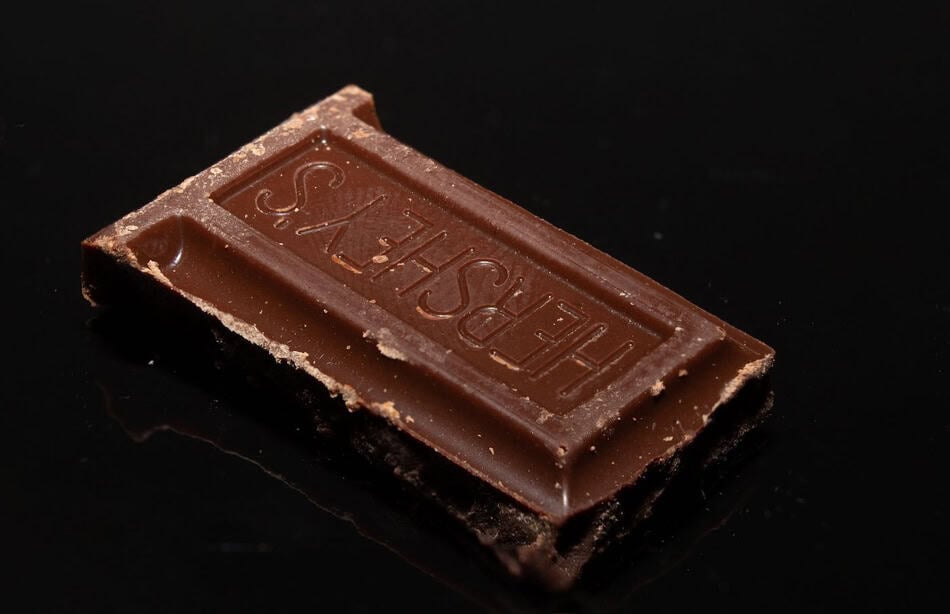
Have you ever unwrapped an old chocolate bar and noticed a pale, grayish-white coating on the surface?
It might look as though something has gone wrong, but the explanation is often harmless.
Chocolate can develop a condition called bloom. According to The Hershey Company’s product guidance, there are two common types.
Fat bloom happens when cocoa butter moves to the chocolate’s surface and changes its appearance. Sugar bloom can occur when moisture affects the chocolate, allowing dissolved sugar to recrystallize on the surface.
Both can leave chocolate looking dusty, streaky, or whitish.
The good news? Chocolate bloom itself is not dangerous. The chocolate may taste a little different or have a grainier texture, but the discoloration alone doesn’t mean it has spoiled.
Of course, don’t confuse bloom with visible mold or other signs of deterioration. If a candy smells unpleasant, shows suspicious growth, or has been stored improperly, it’s better to discard it.
Does the Expiration Date on Candy Really Matter?
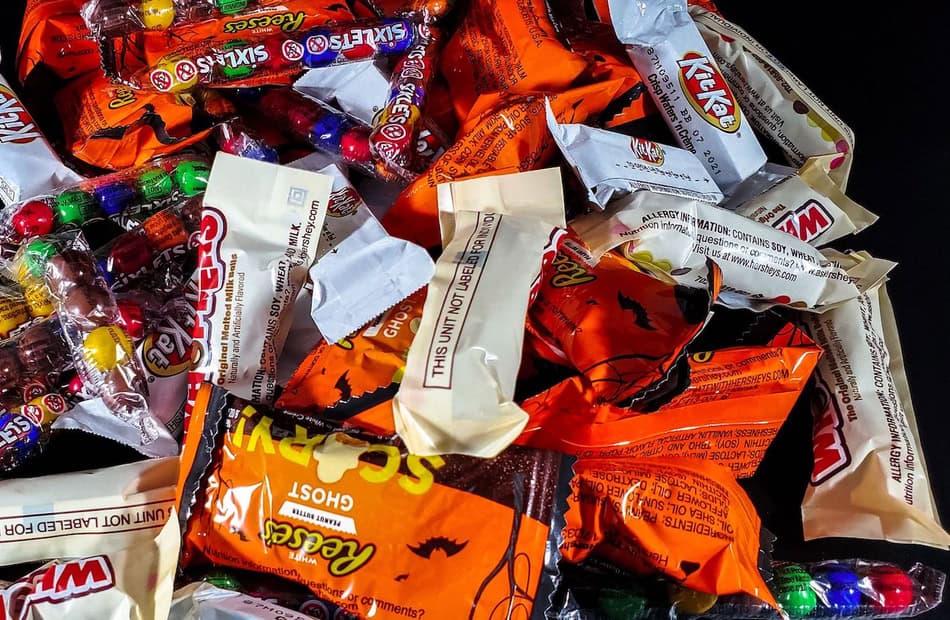
Here’s something worth knowing before you start throwing away perfectly good candy: The date printed on a package often tells you more about quality than safety.
The USDA explains that a “Best if Used By” date generally indicates when a product should have its best flavor or quality. It isn’t automatically the date when the food becomes unsafe.
That doesn’t mean candy lasts forever. Over time, chocolate fats can develop unpleasant flavors, chewy candy may change texture, and hard candy can become sticky when exposed to moisture.
There’s another important exception to those generous storage estimates: ingredients such as nuts and fillings can shorten a candy’s shelf life.
Hershey notes that many of its confectionery products taste best within about a year of manufacture, but ingredients such as nuts can reduce that period.
So a plain chocolate bar and a candy bar packed with nuts or creamy filling shouldn’t automatically be treated as having the same shelf life. Follow the specific product’s storage instructions and date.
The Best Way to Store Leftover Halloween Candy
If you want your Halloween candy to stay fresh through the holidays, where you put it matters.
A cool, dry pantry or cupboard is generally a good choice. Keep unopened candy in its original packaging and place loose, individually wrapped pieces in a clean, covered container.
Avoid leaving candy on sunny windowsills, near heaters, or in other warm places. Heat can melt chocolate and soften candies, while humidity can make sugar-based sweets sticky.
And although the refrigerator may seem like an obvious solution, it isn’t necessarily the best place for chocolate. Refrigeration and temperature changes can contribute to condensation and changes in the chocolate’s appearance and texture.
The National Confectioners Association also notes that chocolate can absorb nearby odors, another reason to keep it well wrapped.
If you’re planning to enjoy leftover sweets over several weeks, keep the bulk of the candy sealed and take out just what you need.
When Should You Throw Halloween Candy Away?
Even candy with a long shelf life deserves a quick inspection before you eat it.
Discard candy that has visible mold, signs of insects or other contamination, an unpleasant odor, or damaged packaging that may have exposed the food to dirt or moisture.
Be especially cautious with unwrapped treats, candy that has been left outdoors, and homemade confections. Chocolate-dipped fruit, caramel apples, and other homemade treats containing perishable ingredients do not follow the same shelf-life guidelines as commercially packaged candy.
And don’t feel obligated to keep candy that has clearly lost its flavor or texture. A stale sweet isn’t much of a treat.
A Sweet Reason to Celebrate November 4
National Candy Day arrives at an awfully convenient time. Halloween has just passed, holiday candy is beginning to appear in stores, and plenty of households are still sorting through the trick-or-treat haul.
If your leftover candy is properly stored and in good condition, there’s no need to rush through it before it goes bad.
That chocolate bar might still taste perfectly good at Christmas. Your hard candy could last considerably longer.
Just remember that the best way to make Halloween candy last isn’t to hide it in the back of a cupboard and forget about it.
It’s to store it properly, check the dates, and enjoy it while it’s still at its best.

- Maggie Konrad

- Maggie Konrad
- Maggie Konrad
- Maggie Konrad