
Scientists Found a Surprising New Way to Protect Orange Trees. It Started With Spinach.

What could spinach possibly have to do with saving America’s orange trees?
Quite a lot, it turns out.
Scientists have developed a treatment using proteins originally found in spinach to help citrus trees fight one of the most destructive diseases in American agriculture.
And in October 2026, the treatment reached a major milestone: approval from the U.S. Environmental Protection Agency, opening the door to commercial use.
It’s encouraging news for citrus growers who have spent years battling a disease that has devastated orange groves, particularly in Florida.
The Disease Threatening America’s Orange Trees
Citrus greening, also known as Huanglongbing or HLB, is a bacterial disease spread by a tiny insect called the Asian citrus psyllid.
The bacteria interfere with a tree’s ability to transport nutrients. Infected trees may develop yellowing leaves, produce small or bitter fruit, and eventually die.
Florida’s orange industry has been hit especially hard. Growers have spent years managing infected trees and controlling the insects that spread the disease, but there is still no established cure.
That’s why researchers began looking for new ways to help citrus trees defend themselves.
How Spinach Became an Unlikely Ally
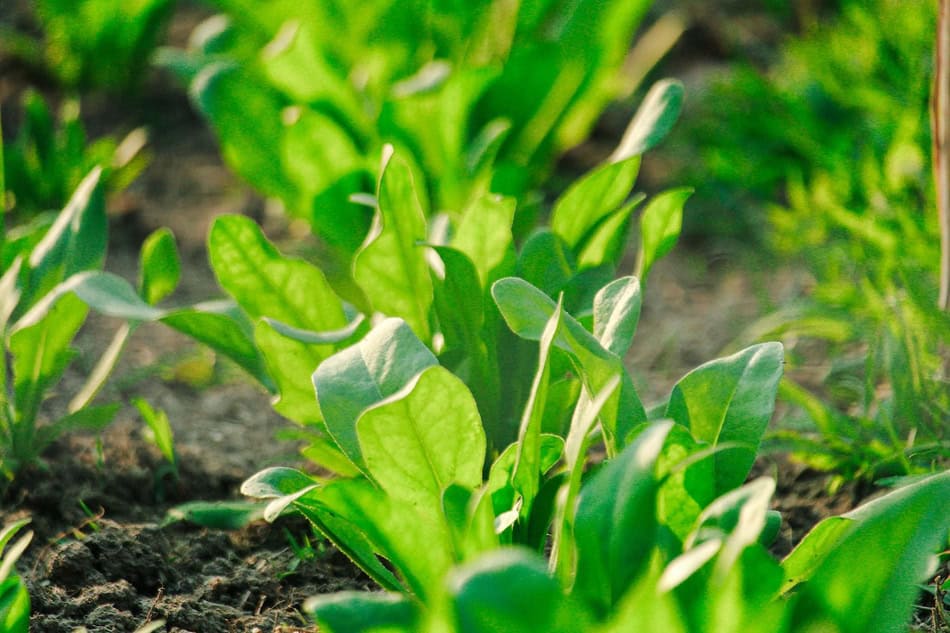
Spinach naturally produces protective proteins called defensins, which help defend the plant against certain microorganisms.
Researchers at Texas A&M AgriLife Research discovered that some spinach-derived defensins could also help citrus trees resist the bacteria responsible for citrus greening.
But getting those proteins into a tree posed another challenge.
Their solution was to use a modified form of citrus tristeza virus as a delivery system.
The modified virus carries genetic instructions that allow the citrus tree to produce the protective spinach-derived proteins within its own tissues.
Instead of repeatedly applying a treatment to the outside of the tree, scientists developed a way for the tree to produce these defensive proteins internally.
The research took more than a decade and involved university scientists, agricultural researchers, and biotechnology partners.
A Major Step Forward for Citrus Growers
On October 13, 2026, the USDA National Institute of Food and Agriculture announced that the Environmental Protection Agency had granted registration to the new treatment developed by Silvec Biologics.
It’s an important milestone that clears a regulatory hurdle toward commercial use.
However, the treatment is not a cure for citrus greening. Its effectiveness, cost, and practicality across commercial groves will determine how widely growers adopt it.
For farmers who have spent years managing this disease, the development represents another potentially valuable tool, not a replacement for existing disease-management practices.
What Does This Mean for the Oranges We Eat?
Citrus greening affects tree health and fruit quality, but it does not make oranges dangerous for people to eat.
The larger concern is what the disease has done to citrus production. Infected trees can yield fewer marketable oranges, making it increasingly difficult and costly to maintain productive groves.
If the new treatment performs well commercially, it could help protect trees and support future harvests.
And the discovery may have implications beyond oranges. Citrus greening also affects grapefruit, lemons, and other citrus varieties.
For now, scientists and growers have reason to be encouraged, even as more work remains.
The next time you pass a bag of spinach in the grocery store, consider its unexpected connection to the orange juice aisle. A plant best known for its leafy greens may help protect one of America’s most familiar fruit crops.

- Maggie Konrad

- Maggie Konrad
- Maggie Konrad
- Maggie Konrad