
8 Things You Probably Didn’t Know About Sweet Potatoes
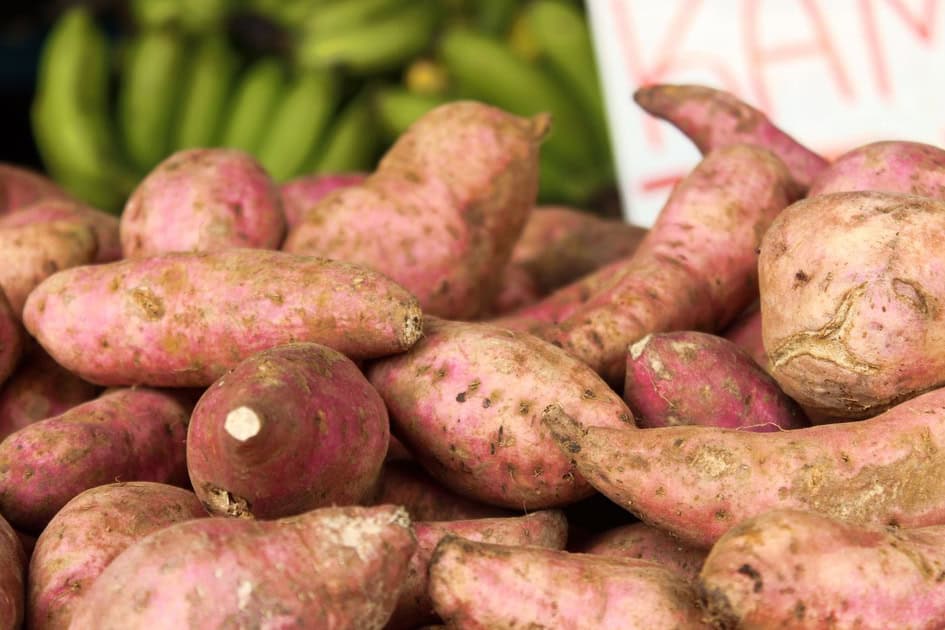
Sweet potatoes have been mashed, baked, candied, and topped with marshmallows for generations of Thanksgiving dinners. Yet one of the most familiar vegetables on the holiday table has a few surprises of its own.
For starters, sweet potatoes aren’t actually potatoes. And that sweetness we love? Farmers have a hand in developing it long before the crop reaches the grocery store.
Quick Reference: 8 Sweet Potato Facts
- Not really potatoes: Sweet potatoes belong to the morning glory family.
- Not yams: Most foods labeled “yams” in U.S. grocery stores are sweet potatoes.
- Many colors: Their flesh can be white, yellow, orange, or purple.
- Grown from slips: Farmers usually plant young shoots rather than seeds.
- Sweeter after curing: Warm, humid curing conditions improve flavor and storage life.
- Don’t refrigerate raw: Store in a dark, ventilated spot, ideally at 55–60°F.
- Rich in beta-carotene: Orange varieties provide a source of vitamin A.
1. Sweet Potatoes Aren’t Related to Regular Potatoes
Despite their names, the two plants belong to different botanical families.
Sweet potatoes (Ipomoea batatas) are members of the morning glory family, while regular potatoes belong to the nightshade family, along with tomatoes and eggplants.
A sweet potato plant even produces flowers resembling morning glories, although the crop is grown for its enlarged underground roots.
2. Most American “Yams” Are Sweet Potatoes
That can of candied yams on the Thanksgiving shopping list? Chances are, it contains sweet potatoes.
True yams are entirely different plants, belonging to the genus Dioscorea. They’re generally starchier and drier than sweet potatoes.
The confusion developed in the United States when softer, orange-fleshed sweet potato varieties were marketed as yams to distinguish them from firmer varieties.
The Library of Congress explains that packages using the term “yam” in the United States must also identify the product as a sweet potato when that’s what it contains.
3. They Come in More Colors Than Orange
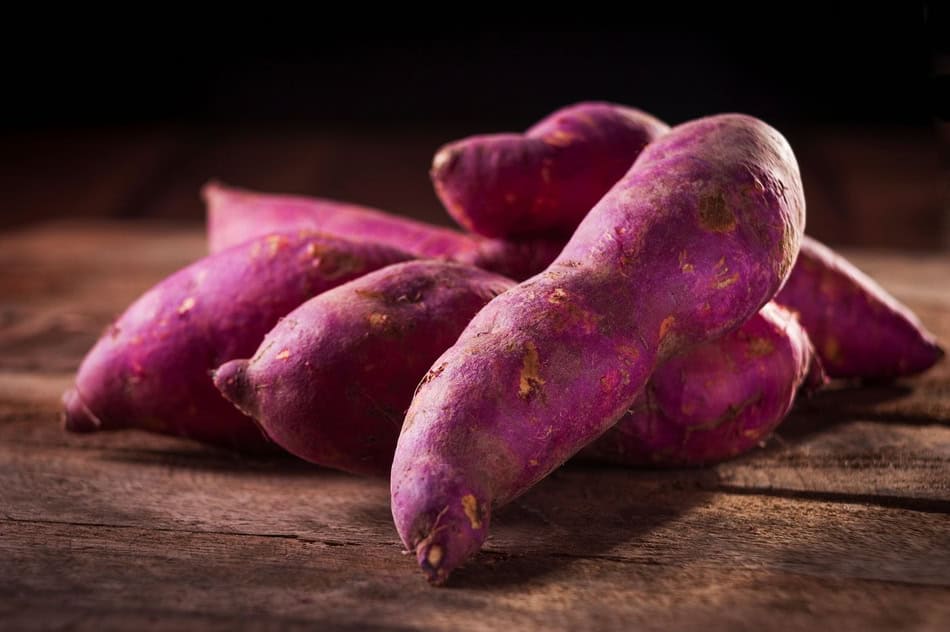
Sweet potatoes can have white, yellow, orange, or purple flesh, depending on the variety.
Orange-fleshed types are especially popular for Thanksgiving casseroles because of their moist texture. White-fleshed varieties tend to be drier and starchier, while purple varieties bring a striking color to the plate.
For a different holiday side dish, try roasting a mixture of varieties rather than relying on the familiar orange ones.
4. Farmers Usually Grow Them From Sprouts, Not Seeds
Sweet potatoes are commonly grown from slips, young shoots produced by sprouting mature sweet potato roots.
Farmers plant these slips once the soil is warm enough. The vines spread across the ground while new storage roots develop underneath.
It’s a warm-season crop that requires careful timing. According to University of Georgia Extension, sweet potatoes are planted after frost danger has passed and soil temperatures have warmed sufficiently.
5. North Carolina Grows More Than Half of America’s Sweet Potatoes
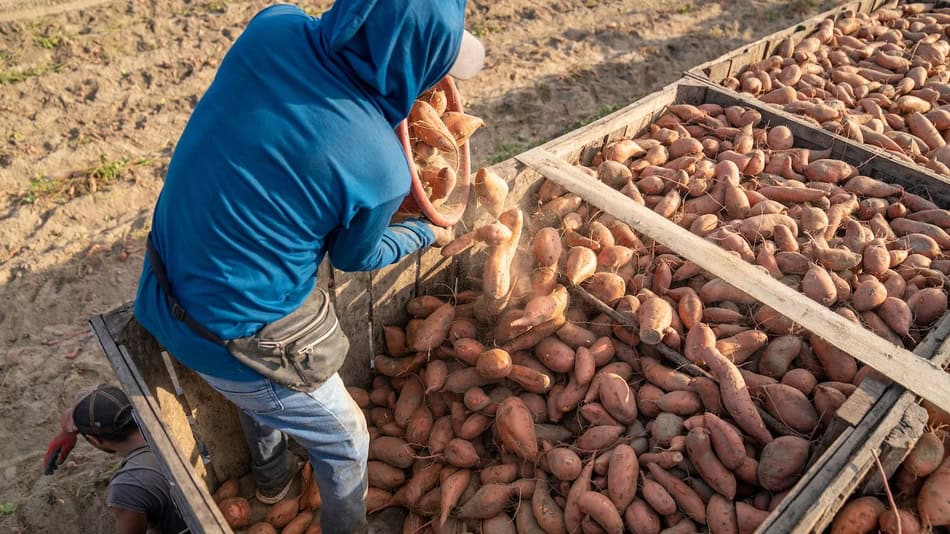
North Carolina is the country’s leading sweet potato-producing state.
According to the USDA’s 2025 agricultural statistics, North Carolina farmers harvested approximately 1.89 billion pounds of sweet potatoes that year.
That’s more than half of the nation’s production, making the crop an important part of the state’s agricultural economy.
Mississippi and California are also major producers.
6. Farmers Cure Sweet Potatoes to Improve Their Flavor
Freshly dug sweet potatoes aren’t necessarily at their sweetest.
After harvest, growers commonly cure the roots in warm, humid conditions. This helps minor harvest wounds heal, improves storage life, and encourages some starches to convert into sugars.
Mississippi State University Extension recommends curing freshly harvested sweet potatoes before long-term storage.
The process is one reason a properly handled sweet potato can taste better after harvest than it did straight out of the ground.
7. The Refrigerator Is Too Cold for Raw Sweet Potatoes
Unlike many vegetables, raw sweet potatoes don’t belong in the refrigerator.
Prolonged exposure to low temperatures can damage their internal structure and affect their flavor and texture when cooked.
Store uncooked sweet potatoes in a dark, well-ventilated location, ideally around 55–60°F. Avoid damp storage areas and wash them only when you’re ready to prepare them.
Cooked sweet potatoes, on the other hand, should be refrigerated promptly.
8. Their Orange Color Comes With a Nutritional Benefit
Orange-fleshed sweet potatoes contain beta-carotene, the pigment responsible for much of their color.
Your body can convert beta-carotene into vitamin A, which supports normal vision and immune function.
According to the National Institutes of Health, one baked sweet potato can provide more than the daily recommended amount of vitamin A for adults.
It’s an impressive contribution from a vegetable that often shares the Thanksgiving table with butter, brown sugar, and marshmallows.
For more ways to prepare this American-grown favorite, explore our award-winning sweet potato recipes.

- Maggie Konrad

- Maggie Konrad
- Maggie Konrad
- Maggie Konrad