5 Sunniest Cities in the United States (2026 Ranking, NOAA Climate Data)

A look at America’s sunniest cities.
Looking for endless blue skies and year-round sunshine? Whether you are planning a winter escape, dreaming of retirement, or simply love warm weather, these five US cities receive more sunshine than just about anywhere else in the country.
Using long-term climate data and sunshine records, we rounded up America’s brightest destinations. The rankings below draw on the NOAA National Centers for Environmental Information (NCEI) U.S. Climate Normals and long-run sunshine hour tallies gathered from first-order weather stations. Grab your sunglasses and discover the sunniest cities in the United States.
RELATED: Farmers’ Almanac Long Range Weather Forecast
Quick Reference
- Sunniest US city: Yuma, Arizona, with more than 4,000 hours of bright sunshine per year
- Sunny-day share (Yuma): About 90% of possible daylight hours
- Runners-up: Phoenix (3,872 hrs), Las Vegas (3,825 hrs), Tucson (3,806 hrs), El Paso (3,763 hrs)
- Best US region for sunshine: The desert Southwest, driven by dry air, low humidity, and persistent high pressure
- Sunshine State check: Florida does not crack the top five; Miami trails Yuma by 700+ hours per year
What Makes a City “Sunny”?
Meteorologists measure sunshine by tracking the percentage of possible daylight hours that are actually sunny, along with the total annual hours of bright sunshine. Not surprisingly, the desert Southwest dominates the list thanks to its dry climate, low humidity, and frequent high-pressure systems.

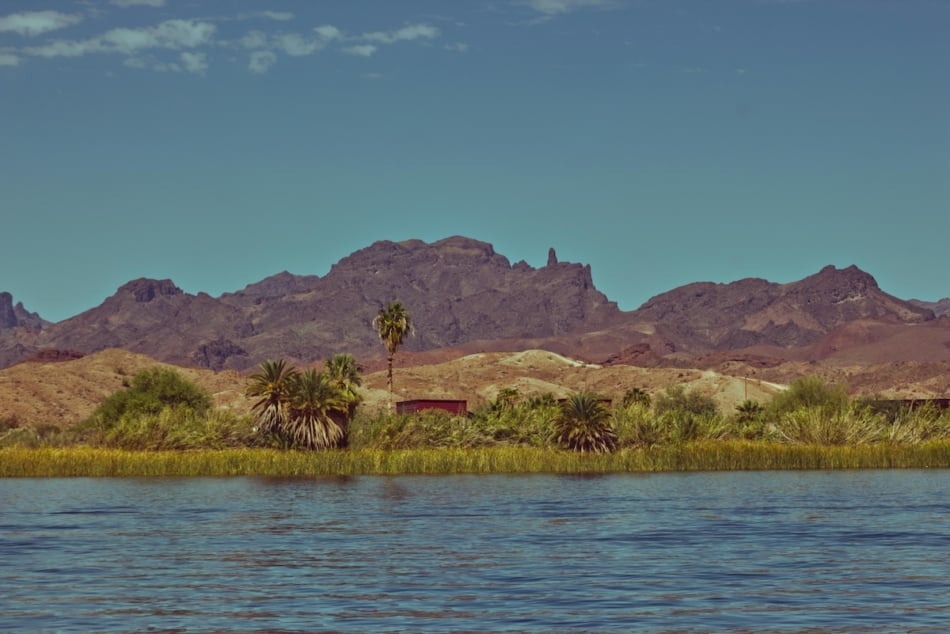
1. Yuma, Arizona
Average Annual Sunshine: 4,015+ hours
Sunny Days: About 90% of daylight hours
If sunshine were a competitive sport, Yuma would take home the gold every year. Located in the southwestern corner of Arizona at the confluence of the Colorado and Gila rivers, Yuma is widely recognized as the sunniest city in the United States and, by many measurements, the world. The city averages more than 4,000 hours of sunshine annually and enjoys clear skies roughly 90% of the time.
Winter visitors flock here for mild temperatures, abundant outdoor recreation, and virtually guaranteed sunshine. The city’s snowbird population roughly doubles between November and March, according to the Yuma Visitors Bureau.
Fun Fact: Yuma has been recognized by Guinness World Records as the “Sunniest City on Earth.”
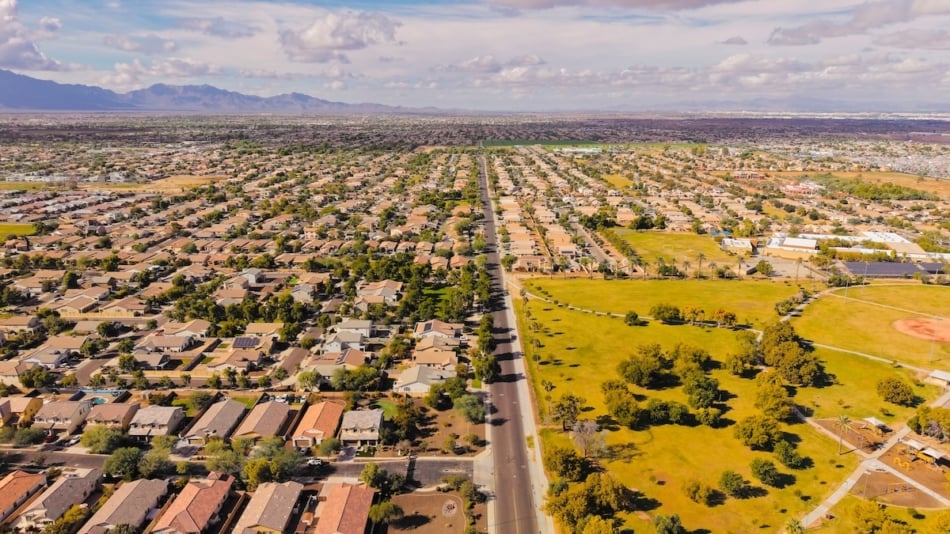
2. Phoenix, Arizona
Average Annual Sunshine: 3,872 hours
Phoenix isn’t far behind its neighbor Yuma. Nestled in the Sonoran Desert, Arizona’s capital enjoys nearly 3,900 hours of sunshine each year. Long, hot summers and mild winters make outdoor activities possible nearly year-round.
The city is famous for its golf courses, hiking trails, and spectacular desert sunsets.
Fun Fact: Phoenix receives more sunshine than any major US city outside of Yuma.

3. Las Vegas, Nevada
Average Annual Sunshine: 3,825 hours
The entertainment capital of the world also happens to be one of the sunniest places in America. Las Vegas averages more than 300 sunny days each year and enjoys bright sunshine during about 86% of daylight hours.
Beyond the famous Strip, visitors can explore nearby Red Rock Canyon, Lake Mead, and the Mojave Desert under consistently clear skies.
Fun Fact: Las Vegas receives only about 4 inches of rain annually, less than one-tenth of the US national average.
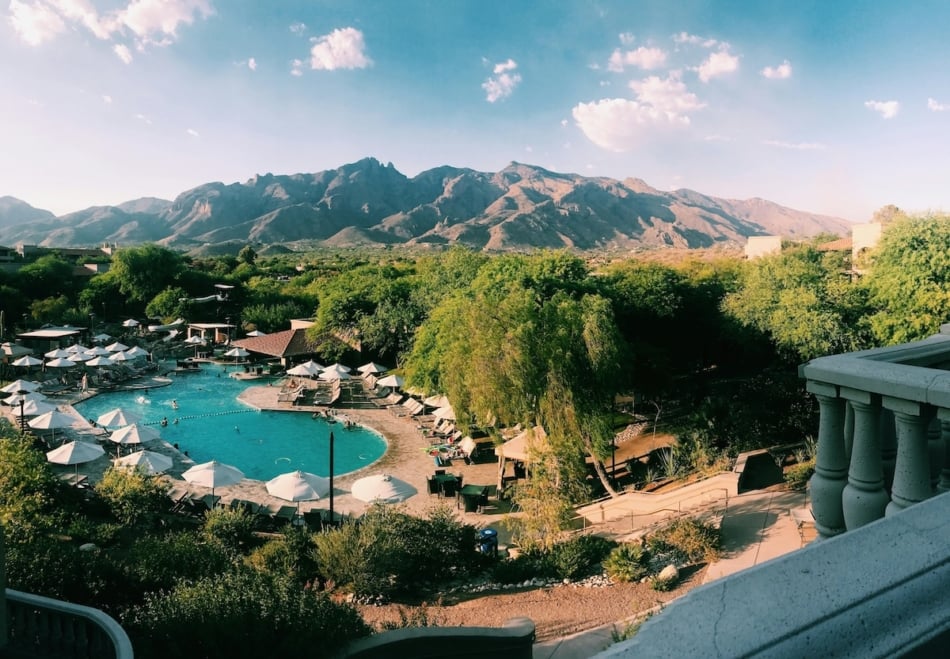
4. Tucson, Arizona
Average Annual Sunshine: 3,806 hours
Arizona claims another spot in the top five with Tucson. Surrounded by mountain ranges and saguaro-studded desert landscapes, Tucson enjoys sunny weather throughout the year. While summer monsoon storms occasionally bring dramatic afternoon clouds and lightning, sunshine remains the rule rather than the exception.
The city’s blend of outdoor adventure, rich history, and vibrant food scene makes it a favorite destination for sun seekers. UNESCO named Tucson a City of Gastronomy in 2015, the first US city to earn the designation.
5. El Paso, Texas
Average Annual Sunshine: 3,763 hours
Rounding out the list is El Paso, Texas. Situated in the Chihuahuan Desert along the Rio Grande, El Paso enjoys more than 300 sunny days per year and some of the clearest skies in the Lone Star State.
The city’s high elevation (3,740 feet above sea level) and arid climate help keep humidity low, making even hot summer days feel more comfortable than in many other parts of the country.
Fun Fact: El Paso is often called the “Sun City” thanks to its abundance of bright, sunny days.
The Full US Sunshine Ranking at a Glance
RELATED: 10 Worst Weather Cities in the US 2026: Ranked by Cloud Cover, Rain, and Snow
Why Are These Cities So Sunny?
Most of America’s sunniest cities are located in the Southwest, where desert climates naturally limit cloud formation and rainfall. Persistent high-pressure systems, low humidity, and abundant dry air help create ideal conditions for clear skies year-round.
A subtropical high-pressure belt sits near 30 degrees north latitude, which runs right through the Southwest. Air descending in that belt warms and dries, suppressing the cloud cover that would form in the more humid Southeast. The desert Southwest also lies in the rain shadow of the Sierra Nevada and other coastal ranges, which strip most Pacific moisture before it can reach Arizona or Nevada.
RELATED: 5 Snowiest Places in the US 2026: Ranked by Annual Snowfall
Sunshine State? Not So Fast!
Despite its nickname, Florida doesn’t dominate the sunshine rankings. While cities like Miami receive plenty of sunny weather (Miami averages around 3,155 hours per year), desert locations in Arizona, Nevada, and Texas typically log hundreds more hours of sunshine each year. Miami trails Yuma by roughly 860 hours, or the equivalent of 36 extra 24-hour days of sunshine in the Arizona city every year.

Frequently Asked Questions
What is the sunniest city in the United States?
Which state has the most cities in the top five?
Does more sunshine mean hotter temperatures?
Where should snowbirds go for winter sunshine?
Why is Florida called the Sunshine State if it is not in the top five?
Is Yuma really the sunniest place on Earth?

- Tim Konrad

- Tim Konrad
- Tim Konrad
- Tim Konrad