

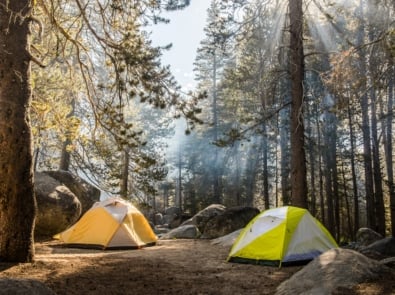
If you're looking for a budget-friendly vacation, why not try camping? Camping allows you to reconnect with nature, sleep under...
Read More
If you're looking for a budget-friendly vacation, why not try camping? Camping allows you to reconnect with nature, sleep under...
Read More
If you were born in June, you have a richer birthstone lineup than almost anyone else on the calendar. The...
Read More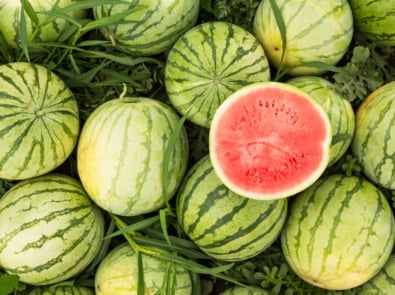
A ripe watermelon off your own vine is one of the sweetest rewards of the 2026 garden, but the melon...
Read More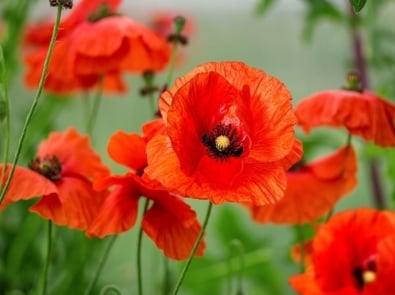
Have you ever wondered if the poppy seeds on the bagel you’re eating come from the same poppy flower that produces opium? They actually do, but they have been scrubbed of the milky substance which forms illegal narcotics and therefore are perfectly safe to eat. Don’t be alarmed: The poppy flowers growing in your backyard are a different species! There are 120 varieties of poppies, only one of which you cannot grow in the US. Learn all about poppy flower history, nutrition, folklore, and tips for growing. Read on.
Read More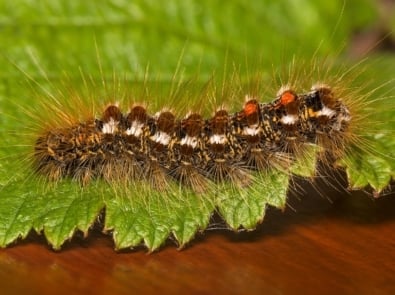
You may already be familiar with threatening browntail moth caterpillars, especially if you live in the northeastern US. Found primarily on the coast of Maine and Cape Cod, the dangers of browntail moth caterpillars are two-fold: They cause skin rashes and also feed on trees to the point of killing them. Due to their seasonal resurgence, this bothersome creature is receiving lots of attention lately. As the weather warms and people begin heading outdoors, browntail moth caterpillars are also emerging from their webs in the trees. For information on when and where to spot them, how to treat a browntail moth rash, and how to prevent your plant life from being destroyed, keep reading.
Read More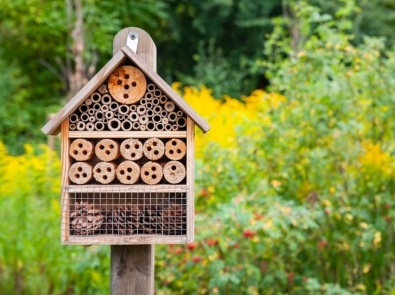
Think those cute little houses in the backyard are just for birds? Think again! They can be for bees, too. This year, as people become more aware of bee populations declining, bee houses are taking center stage as popular garden decorations. They are charming, valuable habitats for our essential pollinators. After all, we wouldn't be able to live without the bees! Learn how to save the bees simply: Hang a bee house today! Read on.
Read More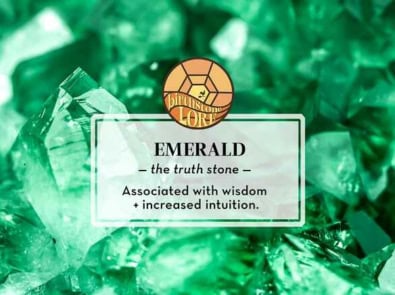
If your birthday falls between May 1 and May 31, your birthstone is the emerald, a stone the Greeks named...
Read More
If you’ve been wondering if nature’s timing is off, you’re not alone! Reports of plants blooming at odd times and migratory birds showing up early or late are becoming more and more common. Climate change has made nature’s documented cycles unreliable, and we can no longer use a standard calendar to plan our gardens. This is why savvy gardeners are turning to "phenology," a practice which is more in-tune with nature and less dependent on set dates. Learn how to read Mother Nature's cues and plant in synch with the environment. Read on.
Read More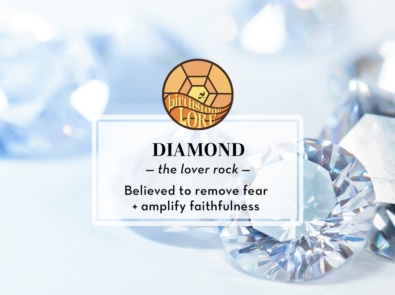
The diamond is April's birthstone. Its name comes from the Greek word, “adamas,” meaning unconquerable and indestructible. What makes it so special? Learn about its legendary hardness, unmatched sparkle, and mysterious folklore. We explain why ancient Egyptians wore diamonds on their ring fingers and other surprising facts about this rare gem. Read on.
Read More
We are excited to announce: Our secret formula for predicting the weather will travel aboard the Ax-1 mission to the International Space Station, set to launch April 6th!
Read More