

The Cajun Navy: How Louisiana Volunteers Rescue Flood Victims
When floodwaters overcome southern neighborhoods, Cajun Navy volunteers are often the first to respond, purely out of human kindness.
Quick Reference: The Cajun Navy
- What it is: A 100% volunteer flotilla of private boat owners who self-deploy to flooded neighborhoods.
- Where it started: Southern Louisiana, first mobilized after Hurricane Katrina in August 2005.
- Peak deployments: Hurricane Harvey (Houston, August 2017, nearly 50 inches of rain), the August 2016 Baton Rouge floods (30 inches in two days), Hurricane Ida (August-September 2021).
- Who can join: Anyone with a truck, a boat, or friends who have both. No Louisiana residency required.
- How to help: Coordinate through LACajunNavy.org, AmericasCajunNavy.org, or Cajun Navy Relief on Facebook.
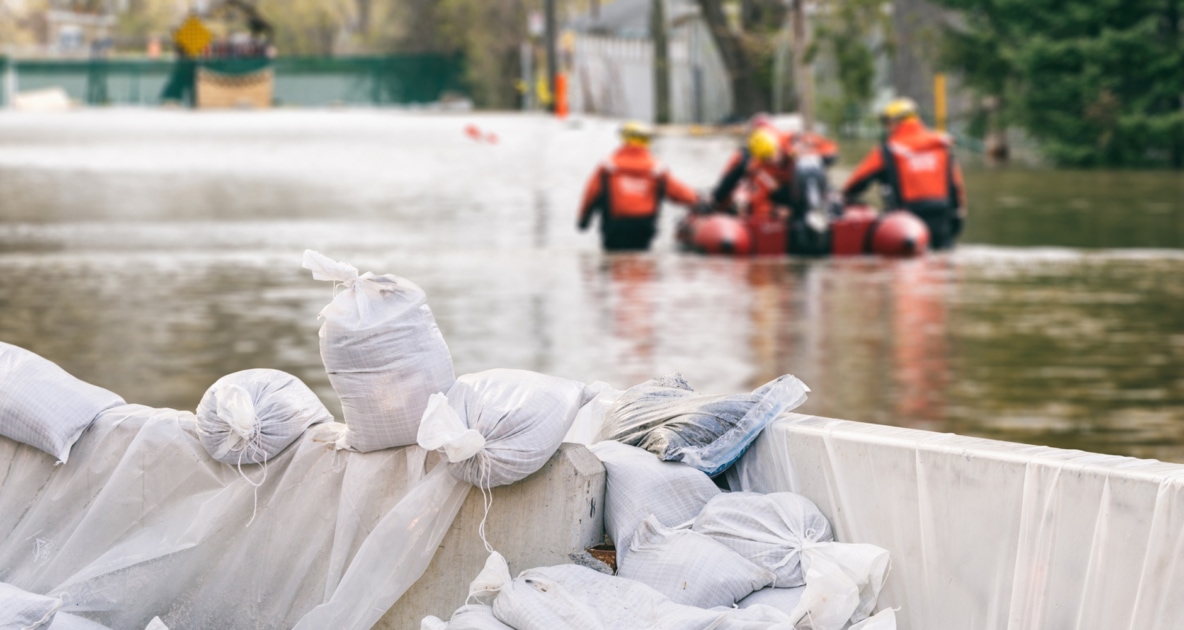
When floodwaters rise in a Louisiana parish or a Texas subdivision, the boats often show up before FEMA does. They belong to the Cajun Navy: a 100 percent volunteer flotilla of private skippers and crews who trailer their own vessels into disaster zones, launch off submerged highways, and ferry neighbors and strangers alike to dry ground. Using skills honed from Louisiana’s 5,000 miles of navigable streams, this loose network mobilizes on social media, coordinates by radio, and asks nothing in return.
Where the Cajun Navy Came From
The name “Cajun Navy” traces to Hurricane Katrina in August 2005, when Louisiana state senator Nick Gautreaux put out a public call for private boat owners to help pull survivors from New Orleans rooftops. Roughly 400 boats responded within days, according to reporting collected by the Tulane University disaster archive. The name stuck. The model spread. Cajuns’ historical reputation for self-sufficiency, which includes hunting and fishing, goes hand-in-hand with a joie de vivre that lets them laugh at themselves, and that same self-sufficient streak carried straight into disaster response.
By the mid-2010s, three loosely affiliated groups had taken shape: the United Cajun Navy, Louisiana Cajun Navy, and Cajun Navy Relief. They coordinate through public Facebook pages, Zello walkie-talkie channels, and a rotating cast of dispatchers who match 911 calls to the nearest crew with a boat.
Do You Have to Be Cajun to Join?
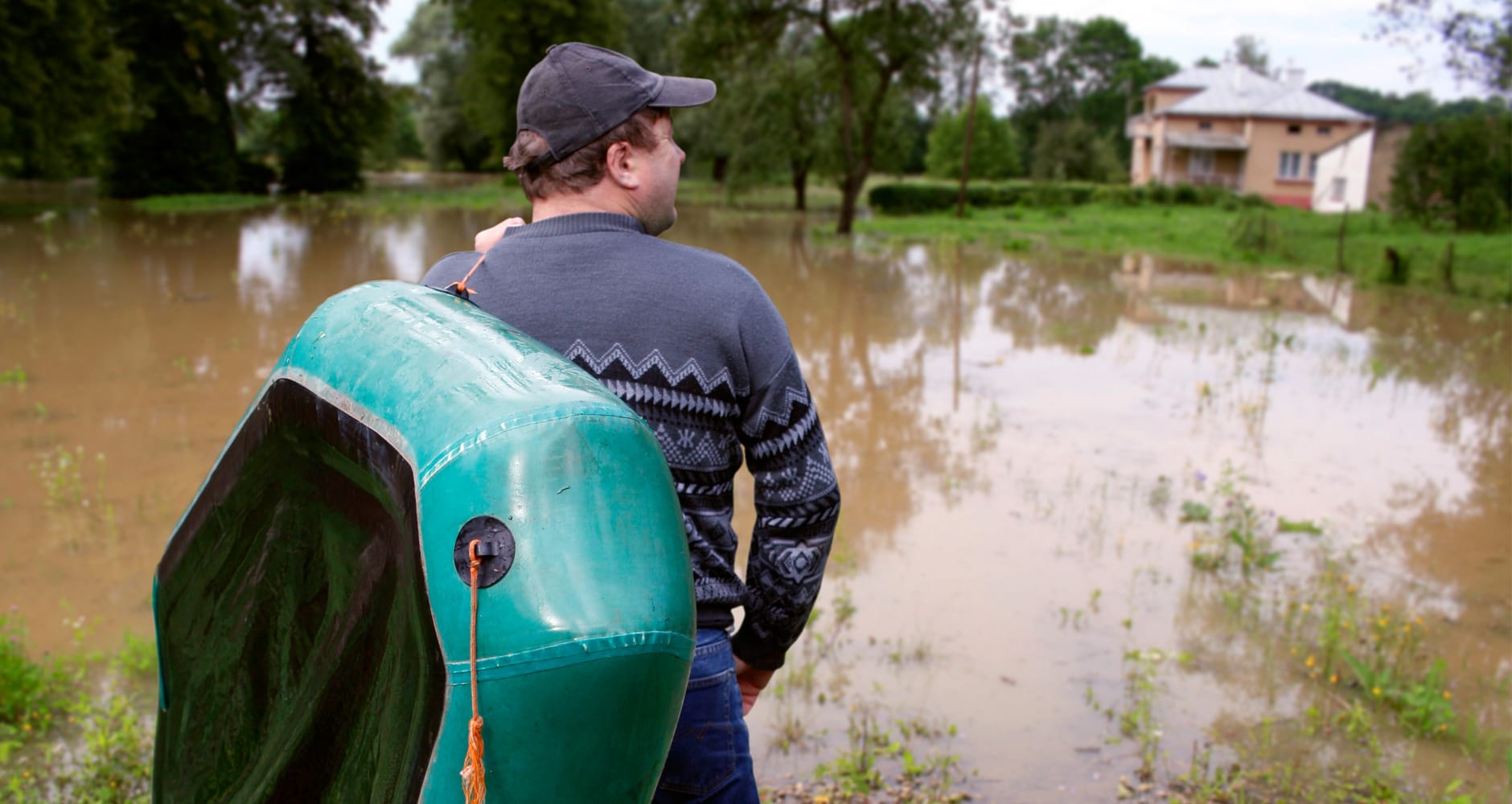
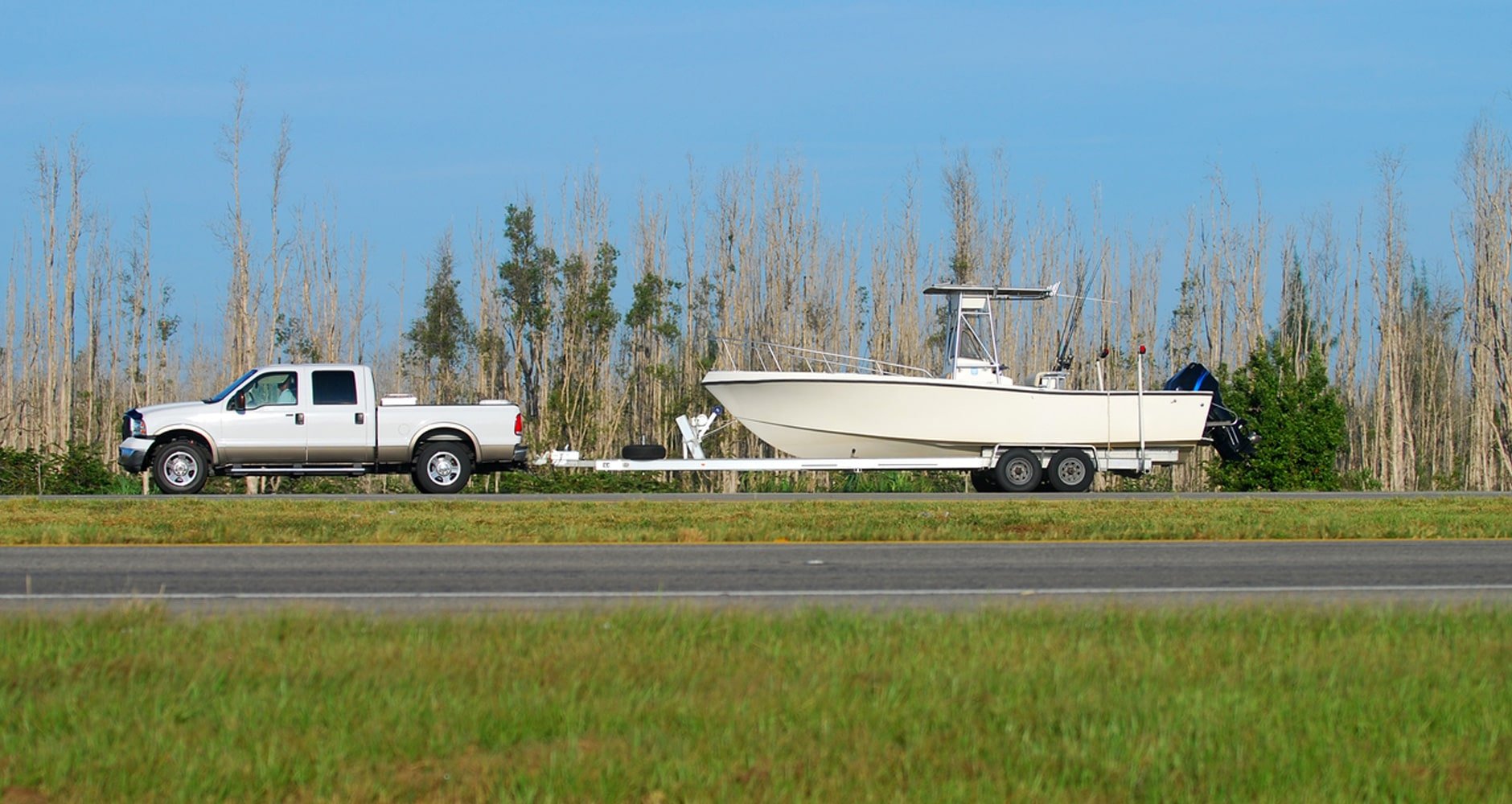
You do not have to be Cajun to be in the Cajun Navy. All you need is a truck, a boat, or a few good friends with these things, and the desire to help those in need. To join, respond to the calls for boat handlers circulated on social media. These altruistic individuals show up in pickup trucks trailering boats and head to the location in need. People without boats find friends with small watercraft or join crews as strangers, and end up as comrades in life jackets.
What Are Cajuns?
Cajuns descended from Acadians exiled in the mid-1700s from what is now known as the “Maritimes of Eastern Canada.” They speak a distinctive version of French used by other French descendants in Louisiana. Cajuns have their own holidays and celebrations (like Mardi Gras), their own cuisine, and their own musical traditions. After World War II, they lived a largely insular life in southern Louisiana. That cultural cohesion is part of why the Cajun Navy mobilizes fast: neighbors already know each other’s trucks, boats, and radio frequencies.

Hurricane Ida Relief
The Cajun Navy was among the first civilian responders when Hurricane Ida made landfall on August 29, 2021, on the sixteenth anniversary of Katrina. Volunteer crews pulled residents out of Lafitte, Jean Lafitte, and Grand Isle in the days that followed. Footage from that response is embedded below.
Hurricane Harvey: Baton Rouge to Houston
Lee Mouk, a 51-year-old manufacturer’s sales representative and member of the Cajun Navy, took his boat from Baton Rouge to Houston in August 2017 after Hurricane Harvey dumped nearly 50 inches of rain on Houston and the surrounding communities. He was one of hundreds. The National Weather Service Houston office logged Harvey as the wettest tropical cyclone ever recorded in the continental United States, and Cajun Navy volunteers ferried families out of Beaumont, Vidor, and Port Arthur for more than a week after the storm passed.
Local Patriotism: The Baton Rouge Flood of August 2016
Neighbors of Chris and Canette Liddy and Clyde and Van Day jokingly called themselves an honorary squadron of the Cajun Navy. They used a canoe, wheelbarrows, and pickup trucks to remove belongings from the couples’ houses after a freak 30-inch deluge fell on Baton Rouge over the course of two days in August 2016.
The neighbors came day after day, hauling soaked furniture and carpeting to the curb. They tore out sodden walls and set up fans to dry the inside of the houses before mold could set in. At last, matters were left to the flooded families and a contractor they shared. Merely a half-year later, there was a big jambalaya dinner to celebrate the families’ return to their houses. Neighbors sat in chairs on grass a canoe had once passed over.
A reporter who sailed with the Cajun Navy in Texas summed up rescuers’ motivations perfectly as a “three-way split between religious love-thy-neighbor, local patriotism, and the rush of adrenaline adventure.”
Why the Cajun Navy Keeps Getting Bigger
Flood damage in the United States is climbing. The National Hurricane Center logged 20 named Atlantic storms in 2023 and 18 in 2024, both above the 30-year average of 14. The FEMA National Flood Insurance Program now covers roughly 4.7 million policies nationwide, and payouts after Harvey alone topped $8.9 billion. When federal and local response cannot reach every street quickly enough, civilian flotillas fill the gap.
Volunteer coordination has also grown up. The Cajun Navy Foundation runs a 24-hour dispatch line during activations. Zello, the free walkie-talkie app, sees usage spikes of several hundred percent in the days after a Gulf Coast landfall, according to the company’s own storm-season blog posts.
How to Help or Volunteer
To learn more about the Cajun Navy and how you can volunteer, start with the three groups that are still active as of 2026:
If you cannot deploy a boat, they take donations for fuel, food, and generators. If you can deploy, they will want your make, model, draft, and trailer setup on file before the next storm forms.

Frequently Asked Questions
What is the Cajun Navy?
The Cajun Navy is a 100 percent volunteer flotilla of private boat owners who self-deploy to flooded neighborhoods across the South. They are not a single organization: there are three loosely affiliated groups (Louisiana Cajun Navy, United Cajun Navy, and Cajun Navy Relief) plus dozens of ad-hoc crews that mobilize through social media.
When did the Cajun Navy start?
The name traces to Hurricane Katrina in August 2005, when Louisiana state senator Nick Gautreaux publicly called for private boaters to help pull survivors from New Orleans rooftops. Roughly 400 boats responded within days.
Do you have to be Cajun to join?
No. All you need is a truck, a boat, or a few good friends with these things, and the desire to help those in need. Volunteers come from every state on the Gulf Coast and well beyond.
How does the Cajun Navy coordinate rescues?
During activations, groups use Facebook, Zello walkie-talkie channels, and rotating dispatchers who match incoming 911 requests to the nearest available crew. Ham radio operators often relay traffic when cell service drops.
What have been the Cajun Navy’s biggest deployments?
Hurricane Katrina (2005), the Louisiana floods of August 2016, Hurricane Harvey in Houston (August 2017, nearly 50 inches of rain), Hurricane Florence (2018), and Hurricane Ida (August-September 2021). Smaller mobilizations happen every hurricane season.
How can I donate or volunteer?
Start with LouisianaCN.org, AmericasCajunNavy.org, or the Cajun Navy Relief Facebook page. They take fuel money, non-perishable food, generator donations, and boat handlers who file their trailer setup ahead of storm season.
Is the Cajun Navy a nonprofit?
The three main groups are registered nonprofits. Many of the smaller ad-hoc crews are not: they are just neighbors with boats, which is how the movement started in the first place.

Ed Cullen
Ed Cullen is a features writer for The Advocate, based in Baton Rouge, La., and a frequent contributor to All Things Considered on National Public Radio. A collection of his popular newspaper and radio essays was published in 2006. His article, Southern Superstitions appears in the 2019 Farmers' Almanac.
