
Cold, Flu, COVID, or RSV? How to Tell What’s Making You Sick and What to Do About It

A cough or sore throat is never welcome, but it’s especially inconvenient when holiday plans are just around the corner. With colds, flu, COVID-19, and RSV circulating during the colder months, figuring out what you’re coming down with isn’t always straightforward.
These illnesses share many symptoms, but knowing what to watch for, when to test, and when to call a doctor can help you decide what to do next.
Cold, Flu, COVID, or RSV: How Do the Symptoms Compare?
| Illness | Common Symptoms | What May Help Distinguish It |
|---|---|---|
| Common cold | Runny or stuffy nose, sneezing, sore throat, cough | Usually develops gradually and tends to be milder than the flu. |
| Flu (influenza) | Fever or chills, cough, body aches, headache, fatigue | Often begins suddenly, with pronounced aches and exhaustion. Not everyone develops a fever. |
| COVID-19 | Sore throat, cough, congestion, fever, fatigue, headache, body aches | Can resemble a cold or the flu. A new loss of taste or smell is possible but not always present. |
| RSV | Runny nose, cough, congestion, sneezing, sometimes fever or wheezing | Often resembles a cold in adults but can cause serious illness in infants and older adults. |
These patterns offer clues, but symptoms alone can’t reliably tell you which virus you have. Testing is particularly important when the result could affect treatment or plans to see someone at higher risk.
What to Do When You First Start Feeling Sick
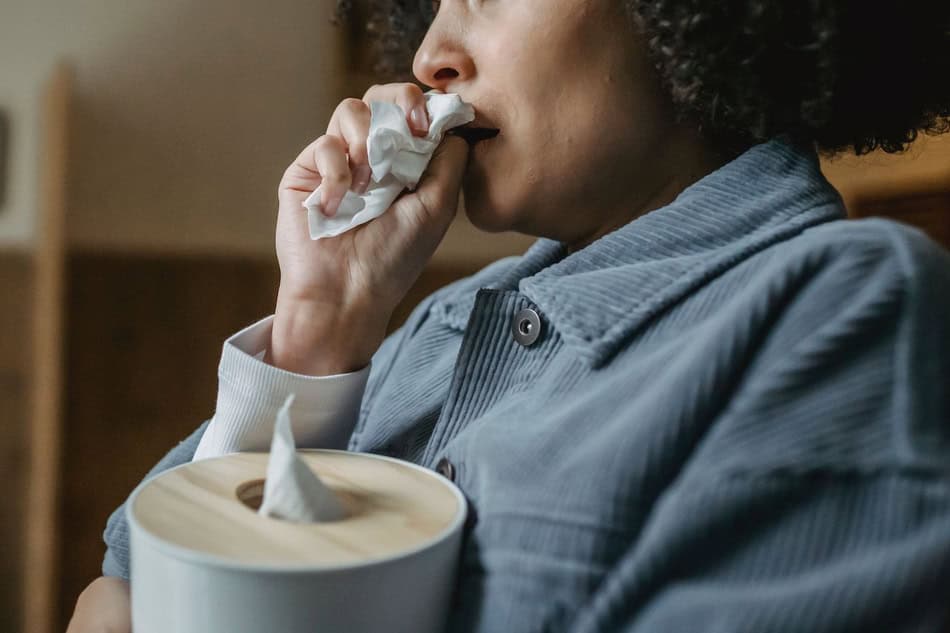
Start by staying home if you can.
Even a mild sore throat or runny nose could be the beginning of a contagious respiratory infection. Avoid close contact with others while you figure out what’s going on, especially if you live with someone who could become seriously ill.
Get tested.
Many pharmacies sell at-home tests for COVID-19, flu, and RSV including combination tests. Testing for these viruses is also available at medical clinics.
If you test positive, stay home until your symptoms have been improving for at least 24 hours and you’ve been fever-free without medication for 24 hours. Take extra precautions around others for the next five days, as recommended by the CDC.
If you test negative but still feel sick, don’t assume you’re in the clear. A negative result doesn’t rule out every infection. If you have symptoms and an at-home COVID-19 antigen test is negative, the FDA recommends testing again 48 hours later.
Contact your doctor early if you’re at higher risk of complications.
This includes older adults, pregnant people, those with weakened immune systems, and people with certain chronic health conditions.
Prescription treatments are available for flu and COVID-19, but they need to be started promptly. Flu antivirals work best within the first two days of symptoms. COVID-19 treatments must generally begin within five to seven days, depending on the medication.
If you’re at higher risk, don’t wait for a positive test before calling your healthcare provider. Treatment may be recommended based on your symptoms and risk factors.
How to Feel Better While You’re Recovering
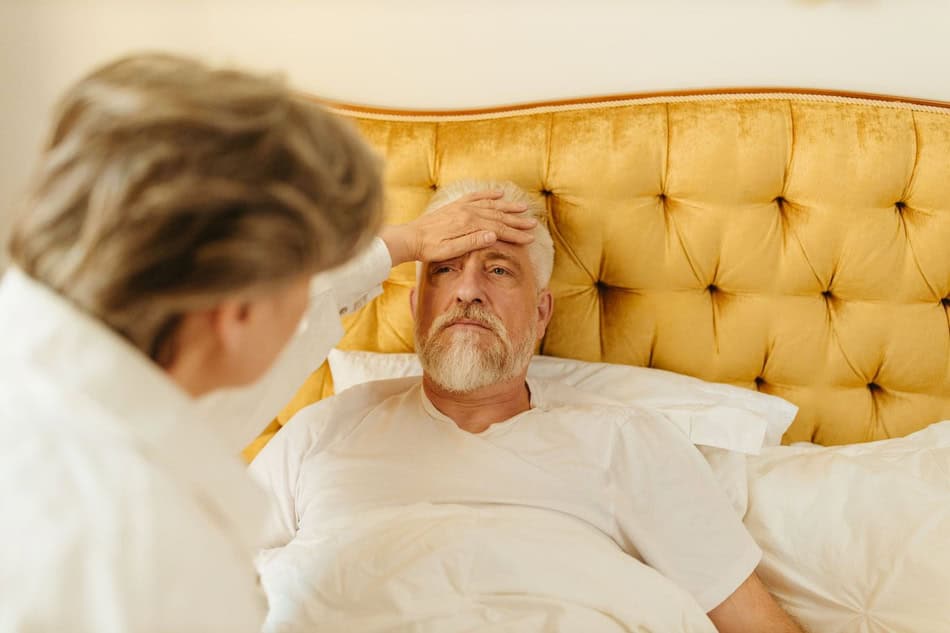
Most mild respiratory infections can be managed at home.
Get plenty of rest and drink enough fluids to stay hydrated. Water, soup, tea, and other drinks are fine choices.
For a stuffy nose, try saline nasal spray or drops. A clean humidifier or steam from a warm shower may also ease congestion. Honey can soothe a cough in adults and children over one year old, but never give honey to a baby younger than 12 months.
Over-the-counter pain relievers or fever reducers may help with headaches, aches, and discomfort. Follow the label and check with a pharmacist if you take other medications, have underlying health conditions, or are treating a child. Avoid doubling up on ingredients found in combination cold medicines.
Antibiotics won’t treat a cold, influenza, COVID-19, or RSV because these illnesses are caused by viruses.
Should You Still Attend a Holiday Gathering?
If you’re sick, the safest choice is to stay home until you’re improving.
The CDC recommends waiting until you’ve gone at least at least 24 hours where:
- Your symptoms are improving overall.
- You haven’t had a fever, without taking fever-reducing medication.
Once you return to normal activities, take additional precautions for the following five days. Wearing a well-fitting mask, improving ventilation, and keeping some distance can help protect others.
Be particularly careful around babies, older relatives, and anyone with a weakened immune system. Feeling better doesn’t necessarily mean you’re no longer contagious.
If you’re scheduled to host, consider asking someone else to take over. If you’re a guest, letting your host know you’re sick is far better than being patient zero for an infection you might pass around the table.
When Should You Seek Medical Attention?
Most people recover from mild respiratory illnesses without complications. However, some symptoms deserve prompt attention.
Seek emergency medical care for difficulty breathing, persistent chest pain or pressure, new confusion, or an inability to stay awake.
Contact a healthcare professional if you’re becoming dehydrated, your fever lasts more than four days, your symptoms persist longer than 10 days without improvement, or you start getting better and then become worse again.
Babies need particular attention. RSV and other respiratory infections can sometimes cause poor feeding, unusual inactivity, or breathing difficulties, even without a fever. Seek prompt medical care for these symptoms.
When in doubt, especially if you’re at increased risk of complications, call your healthcare provider rather than waiting to see how sick you become.

- Maggie Konrad

- Maggie Konrad
- Maggie Konrad
- Maggie Konrad