
Americans Once Celebrated Election Day With Cake. What Happened to That Tradition?

Imagine heading to the polls and finding an enormous, freshly baked cake waiting as part of the day’s festivities. Not a frosted sheet cake with red, white, and blue decorations, but a rich, fragrant creation filled with raisins, spices, and sometimes a splash of brandy.
For generations, election cake was part of the celebration in New England. Election days could bring parades, public gatherings, elaborate meals, and enough cake to feed a crowd.
Most Americans have never heard of this tradition. But with Election Day approaching on November 3, there’s a good reason to dust off its history. In Connecticut, people are still baking election cakes, and this October, they’re holding a competition devoted entirely to them.
What Was Election Cake?
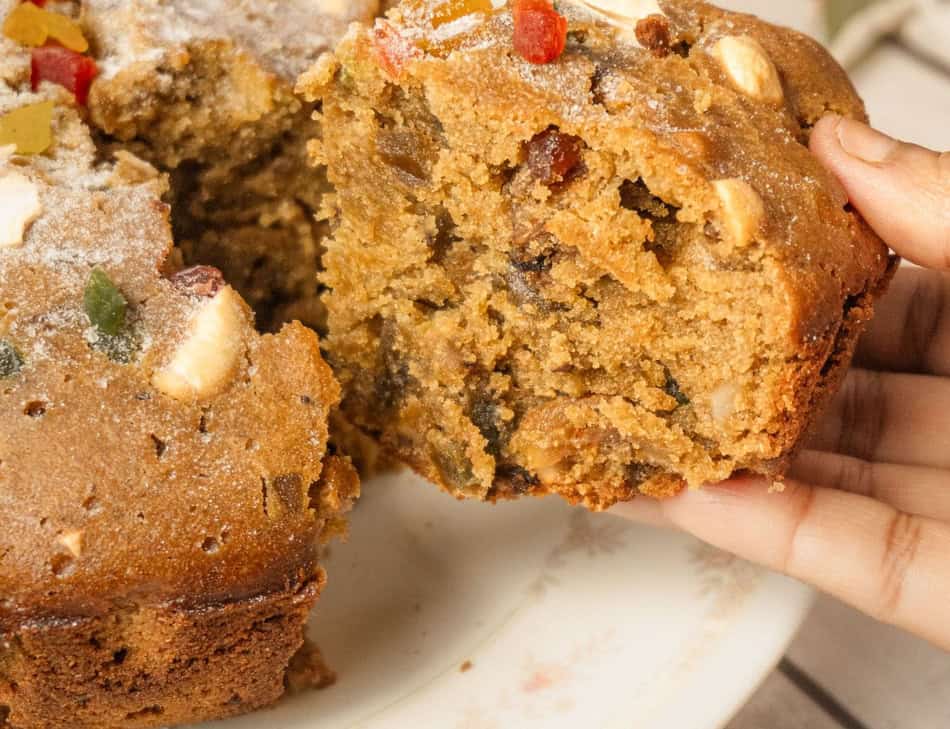
Election cake was a rich, yeast-raised cake traditionally served during elections and other important community gatherings.
It wasn’t quite like the cakes we know today. Think of something between a sweet bread and a fruitcake, generously flavored with spices and dried fruit. Recipes varied considerably, with some calling for currants, raisins, nuts, wine, or brandy.
The tradition grew from earlier English-style celebration cakes brought to New England by colonists.
According to the American Historical Association, these substantial cakes played a role in political celebrations during the colonial era and in the years following American independence.
Election Day was more than a trip to cast a ballot. In some communities, it was a major public occasion, with people traveling considerable distances to participate.
A good meal and a generous slice of cake were part of the attraction.
The Cake Recipe That Called for 30 Quarts of Flour
If you think baking for a holiday gathering is a big undertaking, consider the recipe associated with Amelia Simmons, author of American Cookery, first published in 1796.
Her election cake recipe called for astonishing quantities of ingredients, including 30 quarts of flour, 10 pounds of butter, 14 pounds of sugar, 12 pounds of raisins, and three dozen eggs. Wine, brandy, and spices also went into the mixture.
Those aren’t typos.
The enormous recipe was intended for a gathering, not an ordinary family dessert. Baking enough to serve a crowd was part of the custom.
The Library of Congress preserves Simmons’s groundbreaking cookbook, recognized as the first cookbook written by an American and published in the United States. The election cake recipe appeared in its early editions.
It’s a remarkable glimpse into a time when special-occasion baking could be an undertaking measured in pounds of butter rather than sticks.
Why Was Election Cake So Popular in Connecticut?
Although election cakes appeared elsewhere, they became particularly associated with Hartford, Connecticut, where Election Day festivities were an important part of public life.
The tradition was established by the 18th century and continued into the 19th.
Connecticut Humanities explains that elections in Hartford could bring visitors, public celebrations, and elaborate meals. Coffee, cider, and election cake were familiar parts of the festivities.
The cakes became so closely connected with the city that they were often called Hartford election cakes.
There was another side to the tradition, too.
For much of early American history, voting was restricted largely to men, with eligibility rules varying by place and period. Women who could not vote nevertheless played a substantial role in preparing food for election gatherings.
Baking election cakes gave some women a way to participate in the public celebrations, even while they were excluded from the ballot box.
That doesn’t make the restrictions any less significant, but it reveals how food and civic life were intertwined.
Why Did the Tradition Disappear?
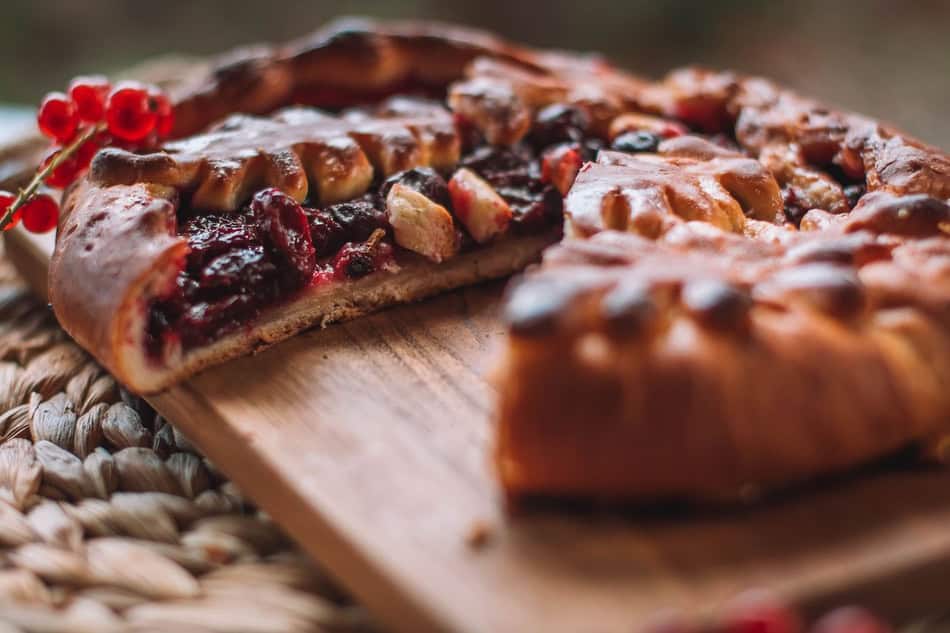
Election cake didn’t vanish overnight.
Recipes continued appearing in American cookbooks throughout the 19th century, but the elaborate celebrations that helped make the cake popular gradually changed.
The large communal cakes of earlier generations became less common, and what had once been a recognizable election custom faded from everyday life.
Today, most Americans associate Election Day with polling places, campaign coverage, and election returns, not a special dessert.
But election cake never disappeared completely. Historic cookbooks, museums, and bakers kept its story alive.
And now it’s finding a new audience.
Election Cake Is Making a Comeback
On October 24, 2026, Connecticut’s Old State House in Hartford is hosting its fifth annual Election Cake Bake Off.
The event invites professional bakers to put their own spin on the old tradition, with a panel of judges selecting a winning cake. Visitors can participate in cake tasting and help celebrate a piece of Connecticut history.
The Old State House’s official announcement describes the event as part of an effort to revive this once-familiar custom.
It’s a fitting place for the tradition to return. Hartford was one of election cake’s best-known historic homes.
Can You Make an Election Cake Today?
Absolutely, and thankfully, you won’t need 30 quarts of flour.
Modern versions of election cake bring the enormous historical recipes down to a manageable size while keeping the ingredients that made them special: dried fruit, warm spices, and yeast-raised dough.
The result is somewhere between a traditional cake and a sweet bread, with rich flavors that feel right at home on a chilly fall afternoon.
If you’re curious to try this forgotten American tradition, we’ve included an old-fashioned election cake recipe below, adapted from a historical version shared by Connecticut’s Hyland House Museum. It’s inspired by Amelia Simmons’s 1796 cookbook, American Cookery, but scaled down for today’s kitchens.
Election cake may never rival pumpkin pie as a holiday favorite, but there’s something appealing about reviving a tradition that once brought entire communities together.
And who knows? A slice of homemade election cake might just become your favorite new Election Day tradition.
Recipe: Old-Fashioned Election Cake
Want to bring back this forgotten Election Day tradition? This fruit-filled, warmly spiced cake is adapted from a historical recipe shared by Connecticut’s Hyland House Museum, based on Amelia Simmons’s American Cookery (1796).
Unlike modern cakes, election cake gets its rise from yeast. The result is a rich, old-fashioned treat with raisins, spices, and a texture closer to a sweet bread than a fluffy layer cake.
Ingredients
- 2 cups whole-wheat flour
- Approximately ½ cup milk
- ¼ ounce (1 packet) active dry yeast
- 1 cup (2 sticks) unsalted butter, softened
- 320 grams honey (approximately ¾ cup plus 2 tablespoons)
- 270 grams raisins, or a mixture of raisins and dried cranberries
- 1 large egg
- 3 tablespoons wine, such as cream sherry
- 1 tablespoon brandy
- 1 tablespoon ground cinnamon
- 2 tablespoons coriander seeds, finely ground
- 1½ teaspoons allspice berries, finely ground
- Chopped walnuts or hazelnuts for topping (optional)
Directions
- Prepare the dough. The evening before baking, combine the flour and milk to make a thick mixture. Cover and refrigerate overnight, about 8 hours.
- Begin the rise. The following day, work the softened butter, honey, and yeast into the flour mixture. Cover and let stand until the mixture becomes slightly lighter, approximately 30 minutes.
- Add the flavorings. Mix in the egg, cinnamon, coriander, allspice, wine, and brandy. If the mixture seems excessively loose, add a little additional flour. Cover and allow another 30–60 minutes for rising.
- Add the fruit. Gently fold in the raisins or dried-fruit mixture. Transfer to a well-greased Bundt pan.
- Bake. Preheat the oven to 350°F. Bake for approximately 80–100 minutes, checking toward the end. A toothpick inserted into the cake should come out without wet batter.
- Cool and serve. Allow the cake to cool before removing it from the pan. If desired, sprinkle with chopped walnuts or hazelnuts.
A Little Election Cake History
The original election cake recipes were intended to feed crowds gathering for civic celebrations. This smaller version keeps many of the traditional ingredients without requiring a bakery-sized batch.
For an authentic touch, serve slices with coffee or tea and tell your guests that they’re enjoying a tradition dating back more than two centuries.
Recipe adapted from the Hyland House Museum’s historical election cake, based on Amelia Simmons’s 1796 cookbook, American Cookery.

- Maggie Konrad

- Maggie Konrad
- Maggie Konrad
- Maggie Konrad