
What to Do This Weekend: Look for Migrating Birds at a Park Near You

A pond, a strip of trees, or a patch of shrubs beside a playground can become a rest stop for birds passing through. Many songbirds travel at night, then feed and rest during the day. Cornell Lab of Ornithology notes that some pause for a few days in local parks and backyards before continuing their journey.
For a weekend outing, pick a nearby park with a mix of trees, shrubs, and open space. You don’t need binoculars or a birding background. Give the walk 20 minutes, slow down, and see who’s moving through.
Find a good place to watch
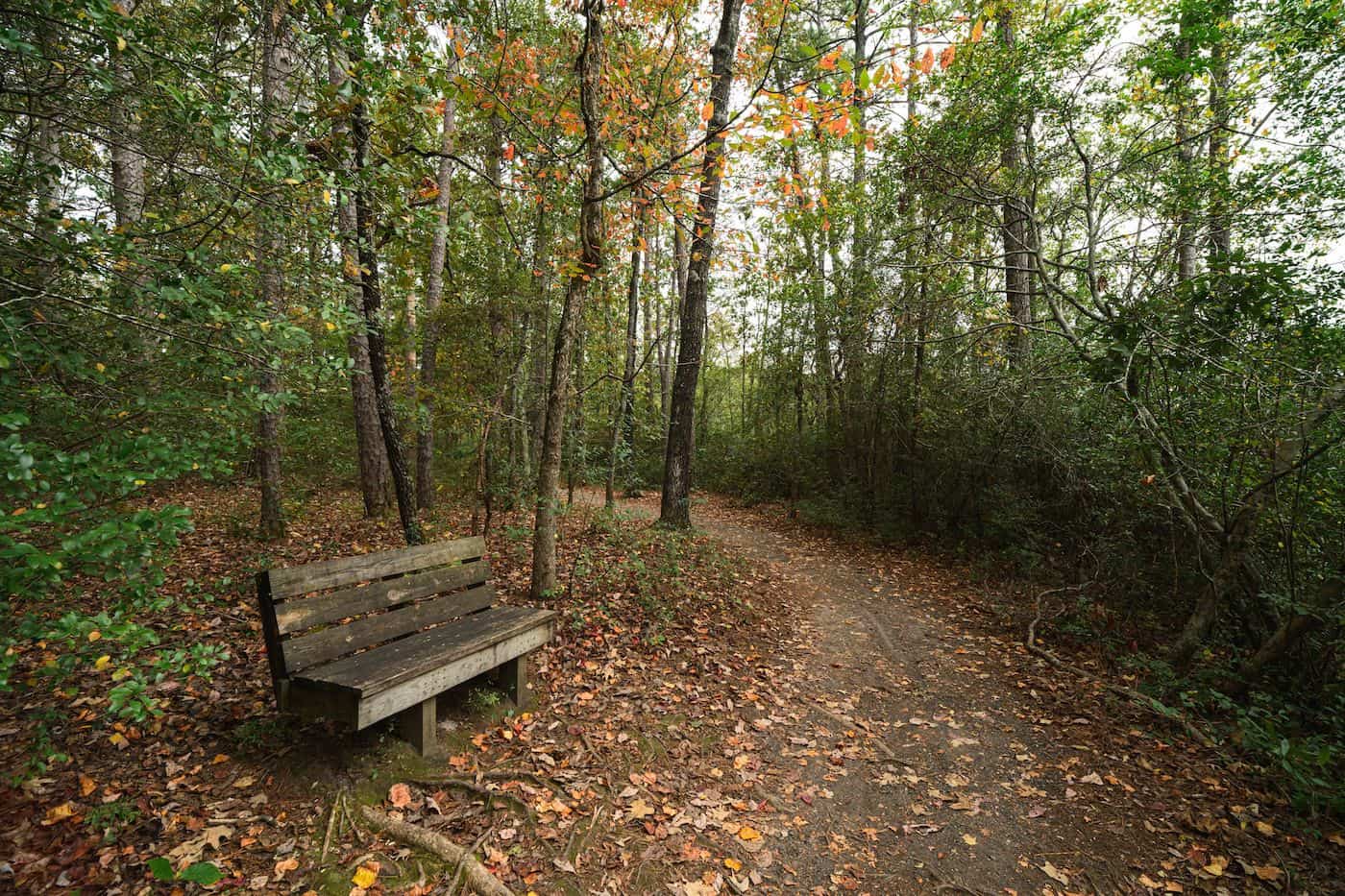
Look where habitats meet: woods beside a field, shrubs near a pond, or a line of trees along a path. Different birds use different parts of the park. You might spot a bird searching for insects in the leaves, another resting in a shrub, and waterbirds on the pond.
A small city green space can be worth a look, too. Migrants don’t need a wilderness trail to stop and feed. Cornell Lab’s guide to finding birds during migration explains why varied vegetation can make a spot more rewarding.
Try this 20-minute bird walk
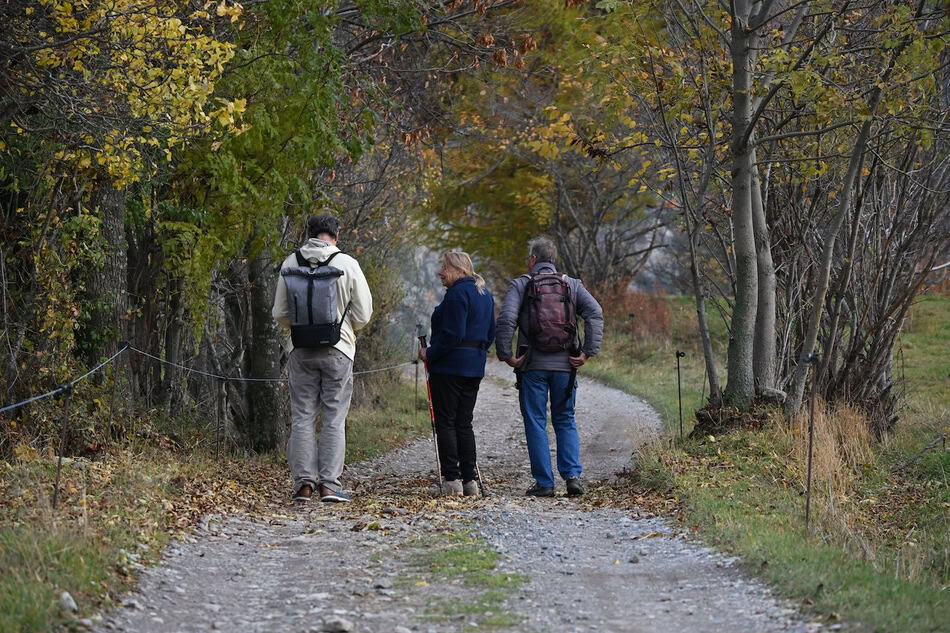
Start near the edge of a wooded area or beside a group of shrubs. Stand still for a few minutes before walking on. Watch for quick movement in the leaves, and listen for calls that may lead you to a bird you can’t see yet.
Try to notice three things: where the bird is, what it’s doing, and how it moves. Is it feeding on the ground, hopping through branches, or resting near the water? You can enjoy the activity without identifying every bird. Binoculars can help, but a notebook or phone is enough to record what you noticed.
See what may be passing through your area
Fall bird migration happens in waves, and the birds differ across regions. In the United States, BirdCast’s migration forecast shows where heavier flights are expected over the Lower 48. It tracks birds in the air, so it can’t tell you exactly what you’ll see at a particular park. For recent sightings in the United States and Canada, check eBird’s hotspot map.
Many migrants spend time on the ground between flights, feeding and resting before moving on. If you’re curious about the night journey, read our guide to fall bird migration after dark and these facts about migratory birds.
Stay on marked paths, keep dogs leashed, and watch from a comfortable distance. Skip recorded bird calls, which can disturb birds and other visitors. A quiet half-hour in a familiar park may be enough to notice travelers you’ve never seen there before.

- Maggie Konrad

- Maggie Konrad
- Maggie Konrad
- Maggie Konrad