Why Some People Can Feel the Coming Rain in Their Bones
Your old knee starts aching even though the sky is still dry. Hours later, the rain arrives. Coincidence? Research suggests some people really may feel atmospheric changes before a storm.

An old knee begins to ache. A wrist you broke years ago suddenly starts throbbing. Then, hours later, the rain arrives. Is “feeling the weather in your bones” just an old saying—or can the human body actually sense an approaching storm?
For generations, people have sworn they can feel rain coming.
Maybe it’s an old knee that suddenly gets stiff. Perhaps it’s the shoulder you injured years ago, or a wrist that hasn’t felt quite the same since you broke it as a teenager.
Then you look outside.
The clouds are gathering.
A few hours later, it rains.
It’s one of those old observations that sounds like classic weather folklore: “I can feel the rain in my bones.”
But modern research suggests there may actually be something to it.
Studies have found associations between barometric pressure, temperature, humidity, and pain in some people, particularly those with arthritis or previous orthopedic injuries. One study involving people recovering from fractures found that lower barometric pressure was associated with greater reported pain.
Even more interesting, the atmospheric changes associated with an approaching storm can begin before the rain does.
So that aching knee might not actually be predicting tomorrow’s weather.
It may be reacting to a change in today’s atmosphere.
Can You Really Feel Rain Coming in Your Bones?
For some people, it appears possible.
The evidence doesn’t suggest that human bones somehow possess a special ability to detect rain. Instead, certain people appear to be sensitive to environmental changes accompanying changing weather.
One of the most important of those is barometric pressure, also called atmospheric pressure.
A 2016 study published in the medical journal Injury examined 2,369 outpatient visits involving patients recovering from surgically treated fractures and fracture complications. Researchers compared patients’ reported pain with temperature, humidity, precipitation, and barometric pressure.
They found that lower barometric pressure was associated with increased pain across the patient visits. The relationship was also observed among patients at their one-year follow-up.
That’s remarkably close to what people have been saying for generations.
“Rain’s coming. I can feel it in my bones.”
What Is Barometric Pressure?
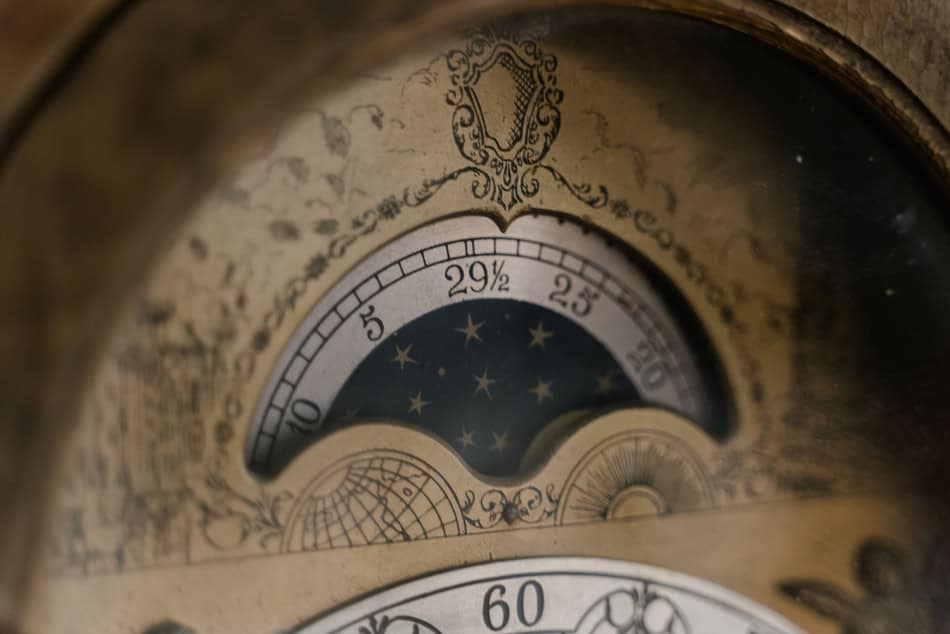
The atmosphere above us has weight.
All of that air produces pressure against Earth’s surface and everything on it—including your body. Meteorologists call this atmospheric pressure or barometric pressure.
You’ve probably heard a weather forecaster talk about a high-pressure system or low-pressure system.
Generally speaking, areas of high atmospheric pressure tend to favor more settled conditions, while low-pressure systems are often associated with clouds, precipitation, and unsettled weather.
That’s why watching a barometer was once such an important part of predicting the weather.
When the barometer began falling, people knew that changing weather might be on the way.
And the Farmers’ Almanac tradition of watching nature for clues to approaching rain continues today. Our guide to Signs of Rain in Nature: 20+ Tells From Plants, Animals, and Sky includes everything from changing clouds and animal behavior to aching joints and old injuries.
Why Can Your Joints Hurt Before It Actually Rains?
Here’s where the old saying becomes especially interesting.
People don’t always claim:
“My knee hurts because it’s raining.”
Quite often they say:
“My knee hurts, so it’s going to rain.”
There is a meteorological reason that could happen.
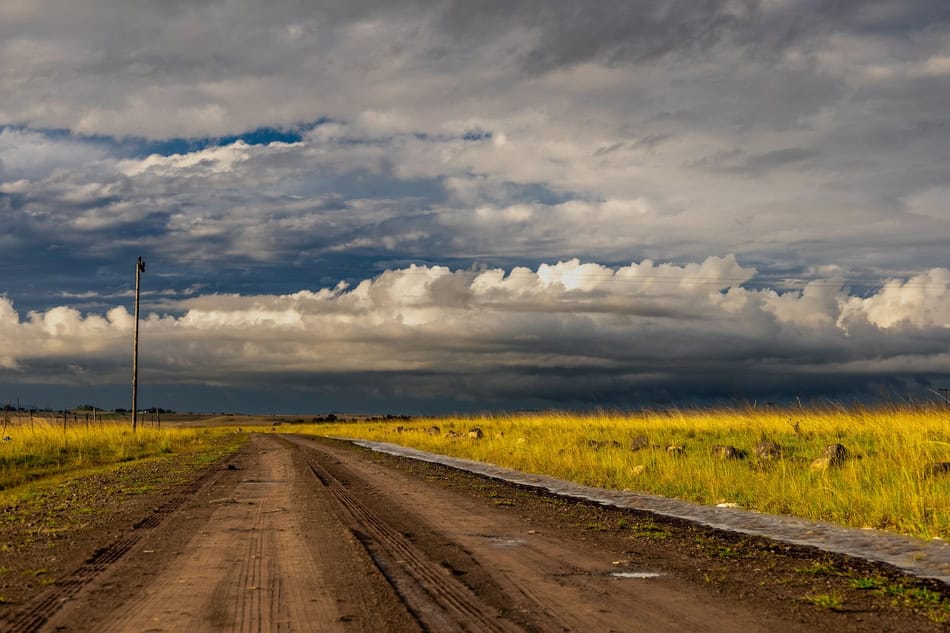
The pressure, temperature, humidity, wind, and other atmospheric conditions associated with an approaching weather system can begin changing well before precipitation reaches your location.
Suppose a low-pressure system is approaching.
It may still be dry outside. The storm itself could be many miles away.
But atmospheric pressure where you’re standing may already be changing.
If your body is especially sensitive to those changes, discomfort could theoretically begin before the first raindrop falls.
You’re not predicting the future.
You’re responding to the leading edge of a weather change that’s already underway.
Why Would Falling Barometric Pressure Make an Old Injury Hurt?
Researchers still don’t have a complete answer.
Although several studies have identified associations between weather conditions and pain, the precise biological mechanism isn’t firmly established.
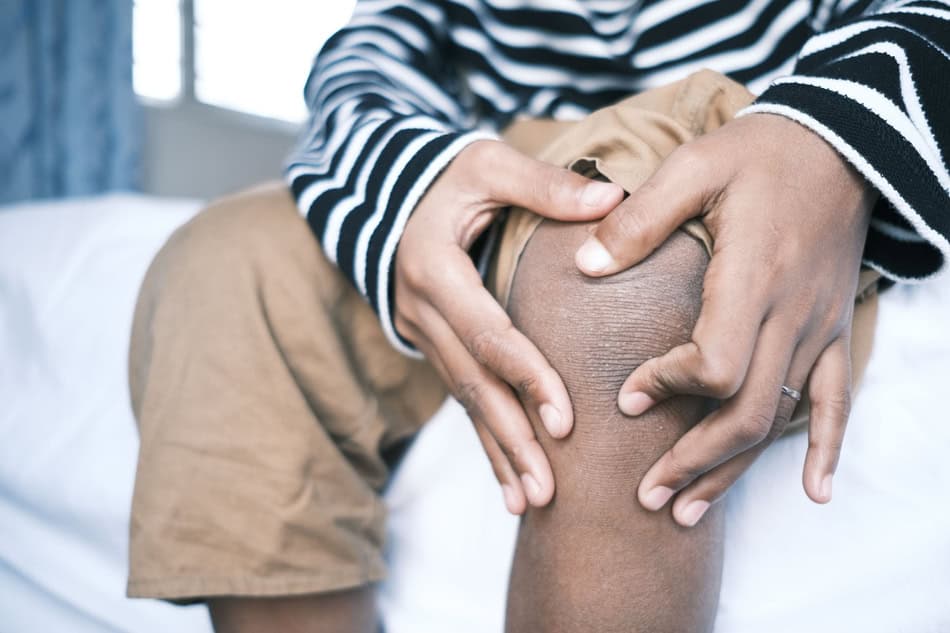
One commonly proposed explanation involves the tissues surrounding joints.
When atmospheric pressure decreases, the amount of external pressure being exerted on the body also changes slightly. Researchers have proposed that this could affect the tissues around a joint enough to influence discomfort in particularly sensitive people.
The changes are tiny.
Your knee isn’t visibly swelling every time the barometer drops.
But an arthritic or previously injured area can contain damaged cartilage, scar tissue, irritated nerves, altered joint surfaces, and other structures that may behave differently from completely healthy tissue.
Pain itself is also extraordinarily complex.
That’s one reason two people can experience exactly the same weather and have entirely different reactions.
What About Previously Broken Bones?
This is where the phrase “feel it in my bones” becomes slightly misleading.
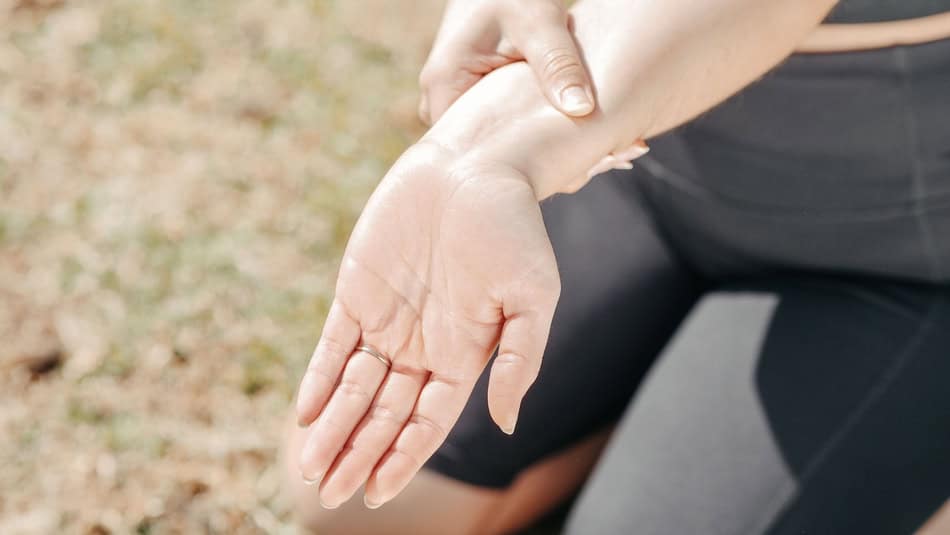
If an old broken wrist aches before a storm, the bone itself isn’t necessarily the structure responding.
A serious fracture can also affect the:
- surrounding muscles
- tendons
- ligaments
- cartilage
- nerves
- joint capsule
- scar tissue
- nearby soft tissue
Some injuries also eventually lead to post-traumatic arthritis, particularly when a fracture damages a joint.
So an ache at the site of an old broken bone may actually involve a combination of structures surrounding the original injury.
Still, the association with fractures isn’t merely anecdotal.
The orthopedic trauma study mentioned above looked at patients recovering from tibial plateau fractures, distal radius fractures, and chronic fracture nonunions. Researchers found a statistically significant association between low barometric pressure and increased reported pain.
The authors concluded that patients’ reports of weather influencing their pain after orthopedic trauma had validity, while also noting that temperature and humidity may influence pain as recovery progresses.
What About Arthritis?
Arthritis may be one of the most commonly reported examples of weather-sensitive pain.
A large 2023 systematic review and meta-analysis examined 14 observational studies looking at weather and osteoarthritis pain.
The researchers found that weather factors were associated with osteoarthritis pain overall. In their quantitative analyses, barometric pressure, relative humidity, and temperature showed associations with pain.
An important point, however, is that the research isn’t perfectly consistent.
Different studies have found different relationships between weather and pain, and not everyone with arthritis experiences weather-related symptoms.
That’s why it’s more accurate to say:
Weather appears to influence pain in some people rather than saying weather always causes joint pain.
Is Rain Actually the Cause?
Probably not—at least not in the simple sense.
A raindrop hitting your roof obviously isn’t making your knee hurt.
The more interesting possibilities are the atmospheric conditions accompanying the rain.
When a weather system approaches, several things may change at approximately the same time:
| Weather Factor | What May Happen |
|---|---|
| Barometric pressure | Often changes as weather systems approach |
| Humidity | May rise before or during wet weather |
| Temperature | Can rise or fall as fronts move through |
| Wind | Often changes speed or direction |
| Precipitation | Arrives after other atmospheric changes may already be underway |
That makes studying weather-related pain difficult.
If someone’s knee hurts before a rainy cold front, was it the decreasing pressure? Increasing humidity? Falling temperature? A combination?
Researchers are still trying to sort that out.
Why Doesn’t Everyone Feel It?
That’s another important clue.
Some people are adamant that they can tell when the weather is changing.
Others with nearly identical injuries notice absolutely nothing.
Researchers don’t yet know precisely why some people seem more weather-sensitive than others.
Differences could potentially involve the type and severity of an injury, arthritis, nerves, scar tissue, individual pain sensitivity, age, activity levels, or other factors.
And there’s another complication: pain fluctuates naturally.
Sleep, exercise, stress, inflammation, repetitive activity, and even how much attention we pay to an aching joint can influence how much something hurts on a particular day.
So not every ache that happens before a thunderstorm was necessarily caused by the weather.
What About Metal Plates and Screws?
This is another common belief.
People with orthopedic plates, screws, pins, rods, and other implants sometimes say they can feel cold or stormy weather around the site of their surgery.
That doesn’t necessarily mean the metal itself has turned into a miniature barometer.
The area containing the hardware was also the site of a significant injury and surgery. Nearby nerves, muscles, joints, and scar tissue may remain sensitive.
Cold temperatures may also contribute to feelings of stiffness.
So someone can genuinely experience discomfort near orthopedic hardware during changing weather without the implant itself literally detecting an approaching storm.

Cold Weather and Rainy Weather Aren’t Exactly the Same Thing
People often combine the two experiences:
“Cold and damp weather makes my joints hurt.”
But cold temperatures can influence how the body feels independently of falling atmospheric pressure.
People often move less in cold weather. Muscles can feel tighter. Joints may feel stiffer after inactivity.
That’s why an arthritic knee might bother someone on a bitterly cold, perfectly sunny January morning when there isn’t a rainstorm anywhere nearby.
Weather-related discomfort may have several overlapping triggers rather than one universal explanation.
Humans Have Been Watching for Signs of Rain for Centuries
Long before weather satellites, radar, or smartphone forecasts, knowing when rain was coming mattered enormously.
Farmers needed to know when to bring in hay.
Fishermen needed to recognize an approaching storm.
Travelers watched the sky.
People paid attention to animals, plants, wind, clouds—and even their own bodies.
That’s how countless pieces of traditional weather lore developed.
Consider the old saying:
“When swallows fly low, rain is on the way.”
Farmers’ Almanac recently explored the science behind why swallows flying low can be associated with approaching rain. Changes in atmospheric conditions can influence the insects birds feed upon, potentially changing where those birds hunt.
It’s another example of an old observation that may contain a kernel of real atmospheric science.
Explore more traditional signs in our guide to how plants, animals, the sky—and even the human body—can signal approaching rain.
Can Your Knee Replace the Weather Forecast?
Don’t throw away your weather app just yet.
Even if you’re genuinely weather-sensitive, an aching joint isn’t a precision meteorological instrument.
Pain can change for countless reasons.
And atmospheric pressure changes don’t always result in rain at your particular location.
Think of it more like traditional weather lore: one clue among many.
A halo around the Moon doesn’t guarantee rain.
Low-flying swallows don’t guarantee rain.
And your aching knee doesn’t guarantee you’ll need an umbrella.
But sometimes nature gives us clues before the weather arrives.
Try This Experiment: Is Your Pain Really Weather-Related?
If you’ve always suspected that your knee, shoulder, wrist, or another old injury reacts to approaching weather, there’s a simple way to investigate it yourself.
Keep a weather-and-pain journal for a month or two.
Each day, record:
- Your pain level on a scale from 0 to 10.
- Where you feel it.
- Whether the feeling is aching, stiff, sharp, or throbbing.
- The weather conditions.
- Barometric pressure, if available.
- Temperature and humidity.
- Your physical activity that day.
- Anything unusual, such as poor sleep or strenuous exercise.
Try not to draw conclusions after only a few days.
After several weeks, look back.
Perhaps your old knee consistently bothers you during falling pressure.
Maybe temperature turns out to matter more than rain.
Or perhaps there’s no pattern at all.
That’s useful information, too.
When You Shouldn’t Blame the Weather
There’s an important difference between a familiar ache in an old injury and new or unexplained pain.
Don’t automatically blame weather for pain that is new, severe, rapidly worsening, or substantially different from what you normally experience.
Medical evaluation may be appropriate when pain is accompanied by symptoms such as significant swelling, warmth, redness, fever, weakness, numbness, difficulty bearing weight, loss of normal movement, or a recent injury.
Weather might influence the way an existing condition feels, but it shouldn’t be used to dismiss symptoms that otherwise deserve medical attention.
So, Can You Really Feel Rain Coming in Your Bones?
The old saying appears to contain at least a grain of truth.
Science hasn’t established that people with broken bones can reliably predict the weather.
But research has found associations between weather conditions and pain, including evidence connecting lower barometric pressure with increased pain following orthopedic trauma.
A systematic review has also found evidence of associations between weather factors and osteoarthritis pain.
Perhaps most importantly, atmospheric conditions can start changing before the rain reaches you.
So the next time someone rubs an old knee, looks toward the horizon, and says:
“Rain’s coming. I can feel it in my bones.”
Don’t be too quick to laugh.
You might want to check the barometer.
This article is provided for general informational purposes and should not be considered medical advice. Consult a qualified healthcare professional about persistent, severe, or unexplained pain.


This article was published by the Staff at FarmersAlmanac.com. Any questions? Contact us at [email protected].
- Farmers' Almanac Staff

- Farmers' Almanac Staff

- Farmers' Almanac Staff

- Farmers' Almanac Staff