Fireplace Tips: 10 Things You Should Never Burn
Not all wood is created equal. Before you start a fire with some wood scraps or old bills, think again. Here's a list of things that should not be burned in your fireplace or woodstove.
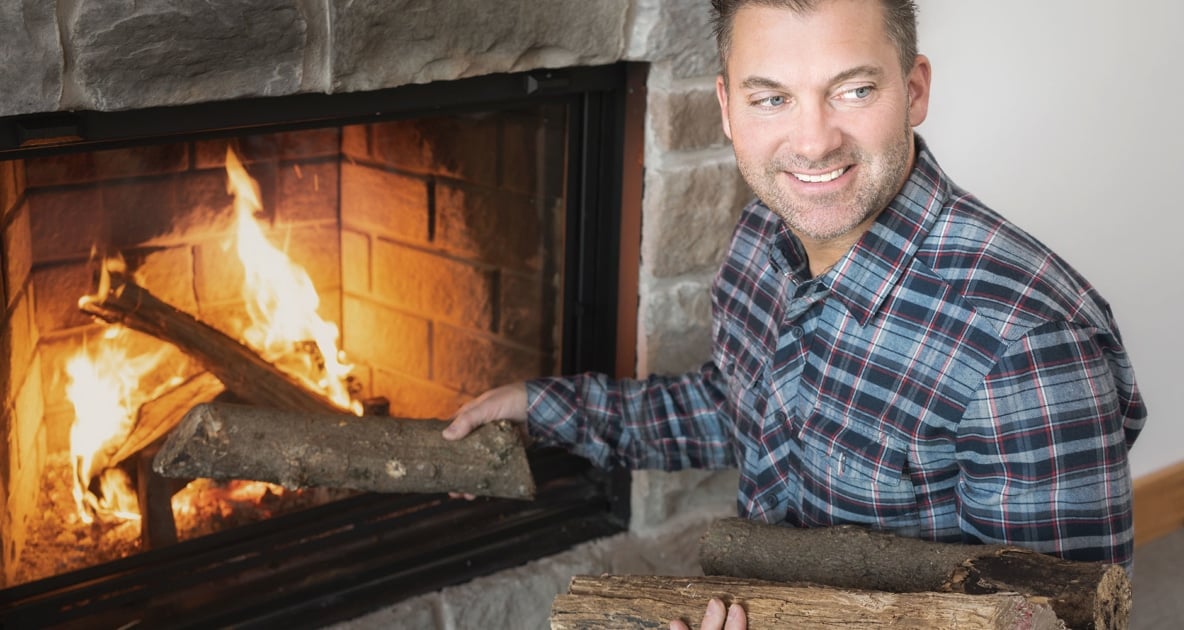
Quick Reference: Fireplace Tips for Safer Fires
- Burn only: seasoned, untreated, natural firewood that is gray, cracked, and dry.
- Never burn: treated or painted wood, plywood and particleboard, green or wet wood, pallets, driftwood, glossy paper, plastics, or accelerants.
- Seasoning takes: a year or more, depending on the wood and how you store it.
- Watch for creosote: wet, green, and resinous wood build it up, and it is a major cause of chimney fires.
- Start a fire with: pine kindling and tightly rolled black-and-white newspaper, then add oak, apple, or locust.
The mercury drops a little more each evening, and a fire in the fireplace starts to sound just about perfect. Then your eye lands on the box of old documents you meant to shred, and the broken dresser bound for the dump, and you wonder whether either could help get the fire going. Not so fast. Since a fireplace opens into your home, and even a woodstove sends smoke into the air outside, what you burn matters for you, your neighbors, and the air everyone breathes. These fireplace tips cover the ten things you should never put on the fire, and what to burn instead.
Why These Fireplace Tips Matter
A fireplace or woodstove is only as clean and safe as the fuel you feed it. The wrong wood and paper products release toxins into your living room and out the chimney, and damp or resinous fuel coats the flue with creosote, a flammable tar that is a leading cause of chimney fires. If you care about the purity of the air you breathe, a short list of what to skip will steer you toward the right choices every time you reach for the kindling. The U.S. Environmental Protection Agency’s Burn Wise guidance on wood smoke and your health explains why dry, seasoned firewood burns cleaner and puts far fewer fine particles into the air.
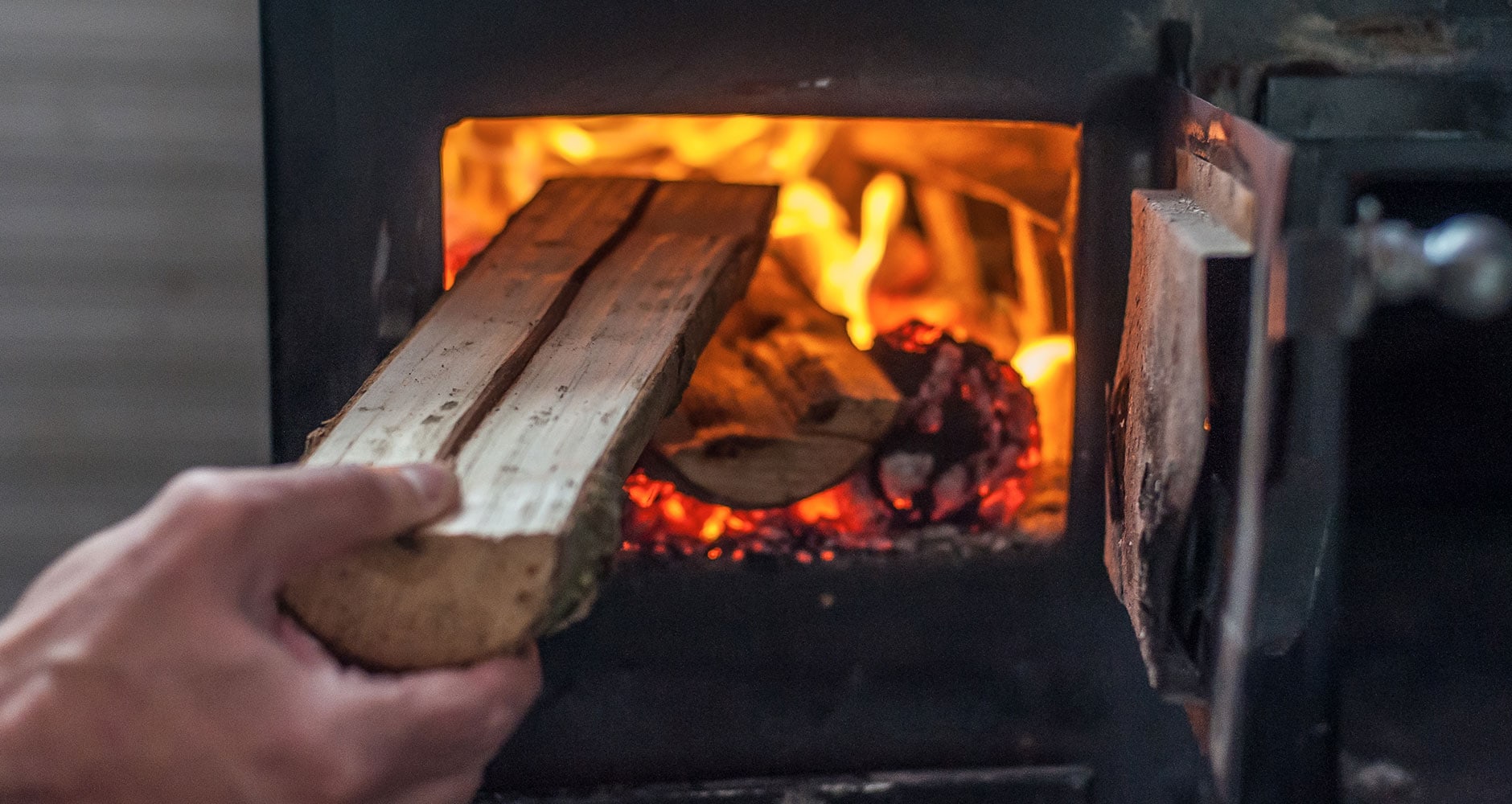
10 Things You Should Never Burn In Your Fireplace or Woodstove
Not all wood is created equal, and some of what ends up in the burn pile does not belong in a fire at all. Here is the list, item by item.
1. Treated or Painted Wood
Pressure-treated wood, the kind commonly used in decks and outdoor furniture, was once infused with arsenic to fend off moisture and insects. Burn it and the smoke carries those toxins right back to you. Painted or stained wood holds other chemicals that release their own toxins into the air when burned. Stick with untreated, natural wood for your fireplace. If you are not sure what you have, here is how to tell if wood is pressure treated.
2. Manufactured Wood (Particle Board, Plywood)
Manufactured wood, also called composite wood, man-made wood, or manufactured board, covers a wide range of products made by binding small pieces, strands, or particles of wood together with adhesives or fixatives. The family includes plywood, particleboard, fiberboard, oriented strand board (OSB), and others. The adhesives that hold these boards together turn toxic when burned, so keep them out of the firebox.
3. Unseasoned Wood
Properly seasoned firewood holds little to no moisture, and that drying process takes a year or more depending on the type of wood and how you store it. So if you have just hauled freshly cut timber back from the woodlot, resist the urge to burn it now. Green wood burns slowly, throws off a lot of smoke, and builds creosote in your chimney, which is highly flammable and a major cause of chimney fires. You can spot seasoned wood by sight: properly dried wood is gray in color, cracked or checked, with loose or detached bark. If you cut your own, our guide to the best time to split wood will get the drying clock started sooner.
4. Resinous Wood, Like Christmas Trees
Evergreens like pine, spruce, and cedar burn hot and fast because of the resin they hold. Burn too much of it, though, and you raise the creosote level in your chimney. The resin also pops and throws embers from the fire, which can burn anyone standing on the hearth. Start your fire with a few sticks of pine kindling to get it going, then add a slower-burning wood like oak, apple, or locust.

5. Wet Firewood
Rain-soaked firewood, or wood that has sat under a few inches of snow, will not really burn. It smolders and builds creosote instead. Keep your seasoned wood under cover so it is dry the day you need it.
6. Wood Pallets
Whether you mean to upcycle a pallet into a coffee table or burn it in the fireplace, check it over for a manufacturer’s stamp first. That stamp tells you a lot: the pallet’s country of origin, whether it was treated with the pesticide methyl bromide, and the wood-drying method used. You definitely do not want to burn a chemically treated pallet, and if one has no stamp at all, better to pass it up too.
7. Driftwood
Driftwood is certainly dry and seasoned, but it also carries metal salts it soaked up while adrift in ocean water. Burning it may produce a pretty colored flame, but the fumes are toxic. Leave the beach finds on the mantel as decoration.
8. Some Paper Products
Corrugated cardboard burns great, but it also holds adhesives that can be toxic. Heavily inked papers like magazines release toxic fumes too. Yes, most publications now print with soy ink, which does not contain the VOCs that petroleum-based inks do, but they still carry the same pigments and other additives. Magazines, direct-mail fliers, coupons, and gift wrap also have a coating that does not burn clean. If you want paper to help light your kindling, choose black-and-white newspaper, rolled tightly so it does not send flying bits up the chimney.
9. Plastics
Plastics are one of the most dangerous things you can burn. They release harmful byproducts into the environment, including carbon monoxide, and those byproducts are harmful to your health. Dioxin, released when you burn plastics like PVC, is not only carcinogenic but can cause headaches, weakness, fatigue, and respiratory system damage. Recycle any plastics you can. And that box of documents and mail you saved to shred? Look it over. You do not want envelopes with the little plastic window covers slipping in there.
10. Fire Accelerants
Never use accelerants such as gasoline or lighter fluid to get your fire going. They can cause dangerous flare-ups and heat your fireplace and chimney to temperatures that are too high and unsafe. A little patience with kindling does the job without the risk.
What to Burn Instead
The safe list is shorter and simpler than the one above. Burn well-seasoned, untreated, natural firewood, the kind that has dried a year or more and looks gray and cracked with loose bark. Hardwoods such as oak, apple, hickory, maple, and locust give you a long, steady, hot burn and good coals. Use a handful of pine kindling and tightly rolled black-and-white newspaper to get the flames going, then build up to the slower-burning hardwood. Choosing the right fuel also stretches your dollars through the cold months, the same way our tips to lower your heating bill do, and while you are buttoning up the house for the season, our checklist for how to winterize outdoor power equipment is worth a look too.
Keep Your Chimney and Flue Clean
Even the right wood leaves some residue behind, so the second half of safe burning happens in the chimney. Creosote builds up over a season, and because it is highly flammable it is the main cause of chimney fires. Burning dry, seasoned wood at a good hot temperature lays down far less of it than smoldering green or wet wood does. Have the chimney inspected and swept before the heating season, and watch the long-range outlook: if the forecast calls for an early or hard Indian winter, schedule the chimney cleaning and the firewood split sooner than you normally would. The EPA’s Burn Wise program notes that an efficient, clean-burning fire is the best protection for both your lungs and your flue.

Fireplace Tips: Frequently Asked Questions
What kind of wood is safe to burn in a fireplace?
Burn well-seasoned, untreated, natural firewood that has dried for a year or more. Properly dried wood is gray in color, cracked or checked, with loose or detached bark. Hardwoods like oak, apple, hickory, maple, and locust give a long, steady, hot burn, while a little pine kindling helps get the fire started.
Why should you not burn treated, painted, or manufactured wood?
Pressure-treated wood was once infused with arsenic, painted and stained wood carry other chemicals, and manufactured boards like plywood, particleboard, fiberboard, and OSB are held together with adhesives. All of them release toxins into your home and the air when burned, so stick with untreated, natural wood instead.
How long does it take to season firewood?
Seasoning firewood takes a year or more, depending on the type of wood and how it is stored. Seasoned wood holds little to no moisture and looks gray and cracked with loose bark. Freshly cut green wood burns slowly, smokes heavily, and builds creosote in the chimney, so it should not be burned until it has dried.
What is creosote, and why is it dangerous?
Creosote is a flammable tar that builds up inside the chimney when you burn green, wet, or resinous wood that smolders rather than burns hot and clean. Because it is highly flammable, creosote is a major cause of chimney fires. Burning dry, seasoned wood and having the chimney swept each season keeps the buildup down.
Is it safe to burn cardboard, magazines, or junk mail in the fireplace?
No. Corrugated cardboard contains adhesives that can be toxic, and magazines, fliers, coupons, and gift wrap carry inks, pigments, and coatings that do not burn clean. Even soy-ink publications still hold the same pigments and additives. To help light kindling, use tightly rolled black-and-white newspaper instead.
Can you use gasoline or lighter fluid to start a fire?
Never. Accelerants such as gasoline or lighter fluid can cause dangerous flare-ups and heat the fireplace and chimney to unsafe temperatures. Start your fire with pine kindling and tightly rolled black-and-white newspaper, then add a slower-burning hardwood like oak, apple, or locust.


Carol J. Alexander
Carol J. Alexander is a Virginia writer specializing in sustainable/green living, home remodeling, and lifestyle topics. She has written for over 100 national, regional, and local print publications, as well as online. She is the author of Homestead Cooking with Carol: Bountiful Make-Ahead Meals, available on Amazon Kindle and in paperback.
- Carol J. Alexander

- Carol J. Alexander
- Carol J. Alexander