

What Is Indian Winter? A Spring Cold Snap Explained
Is Mother Nature "fooling" us this spring? When will April get warmer?
Quick Reference
- What it is: An “Indian Winter” is an unseasonably chilly stretch of weather during spring, the opposite of an Indian Summer in autumn.
- When it happens: Most often in April, when many readers expect spring warmth and instead get late-season cold snaps.
- Where you see it: The eastern and central United States and most of southern Canada, where polar air masses still push south after the calendar turns to spring.
- Why it happens: The polar jet stream is still active in early to mid spring. A wobble pulls cold air south long after the equinox.
- Best companion read: Almanac Long-Range Forecast and spring weather lore.
In many areas of the country, cool to downright cold weather has been the norm during certain spring stretches over the past two decades. Where is the warmer weather? When will spring really start? Is this what you would call an “Indian Winter?”
“Indian summer” is a term used to describe an unseasonably warm and sunny patch of weather during autumn when temperatures should have cooled down. Could it be that the same idea works in reverse, an “Indian Winter,” a period of unseasonably chilly weather during spring? Maybe. The label has been used in farm households for decades, and the pattern is real, even if the term is informal.

When the Almanac Has Called It
In the 2009 Farmers’ Almanac, we said: “Spring will be late. Winter conditions will hang on in many locations through April.” Sometimes we hate being so accurate. According to NOAA, April 2008 was the coolest April in 11 years for the lower 48 United States and the lowest in 25% of all Aprils assessed on records going back to 1895. The pattern has shown up in similar form in 2014, 2018, and again in the early 2020s.
The Almanac’s longtime forecaster persona, Caleb Weatherbee, summed up that 2009 stretch this way: “You might have to wait until May for a significant warm-up nationwide. Over the next couple of weeks, chillier-than-normal conditions will be in evidence, especially over the western and southern US. Only those folks near the Canadian/US border might experience something akin to slightly milder than normal conditions.” The phrasing still reads as a useful description of how a typical Indian Winter unfolds.
Is It Unusual?
April is a finicky month. The sun is stronger, the birds are chirping, and people in the northern areas are ready to kiss their winter jackets and gloves good bye. Records show April can be a crazy, “foolish” month. Snow on the ground in May. Frost on the deck after Mother’s Day. Cold rain at a graduation. None of it is rare across the upper third of the United States and most of Canada.
What Causes an Indian Winter?
The polar jet stream is still active in March, April, and into May. When the jet wobbles south, cold Canadian or arctic air pushes deep into the central and eastern United States. The National Weather Service JetStream guide walks through the same physics. Spring transition is exactly when the contrast between cold polar air and warm tropical air is largest, which is why mid-spring cold snaps are common and often dramatic.
Indian Winter Across the United States and Canada
| Region | Typical Indian Winter shape | What to plan for |
|---|---|---|
| Northeast (US) | Late April nor’easter, early May frost | Cover tomatoes; expect a snow shower above 1,500 feet |
| Midwest + Great Lakes | April lake-effect snow, May polar plunge | Hold off planting until the dogwoods bloom |
| South (US) | Late freeze in early April, frost in the upper South | Protect peach blossoms; check the strawberry patch |
| Mountain West | Late snow at altitude, frost in valleys | Delay alpine starts; row cover on the garden |
| Pacific Northwest | Long cool wet stretch, late June warm-up | Plant cool-season crops, defer warm-season starts |
| Southern Canada | Late thaw, frost into late May | Snow tires on through April in many provinces |
How to Plan Around an Indian Winter
- Check the long-range forecast. Pair the Almanac long-range outlook with your zip code’s average frost dates.
- Wait for the bloom signals. Dogwoods blooming, locust flowering, and blackberry canes all mark the transition out of late-spring frost danger in much of the East.
- Have row cover ready. One sheet over a young tomato or pepper buys you four to six degrees of frost protection on a clear cold night.
- Keep one warm jacket out. Indian Winter rarely lasts more than a week, but it shows up almost every year. Do not pack the wool and the down until Memorial Day.
- Plan winter chores around it. If the long-range outlook calls for an Indian Winter, schedule the late-season firewood split, the chimney clean, and the furnace tune-up earlier than you would normally.

Frequently Asked Questions
What is an Indian Winter?
An Indian Winter is an informal name for a spell of unseasonably chilly weather during spring, the opposite of an Indian Summer in autumn. The pattern shows up most years across the eastern and central United States and most of Canada.
When is Indian Winter most likely?
April is the most common month, with notable cold snaps also in late March and early May. The polar jet stream remains active through spring, which is why late cold air masses still push south.
How is it different from Dogwood Winter or Blackberry Winter?
Dogwood Winter and Blackberry Winter are specific named cold snaps tied to the bloom of those trees and shrubs. Indian Winter is a broader umbrella term for any unseasonably cold spring stretch, named or not.
What does Indian Winter mean for my garden?
It means waiting on warm-season crops. Cool-season crops like peas, lettuce, and brassicas can go in early. Tomatoes, peppers, beans, and squash should wait until the typical spring frost has passed in your zone, which the Almanac frost-date map can confirm.
How accurate is an Indian Winter forecast?
The Almanac’s long-range forecast pulls roughly 85% reader-reported accuracy across decades. The Climate Prediction Center publishes its own monthly outlooks. Pair both for the best read on whether the spring you are in is shaping into an Indian Winter pattern.
Is the term “Indian Winter” widely used?
It is informal, less established than Indian Summer, but used regularly in farm households and in the Almanac. The pattern it describes is widely recognized across modern climatology, even when the popular term is not.
Will an Indian Winter delay my last frost date?
Often. A persistent Indian Winter pushes the last frost a week or two later than the long-term average. Use a single-year frost map for context, but plan with the published average and tilt later if the long-range outlook calls for cold.
Tell Us
Have you lived through an Indian Winter where you live? Tell us about the year, the late frost date, and how you knew the cold had really broken when it finally did.


This article was published by the Staff at FarmersAlmanac.com. Any questions? Contact us at [email protected].
- Farmers' Almanac Staff

- Farmers' Almanac Staff

- Farmers' Almanac Staff

- Farmers' Almanac Staff
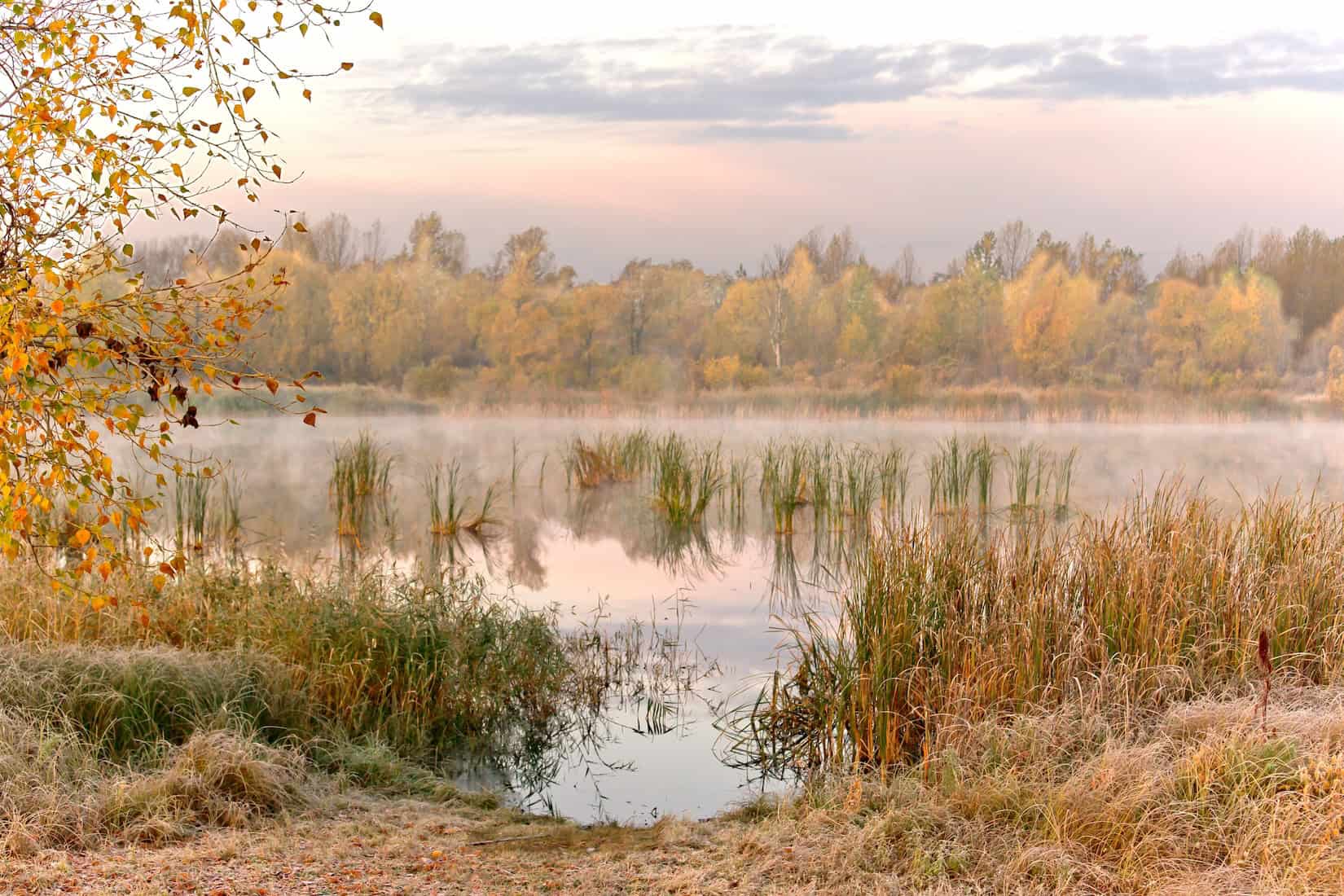

An unseasonably cold spell in the spring is sometimes called a blackberry winter, perhaps because it freezes their blossoms.