It’s Not Too Late! Vegetables & Flowers You Can Still Plant in Late August

Think your garden season is winding down? Think again. Late August can be the start of a surprisingly productive second season—especially for crisp greens, quick-growing root vegetables, hardy brassicas, and cool-weather flowers.
The tomatoes may be slowing down and the days are getting noticeably shorter, but don’t put away those seed packets yet.
For much of the country, late August is prime time to plant vegetables for a fall harvest. Warm soil helps seeds germinate quickly, while the cooler nights ahead are exactly what many leafy greens and root crops have been waiting for.
The secret? Plant fast, plant smart, and know your first frost date.
Quick Reference: What To Plant in Late August
Direct sow now:
- Radishes
- Lettuce
- Arugula
- Spinach
- Mustard greens
- Turnips
- Beets
- Bok choy
- Kale
Look for transplants:
- Broccoli
- Cabbage
- Cauliflower
- Kale
- Collards
For fall color:
- Pansies
- Violas
- Snapdragons
- Calendula
- Sweet alyssum
- Ornamental kale and cabbage
Before planting anything, check your local average first frost date using the Farmers’ Almanac Frost Date guide. Find Your Average First Frost Date
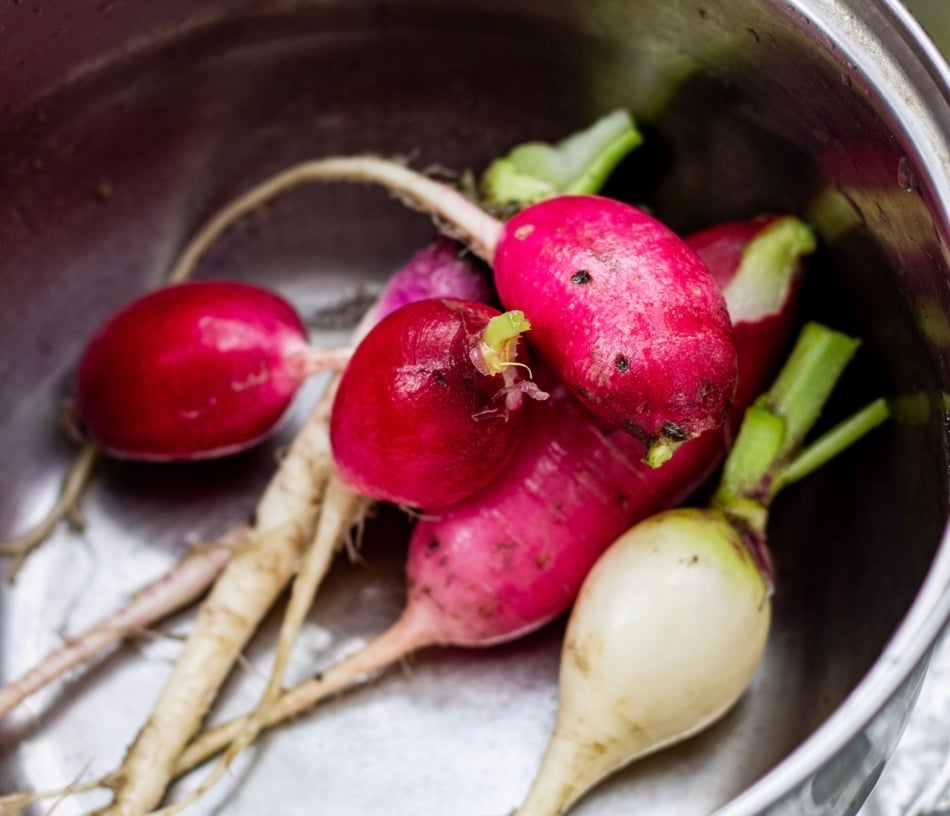
1. Radishes: The Fall Garden Speedsters
If you want almost instant gratification, plant radishes.
Many varieties mature in only 25 to 35 days, making them one of the safest bets for a late-August garden. Cooler weather can also produce crisp, mild roots without the heat-induced bite common in summer radishes.
Best practice: Sow a short row every 7 to 10 days for several weeks rather than planting the whole packet at once.
That simple trick—known as succession planting—can keep fresh vegetables coming instead of producing one giant harvest all at once. Learn How Succession Planting Works
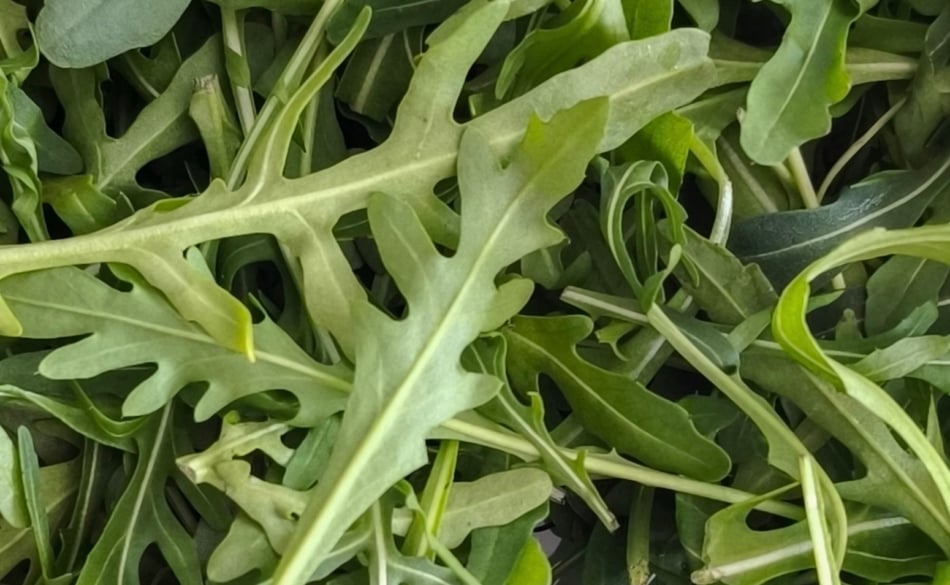
2. Lettuce, Arugula, and Other Leafy Greens
Cooler temperatures mean salad season is making a comeback.
Try:
- Loose-leaf lettuce
- Arugula
- Spinach
- Mustard greens
- Baby kale
- Asian greens
Many can be harvested as baby greens long before they reach full maturity.
Spinach can be fussy about germinating while soil is still hot, so if August temperatures are sizzling, give it a little shade or wait until conditions cool.
Almanac Tip: Don’t obsess over producing full-size heads. Fall greens harvested young are tender, fast, and perfect for salads.
3. Turnips and Beets
These cool-season root crops love autumn.
Plant turnips for both the roots and the greens. Some varieties can be ready in roughly 40 to 50 days.
Beets take a little longer, so gardeners in colder regions should choose quick-maturing varieties or grow them primarily for their nutritious tops.
A light frost may actually improve the flavor of several cool-season vegetables, including beets and kale.
For a much bigger crop-by-crop guide, see our Fall Garden Planting Guide. What To Sow for a Fall Garden
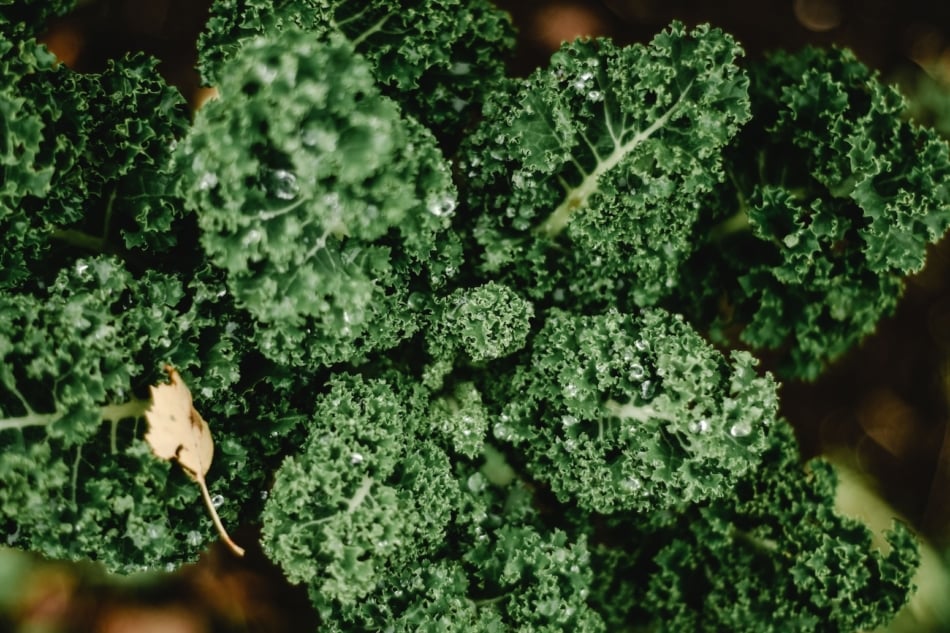
4. Kale: Made for Fall
If one vegetable seems designed for autumn, it’s kale.
Established plants tolerate cool weather remarkably well, and the leaves often become sweeter after chilly nights.
Northern gardeners may be better off buying young kale plants in late August rather than starting from seed. Gardeners farther south still have plenty of time for direct sowing in many areas.
A floating row cover can extend the harvest even longer.
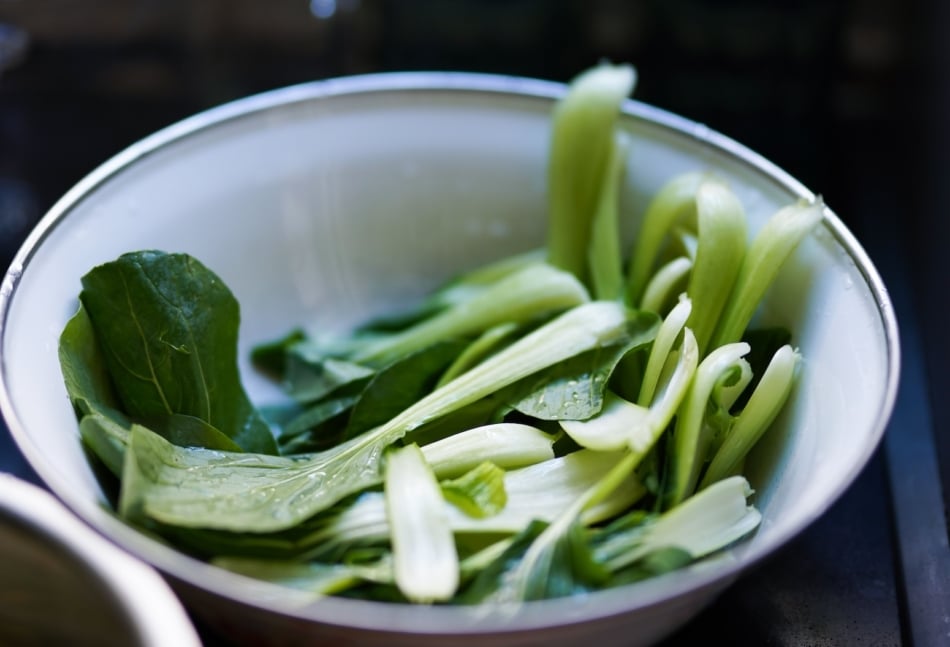
5. Bok Choy and Other Asian Greens
Don’t overlook bok choy, tatsoi, mizuna, and other Asian greens.
They grow quickly, appreciate cooling temperatures, and don’t require a huge amount of garden space.
Baby bok choy varieties are especially useful when the frost clock is ticking.
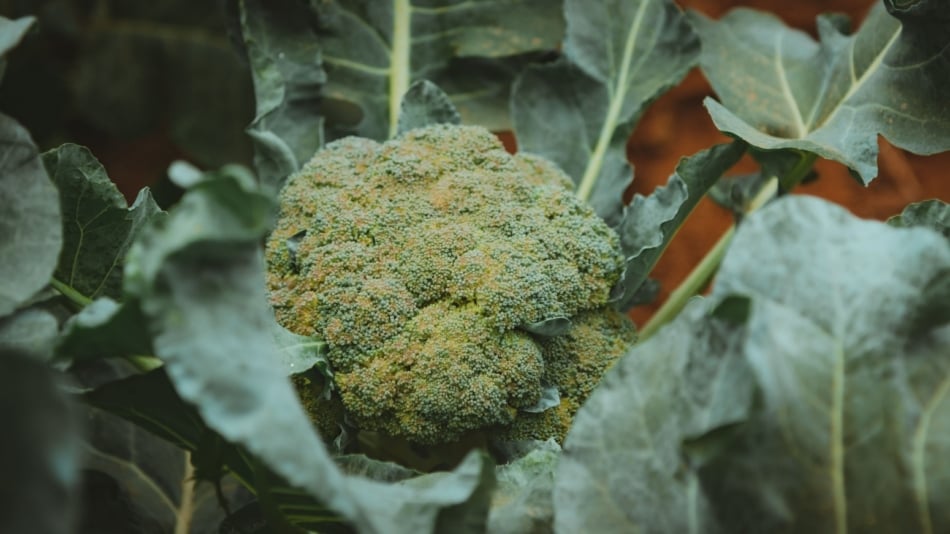
6. Broccoli, Cabbage, and Cauliflower—Use Transplants
Late August can be too late to start slower brassicas from seed in much of the North.
But there’s a shortcut:
Buy transplants.
Garden centers often have broccoli, cabbage, kale, collard, and cauliflower seedlings specifically intended for fall gardens.
Starting with established plants can save several valuable weeks.
Don’t Forget the Flowers!
Your vegetable garden isn’t the only thing that can get a fall refresh.
Cool-season annuals can keep beds, window boxes, and porch containers colorful well after many summer flowers begin looking tired.
Try:
Pansies and Violas
Classic cool-weather flowers that tolerate chilly temperatures remarkably well.
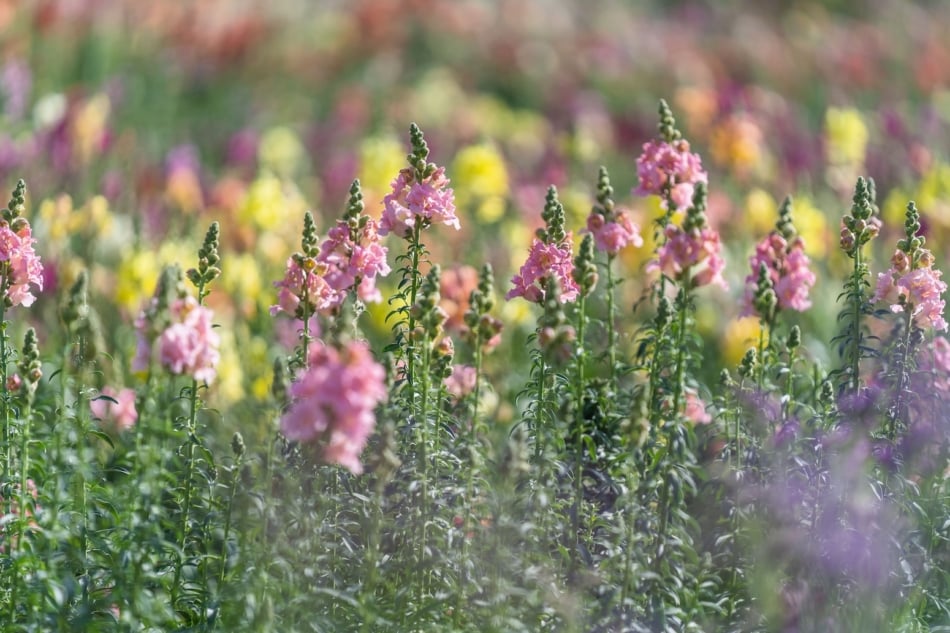
Snapdragons
Snapdragons actually prefer cooler conditions and can continue blooming until a hard freeze. Illinois Extension specifically recommends them for late-summer and fall planting.
Calendula
Cheerful orange and yellow flowers that thrive in cool weather—and the petals are edible.
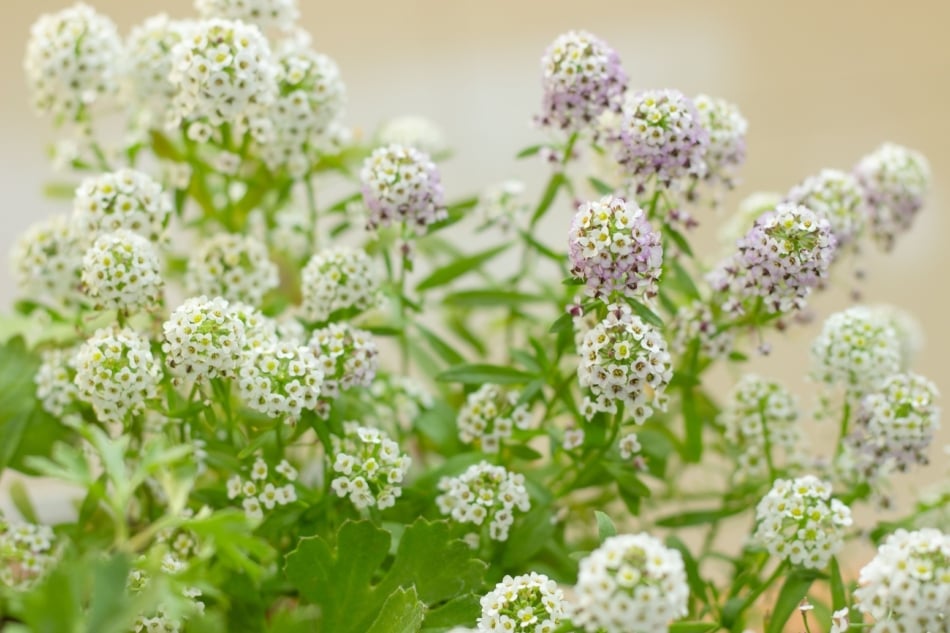
Sweet Alyssum
Low-growing, fragrant, and useful along garden borders or spilling over containers.
Ornamental Kale and Cabbage
Their colors intensify as temperatures drop, making them one of the easiest ways to give a porch or flower bed a distinctly autumn look.
Illinois Extension also lists pansies, snapdragons, alyssum, calendula, and ornamental kale among cold-tolerant annuals useful for extending the gardening season.
Planting by the Moon: What the Almanac Says Right Now
For more than 200 years, Farmers’ Almanac readers have used the Moon as another guide for timing garden chores.
As of August 21, 2026, the Moon is waxing toward the August 28 Full Moon.
But here’s where the Almanac gets more specific.
According to our August 2026 Gardening Calendar:
- August 20–22: Clear beds, cultivate, and prepare soil rather than planting.
- August 23–24: Good days for planting above-ground crops—perfect timing for leafy greens.
- August 25–27: Barren days; concentrate on pests, weeds, and garden cleanup.
- August 28–29: Favorable for transplanting and root crops.
So if you’re reading this today, there’s no need to rush seeds into the ground this minute.
Prepare now. Plant this weekend.
See the complete Farmers’ Almanac Gardening by the Moon Calendar for upcoming planting dates. See the Gardening Calendar
Gardening by the Moon is a traditional Almanac practice rather than a substitute for good horticulture. Your weather, soil conditions, first frost date, and the maturity time printed on the seed packet should always come first.
The Most Important Number: Your First Frost Date
Before sowing anything, look at the “days to maturity” printed on the seed packet.
Then count backward from your average first fall frost.
And give yourself some wiggle room.
Fall crops develop more slowly as temperatures cool and daylight decreases. Virginia Tech Extension recommends adding roughly a two-week “fall factor” when calculating how much growing time remains.
For example:
30-day radish + about 14 extra fall days = roughly 44 days needed before frost.
Your frost date isn’t a guarantee, of course. It’s an average, which is why keeping frost cloth or row covers nearby is always worthwhile.
5 Ways To Get a Better Fall Harvest
- Choose fast-maturing varieties. Every week matters now.
- Keep seeds consistently moist. Late-August soil can dry surprisingly fast.
- Give seedlings afternoon shade during heat waves.
- Use transplants for slower crops such as broccoli and cabbage.
- Keep frost cloth ready. One cold night doesn’t have to end your entire growing season.
Learn what temperatures actually damage garden plants—and how to protect them—with our Farmers’ Almanac Frost Temperature Guide. How To Protect Plants From Frost
One More Harvest Is Waiting
Late August isn’t the end of the gardening season.
In many places, it’s the beginning of Garden Season No. 2.
Clear out a tired cucumber vine. Pull those bolted summer greens. Add a little compost and put that valuable garden space back to work.
A packet of radish seeds today could become a crisp October harvest. A few kale transplants could still be producing when you’re wearing a jacket to pick them.
Summer may be fading—but your garden doesn’t have to.
What are you planting for fall? Tell us in the comments!

- Farmers' Almanac Staff

- Farmers' Almanac Staff
- Farmers' Almanac Staff
- Farmers' Almanac Staff