

January Birth Month: Symbols, Flowers, Birthstones, And Fun Facts
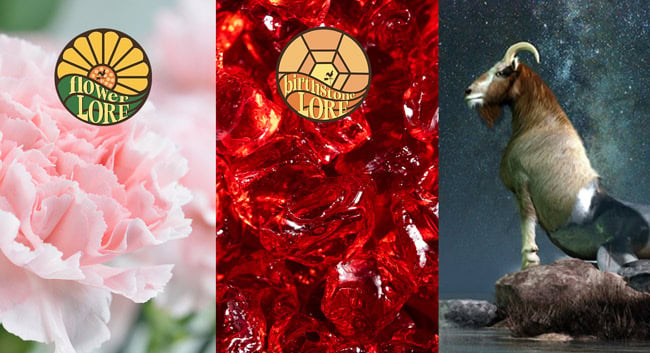
January is named for Janus, the Roman god of doorways, who looked backward and forward at the same time. Fitting, then, that the first month of the year comes packed with symbols meant to mark new beginnings: a deep red garnet, a long-lasting carnation, the howl of the Full Wolf Moon, and two stubbornly opposite zodiac signs sharing the calendar. Below is the Farmers’ Almanac guide to every January birth month symbol, the folklore behind it, and the trivia worth saving for your next pub quiz.
January At A Glance
- Birthstone: Garnet (deep red)
- Birth flowers: Carnation (primary) and snowdrop (secondary)
- Zodiac signs: Capricorn (December 22 to January 19), Aquarius (January 20 to February 18)
- Birth tree: Fir
- Birth bird: Owl, with the snowy owl and northern cardinal also tied to January folklore
- Constellation: Orion, at peak overhead visibility for the Northern Hemisphere
- Full moon: Full Wolf Moon, the first full moon of the year
- Colors: Red, white, and blue
- Roman root: Named for Janus, god of doorways and new beginnings
January Birth Month Symbols
The January birth month carries an unusually full bench of symbols. The carnation stands for unconditional love. The garnet is tied to passion, courage, and faithfulness. Capricorn and Aquarius serve as the month’s zodiac guardians, one steady and earthbound, the other airy and inventive. The wise owl is the bird of the month. Peppermint and fennel head the herbal list. Read on for the folklore behind each one, with an honest note about which beliefs are tradition and which have any scientific footing.

January Birth Month Flower: Carnation
Each birth month has a flower attached to it, and January’s primary bloom is the carnation. The original wild carnation came in shades of pink or pinkish purple. Centuries of breeding by flower farmers have stretched that palette to bright red, deep burgundy, white, yellow, cream, peach, green, and striped or speckled patterns. The flower’s long vase life is part of why it lands on a winter month: it holds up where most cut flowers wilt.
In Christian folklore, red carnations trace back to the Virgin Mary’s tears. One story says the blooms grew where Mary’s tears fell as she watched her son Jesus carry the cross. Another places the first red carnations at the crucifixion itself. Because of that origin story, red carnations are sometimes called “Mary’s flowers” and carry meanings of sadness or a mother’s grief.
The name has a layered origin. “Carnation” may come from the Latin corona, meaning “crown,” because Romans wove the flower into garlands worn at ceremonies. The scientific name Dianthus is Greek for “heavenly flower” or “divine flower.” Some scholars also link “carnation” to the Latin incarnatio, the doctrine of God becoming human, which is why the bloom is occasionally called “God’s flower.”
Greek myth offers a parallel origin. When Aphrodite, the goddess of love, mourned the death of Adonis, the god of beauty and desire, she scattered white carnations across the ground. The petals turned red where his blood fell.
Carnations also pair with Capricorn (December 22 to January 19). The bloom’s reputation for longevity and steadfastness lines up with the qualities Capricorns are known for: endurance and loyalty.
Secondary flower: the snowdrop. The first wildflower to push through frozen ground in many parts of the Northern Hemisphere, the snowdrop is the unofficial second January bloom and a quieter symbol of hope and renewal.
Related: Birth Month Flowers: Plant A Family Garden | Read more about carnation symbolism

January Birthstone: Garnet
The official birthstone for January is red garnet. The word garnet comes from a Latin root meaning “deep red” and “seed,” a nod to the way a polished garnet looks like a pomegranate seed. During the Middle Ages, garnet jewelry was a favorite among European nobility and clergy. The deep red color carried associations with wellness, protection on the road, and safe return from travel.
The stone is sometimes called the “Karma Stone.” The nickname comes from a long-running belief that wearing garnet while doing acts of kindness draws good luck and fortune back to the wearer. Garnets are also linked to trust, loyalty, and compassion. Soldiers in ancient armies carried garnets into battle, hoping the gemstone would speed their recovery if they were wounded.
A note on the lore. Folklore around garnet’s healing power is tradition, not medical advice. It is worth knowing and worth wearing if you love it.
Related: Learn more about garnet | See all birthstones by month | January Birthstone Garnet Necklace
January Colors: Red, White, And Blue
January’s colors sound borrowed from July: red, white, and blue. Dark red echoes the garnet birthstone. Adding a bit of red to your interior during the cold months is an old decorator’s trick for warming up a room. White stands for the blank page of a new year, and the snow on the ground for much of the country. Light blue points to winter sky and shadows on snow drifts.
January Birth Tree: Fir
In the Celtic tree calendar, the fir is the tree tied to January (specifically the period running from late December into mid-January). The fir is an evergreen, holding its needles through winter when most other trees have gone bare. Druidic tradition treated the fir as a symbol of honesty, foresight, and clear sight, the same qualities long projected onto people born in mid-winter. The exact dates and pairings vary across sources; treat the tree calendar as a tradition with multiple competing versions rather than a single fixed system.

Full Wolf Moon
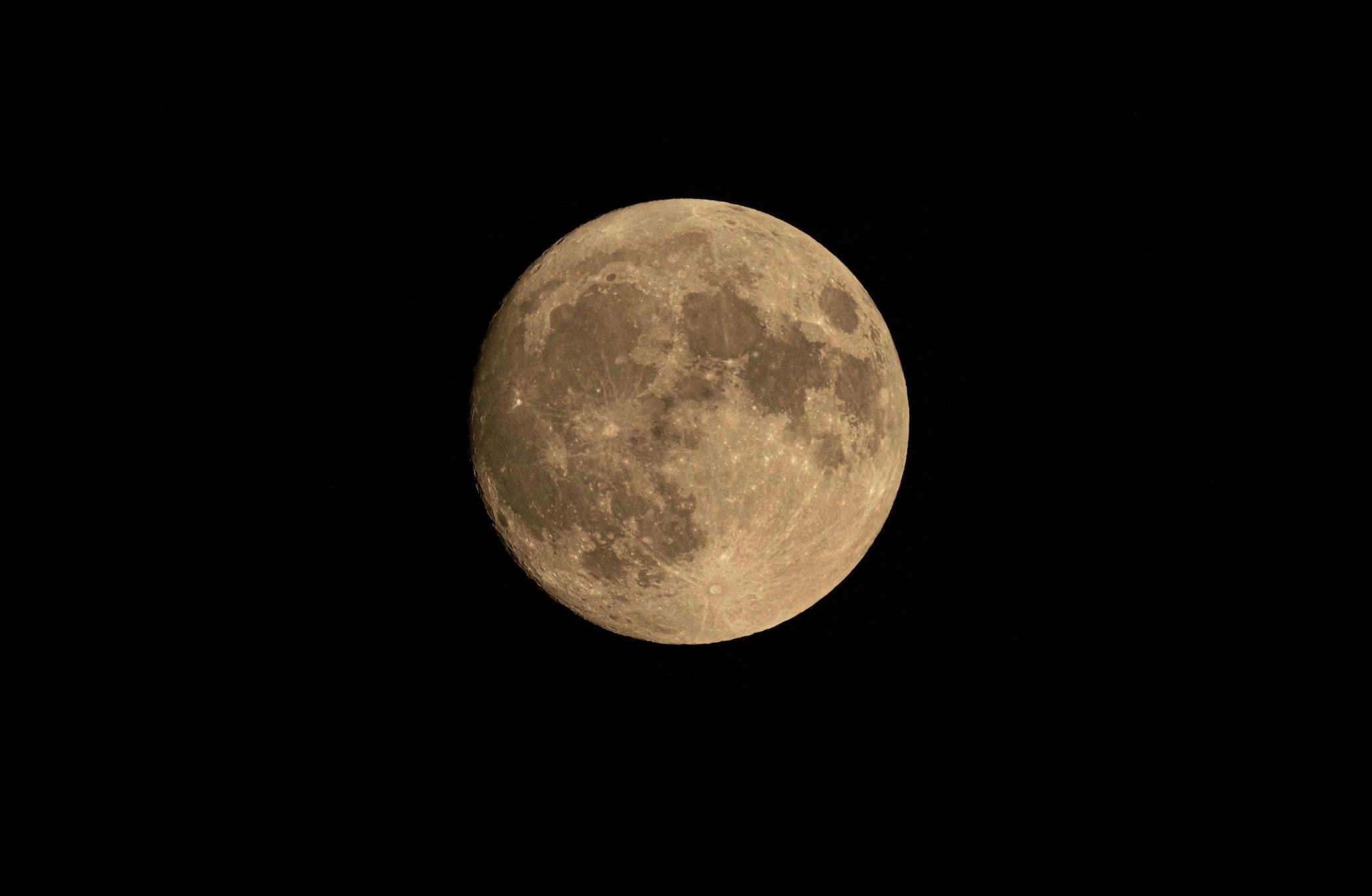
The first full moon of the year is the Full Wolf Moon, named for wolves who howl more during the lean winter months. Wolf Moon is also known as Ice Moon, Snow Moon, and Yule Moon in different traditions. In 2024 the Wolf Moon reached peak illumination Thursday, January 25, at 12:54 P.M. EST. The exact peak time shifts each year, so check the current year’s calendar before stepping outside with a camera.
Related: Learn more about the Full Wolf Moon | Full Moon Dates And Times
Zodiac Signs: Capricorn and Aquarius
January is one of the months that hands itself off mid-cycle. The first nineteen days belong to Capricorn. The rest of the month belongs to Aquarius.

Capricorn (December 22 to January 19)
Capricorn is the last earth sign of the zodiac, represented by the sea-goat: a mythical creature with the body of a goat and the tail of a fish. Capricorns are described as patient, focused, and built for the long haul. They prefer steady work over quick wins and tend to put their energy into projects designed to last.
Capricorns also thrive on challenge and will make real sacrifices to reach a goal. The flip side is a reputation for sternness; rationality can read as emotional distance. Acknowledging the emotional side of life, and balancing ambition against personal life, is the usual advice traditional astrology offers Capricorns.
Related: Learn more about Capricorn | What Is Your Zodiac Sign?
Aquarius (January 20 to February 18)
Despite the “aqua” in the name, Aquarius is the last air sign of the zodiac. Aquarians are represented by the water bearer and described as creative, innovative, and progressive. They can come across as detached because they lead with logic rather than emotion, but the underlying read is more analytical than apathetic. Aquarians value variety in their social circles and tend to form unusual takes on relationships and society.
That inventive streak is the strength and the trap. Aquarians can be remarkably original. They can also be stubborn when challenged. The combination makes them one of the more memorable zodiac signs to live or work with.
Related: Learn more about Aquarius
Honest note on astrology. Zodiac character sketches are a tradition, not a science. They are useful as a conversation starter and a self-reflection prompt, not as a personality test.
January Herbs of the Month
The idea of pairing herbs with zodiac signs comes from a long folk tradition: that an herb’s qualities echo the personality traits associated with a given sign. People who work in astrology and herbalism describe certain plants as carrying energy that supports the strengths or balances the weak spots of each sign.
For January, that means two short herb lists, one for each zodiac sign sharing the month:
- Capricorn herbs (December to January): peppermint, rosemary, tarragon, caraway, chamomile, and marjoram.
- Aquarius herbs (January to February): Queen Anne’s lace, clove, comfrey, rosemary, fennel, violet, and valerian.
Several of these (peppermint, chamomile, fennel) are easy winter pantry herbs whether or not you buy the astrological framing.
January Birth Month Bird: Owl
January’s bird is the owl. People born in January are described as thoughtful, watchful, and quiet, the same qualities long pinned to the owl. In Greek myth, the owl was companion to Athena, the goddess of wisdom and prophecy. The bird’s sharp senses and nocturnal habits made it a natural symbol for knowledge and intuition.
Owls are largely solitary and more active at night than during the day. They have vision and hearing close to unmatched in the animal kingdom, a tall and proud posture, and sharp talons built for hunting. Their diet runs to small mammals, insects, other birds, and in some species, fish. Owls live almost everywhere on Earth, with the obvious exceptions of the polar ice caps and a handful of isolated islands.
Two January birds worth knowing. The snowy owl is the species most associated with January in North America, drifting south from the Arctic in some winters. The northern cardinal is the everyday January bird in the eastern United States, the bright red flash at the feeder against snow.
January fun facts:
- A group of owls is called a “parliament.” The term suggests wisdom, order, and organization, matching the symbolic link between owls and counsel that runs through many cultures.
- Owls can rotate their heads up to 270 degrees, giving them a near-full survey of their surroundings without moving their bodies. The trick is anatomical: extra vertebrae and specialized blood vessels.
Related: 8 Birds That Take The Night Shift | Nine Owl Sounds to Listen For (American Bird Conservancy)
What Does “January” Mean?
January was named for Janus, the Roman god of changes and transitions, doorways, and new beginnings. Janus is usually shown with two faces, one looking to the past and one to the future. Fitting for the first month of the year. Romans gave Janus gifts and made promises on January 1, asking forgiveness for past wrongs and a blessing on the year ahead.
Related: How Did The Months Of The Year Get Their Names?
January fun facts:
- The Latin word janua, meaning “door” or “entryway,” is the root of the English word “janitor.” The job originally meant a gatekeeper or doorkeeper, only later shifting to mean a cleaner.
- January was not always the first month of the Roman year. The old Roman calendar started in March. Only in 153 BCE did January take the lead position, which matched the Janus symbolism perfectly.
January Calendar
The earliest Roman calendar had only ten months, starting in March to line up with the spring equinox and the start of the planting year. January and February did not exist as named months until around 700 BCE, when Roman king Numa Pompilius added them to cover the dead of winter. January followed December and had only 29 days.
In 153 BCE, January moved to the first slot of the year, displacing March. Centuries later, Julius Caesar saw the calendar had drifted off the solar year and added ten days plus a leap day every four years, stretching January to 31 days. The Julian calendar still drifted slowly, which is why Pope Gregory XIII introduced the more accurate Gregorian calendar in 1582 (often misdated 1852 in older sources). The Gregorian calendar is the one most of the world still uses, tied to Earth’s orbit around the sun with leap years correcting the gap.
January fun facts:
- Switching to the Gregorian calendar required correcting a ten-day drift from the Julian system. The fix was blunt and effective: people went to sleep on October 4 and woke up on October 15. The dates in between simply did not exist that year.
- Several countries refused to adopt the Gregorian calendar right away. For decades, neighboring nations used different dates, which makes researching historical records from the transition period genuinely confusing. Some places held out for hundreds of years.
Reusing An Old Calendar
Calendars repeat. A 2023 calendar can be reused in 2034, 2045, 2051, 2062, 2073, and 2079. If you do not want to wait, give the calendar a second life as art: frame the photos for the wall, cut them into greeting cards or postcards, turn them into gift tags, or hand them to kids for craft projects.
January fun fact:
- Ethiopia is the only country in the world that runs on a 13-month calendar. While most of the world adopted the Gregorian system, Ethiopia kept a Julian-rooted calendar tied to its traditional and spiritual framework. The 13th month, Pagume, runs five days in a typical year and six in a leap year. It serves as a time for settling debts, finishing plans, and reflecting before the new cycle begins.
January Weather Lore
January is usually the coldest month of the year across most of the United States and Canada, wrapping the country in a long stretch of short days. Our dependable long-range weather predictions are the tool of choice for planning around it.
Folklore is the other tool, the one that came first. January is loaded with old weather sayings, some of which line up loosely with modern meteorology and some of which are pure tradition. Treat the rhymes as stories worth knowing, not forecasts worth trusting.
The first twelve days. One old rule says the weather on each of the first twelve days of January predicts the weather for the corresponding month: January 1 forecasts January, January 2 forecasts February, and so on. If the rule holds, New Year’s Day weather sets the tone for the rest of the month.
Related: How To Predict The Weather With An Onion
New Year’s wind. Folklore looks to the wind at sunrise on New Year’s Day:
- Wind from the south means a prosperous year.
- Wind from the north warns of bad weather to come.
- Wind from the east brings famine and calamity.
- Wind from the west brings plenty of milk and fish.
Related: Snow Myths And Odd Facts
A winter thunderstorm is called a thundersnow. They are rare, but they happen. Folklore says that if it thunders in January, snow will follow seven days later. Another long-running rhyme: fog in January brings a wet spring.

January Night Sky
January is one of the best stargazing months of the year. The sky is crisp, the constellations are sharp, and the year’s first major meteor shower lands inside the first week. The constellation Orion reaches its peak overhead position in early January for Northern Hemisphere viewers, his three-star belt one of the easiest patterns in the sky to find. Look south after dinner and you will not miss him.
Catch A Shooting Star: The Quadrantid Meteor Shower
Kick off the new year with a light show. The Quadrantid meteor shower, the first major shower of the year, peaks in early January (typically the night of January 3 into the morning of January 4). Under dark skies and clear conditions, the Quadrantids can produce between 60 and 200 shooting stars per hour at peak. The peak is short, often only a few hours, so timing matters. Bundle up, find a dark spot, and give your eyes 20 minutes to adjust.
Related: Monthly Night Sky Guides for Stargazers
Gardening: Start Planning
Spring feels far away in January, but the timing is right to plan. Order seed catalogs, sketch your beds, check what overwintered, and pick the varieties you want to start from seed under lights. The hard outdoor work is still six to twelve weeks out, depending on your zone.
Related: Don’t Wait! Plan Your Garden Now | Gardening By The Moon Calendar
Recipes For January
Stay warm with these Farmers’ Almanac winter favorites, all built around root vegetables, hearty greens, and slow-simmered broths:
- Warm Up With Potato Leek Soup
- Potato Kale Soup
- Roasted Pumpkin, Carrot, and Turmeric Soup
January Trivia
- Alaska officially became the 49th state on January 3, 1959.
- Ellis Island opened on January 1, 1892, eventually processing over 20 million immigrants into the United States.
- President Abraham Lincoln issued the Emancipation Proclamation on January 1, 1863.
- January’s name in Old English was Wulf-monath, or “wolf month,” a separate tradition that arrives at the same Wolf Moon naming Native American tribes used.
- The Roman emperor Augustus is the namesake of August, but Janus, January’s namesake, was never an emperor; he was a god of beginnings with no human counterpart in the Roman pantheon.

January Birth Month FAQ
What is January’s birth flower?
January’s primary birth flower is the carnation, which symbolizes unconditional love and faithfulness. The snowdrop is the unofficial second January flower, often the first wildflower to push through frozen ground in the Northern Hemisphere.
Why is garnet January’s birthstone?
Garnet has been linked to January since the Middle Ages, when deep red garnet jewelry was a favorite among European nobility and clergy. The word itself comes from a Latin root meaning “deep red” and “seed,” after the pomegranate seed it resembles. The pairing with January is tradition, not a strict rule: some older lists name alternative stones, but garnet is the modern standard.
What zodiac signs fall in January?
Two zodiac signs share January: Capricorn covers December 22 through January 19, and Aquarius covers January 20 through February 18. Capricorn is the last earth sign of the zodiac; Aquarius is the last air sign.
What is January’s birth bird?
The owl is the traditional bird of January, tied to qualities of wisdom and intuition. In North America, the snowy owl and northern cardinal are also strongly associated with the month: the snowy owl drifts south from the Arctic in some winters, and the cardinal is the bright red flash at most eastern bird feeders during snow.
What is the January full moon called?
The first full moon of the year is the Full Wolf Moon, named for the wolves who howl more during winter. The same moon is also called the Ice Moon, Snow Moon, or Yule Moon in different traditions. Check the current year’s calendar for the exact peak time.
What does the name January mean?
January is named for Janus, the Roman god of doorways, transitions, and new beginnings. Janus is usually shown with two faces, one looking to the past and one to the future. The name reflects January’s role as the gateway month of the year.
Is the folklore about gemstones and zodiac signs scientifically accurate?
No. Birthstone healing properties, zodiac character traits, and astrological herb pairings are traditions, not science. They are worth knowing as folklore and worth celebrating if they bring meaning to your life, but treat them as story rather than medical or psychological advice.
What constellation is most visible in January?
Orion is at peak overhead visibility for the Northern Hemisphere in early January. His three-star belt is one of the easiest patterns to spot in the night sky. The constellation also serves as a useful pointer to nearby stars and clusters, including Sirius and the Pleiades.
Join The Discussion
Were you born in January?
Which January symbol means the most to you?
Do you know a January fun fact, symbol, or piece of folklore we missed?
Share it in the comments below.

- Farmers' Almanac Staff

- Farmers' Almanac Staff
- Farmers' Almanac Staff
- Farmers' Almanac Staff




THIS IS A HISTORICAL COMMENT. I am a celebrity aka Taylor swift and I like farms