Mars Meets the Seven Sisters: The June 28, 2026 Pleiades Conjunction Explained

Quick Reference: Mars and the Pleiades, June 28, 2026
- Date of event: Sunday, June 28, 2026 (predawn sky).
- Pairing: the planet Mars passing close to the Pleiades star cluster (M45), also called the Seven Sisters.
- Direction: low in the eastern sky, about 60 to 90 minutes before sunrise.
- Best view: naked eye under dark skies; binoculars fit both objects in the same field of view.
- Next close pass: Mars is not expected to pass this close to the Pleiades again until 2034 (dates published closer to the event by NASA and the U.S. Naval Observatory).
Early risers who set an alarm on Sunday, June 28, 2026 got one of the summer’s most photogenic sky pairings for free. In the hour or so before sunrise, the planet Mars drifted close to the Pleiades star cluster (also known as the Seven Sisters or Messier 45), low in the eastern sky. The Red Planet’s warm gold light and the delicate blue-white smudge of the cluster fit inside the same pair of binoculars, and many observers picked out both with the unaided eye.
This page is now the archive of that morning, and a plain-English explainer for anyone who missed it or wants to plan for the next close meeting. Below you will find what happened, how to interpret Mars-Pleiades conjunctions in general, why they matter, and a short FAQ.
When and Where to Look (June 28, 2026)
- Date: Sunday, June 28, 2026
- Time: About 60 to 90 minutes before sunrise (local time)
- Direction: Low in the eastern sky
- Best viewing: Binoculars gave the most impressive view, but the pairing was visible without a telescope under clear skies. Under skies rated Bortle Class 4 or better, the naked eye picked up both objects easily.
The event was described in the Farmers’ Almanac at the time as one of the easiest and most rewarding skywatching moments of the summer, and observer photos flooded in over the following days.
Why a Mars-Pleiades Conjunction Matters
A conjunction is a sky-geometry moment when two objects appear close together from Earth’s point of view. The two are not physically near each other. Mars is a rocky neighbor about 4 to 22 light minutes away depending on its orbital position, while the Pleiades sit roughly 444 light years from Earth (per NASA’s Messier catalog for M45). The alignment is a line-of-sight coincidence, which is exactly what makes it possible for a backyard observer with no equipment to appreciate.
Mars pairs with the Pleiades every couple of years as it moves along the ecliptic, but “close pass” conjunctions inside about 3 degrees are less frequent. The U.S. Naval Observatory Astronomical Applications publishes precise angular separations for planets and named stars, and NASA’s What’s Up series flags the noteworthy ones in its monthly briefings. When the Farmers’ Almanac cites a next close pass, we cross reference these sources rather than run our own ephemeris.
Mars, the Pleiades, and Sky Folklore
The Pleiades appear in the folk calendars of dozens of cultures. Ancient Greek farmers used the cluster’s rising to mark the beginning of the sailing season and its setting to mark the start of plowing. In North America, Hopi and Cherokee traditions treat the Pleiades as sisters, and their morning appearance in late autumn coincided with maize harvest markers. Mars, always a wanderer, has been named the Red Star, the war star, and a herald of change across nearly every observing culture on record.
When these two objects share the sky at dawn, the moment sits inside a rich folk tradition that predates modern astronomy by thousands of years, useful context for teachers and families who want the story alongside the star chart.
How to See the Next Close Pass
The original event alert noted that Mars is not expected to pass this close to the Pleiades again until 2034. That figure is drawn from ephemeris data available in mid 2026. For the exact date, angular separation, and best viewing time, check the U.S. Naval Observatory and NASA closer to the event, since forecast tables get refined as the date approaches. The Farmers’ Almanac will publish an update when NASA confirms the window.
General planning tips that apply to any Mars-Pleiades conjunction:
- Pick a clear morning with the eastern horizon free of trees or buildings.
- Get out about 60 to 90 minutes before local sunrise; twilight erases the Pleiades quickly as sunrise nears.
- Bring binoculars (7×35 or 10×50 are ideal). A tripod is optional but helps for photos.
- Give your eyes 10 minutes to dark adapt. Skip white phone screens; use red-light mode.
- If skies are hazy, wait until Mars is at least 15 degrees above the horizon for a cleaner view.
Notes for Photographers
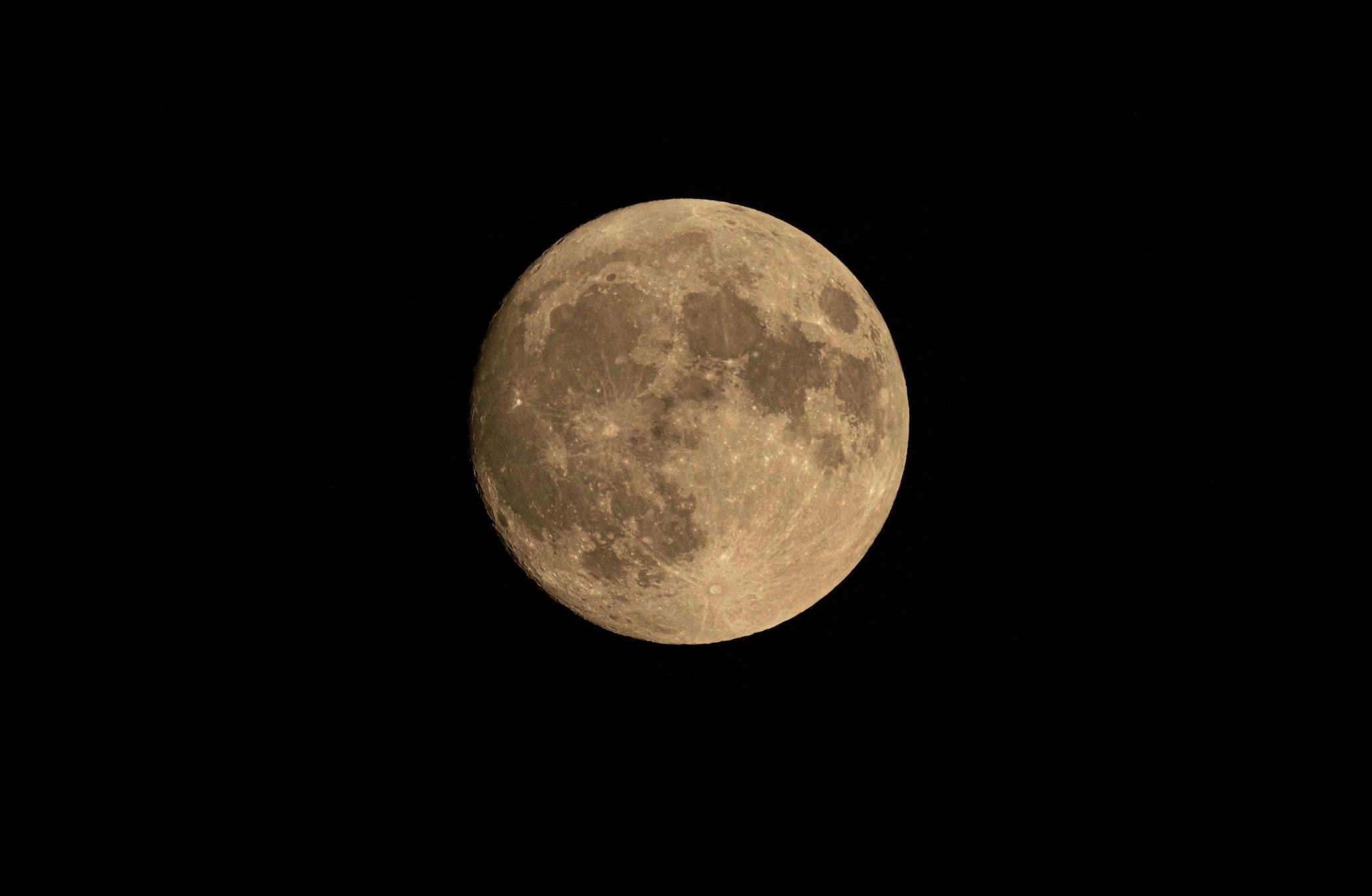
For a static shot, a modern mirrorless or DSLR with a 50mm to 135mm lens on a small tripod is enough. Try ISO 800 to 1600, an aperture of f/2.8 to f/4, and 4 to 8 second exposures depending on how bright twilight has become. A smartphone in Night mode with a mini tripod also works for wide shots that include the horizon; the Pleiades will look like a faint blue smudge next to Mars in the final frame.

Mars and the Pleiades FAQ
What is the Pleiades star cluster?
The Pleiades, also called Messier 45 or the Seven Sisters, is an open cluster of hot young blue stars roughly 444 light years from Earth, per NASA’s Hubble Messier catalog. Six or seven of its brightest members are visible to the unaided eye on a dark night.
Why does Mars look reddish next to the Pleiades?
Iron-rich dust on the Martian surface reflects sunlight with a warm orange-red tint. Alongside the Pleiades’ cool blue-white glow, the color contrast is one of the more striking pairings the naked eye can pick out.
When is the next Mars-Pleiades conjunction?
The June 28, 2026 event was flagged at the time as an unusually close pass, with the next one not expected until 2034. For precise dates and angular separations closer to the event, check the U.S. Naval Observatory and NASA’s What’s Up briefings. The Farmers’ Almanac will confirm the window when they publish.
Do I need a telescope?
No. Under clear skies, both Mars and the Pleiades are naked-eye objects. Binoculars in the 7×35 to 10×50 range are enough to place them in the same field of view. A telescope will resolve individual Pleiades stars beautifully but is not required.
What time exactly should I be outside?
Aim for 60 to 90 minutes before local sunrise. Any earlier and the pair sits below the horizon; any later and twilight washes the Pleiades out. Local sunrise times are on the Farmers’ Almanac calendar for your zip code.
Is this related to astrology?
No. This is line-of-sight astronomy, not fortune telling. Conjunctions have no measured effect on Earth events; they are a visual coincidence caused by planetary orbits and Earth’s viewing angle. Folklore has attached meaning to them for millennia, and that history is worth preserving, but the science is neutral.
If you set your alarm for June 28, 2026 and caught the pairing, thank you for sharing your photos with the Farmers’ Almanac community. If you missed it, keep the next Mars-Pleiades close pass on your planning list, we will publish an updated alert once NASA and USNO confirm the date.

- Tim Konrad

- Tim Konrad
- Tim Konrad
- Tim Konrad